Marine Engine Oil Analysis: A Guide for Fleet Managers
Integrating Oil Analysis into Fleet Maintenance Operations
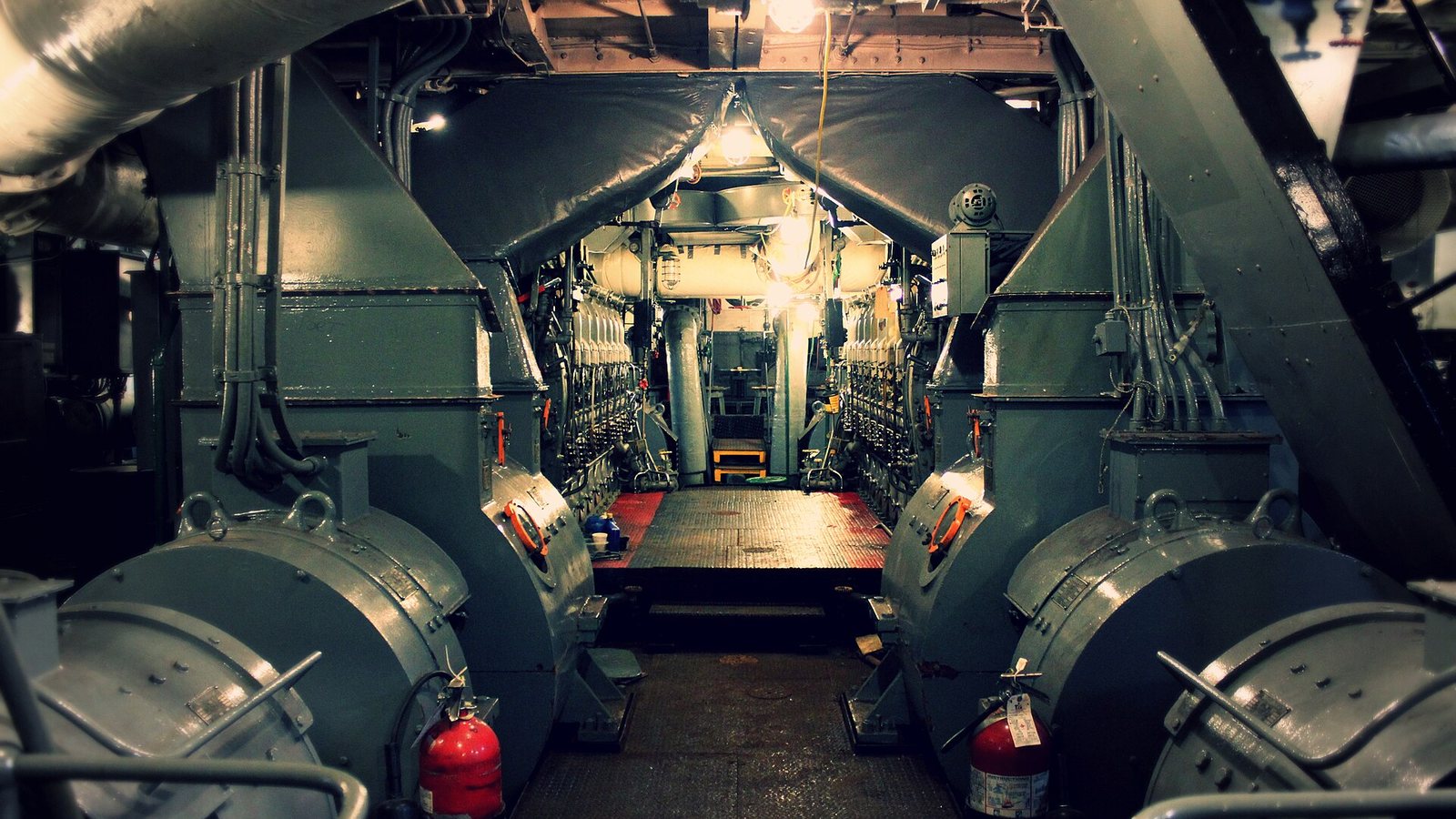
For ship superintendents and fleet managers, engine oil is more than a lubricant; it is a primary diagnostic medium. A comprehensive Used Oil Analysis (UOA) program provides a window into the internal health of high-speed propulsion engines and medium-speed auxiliary generators without the need for invasive inspections.
Implementing a systematic approach to oil analysis allows for the transition from reactive to predictive maintenance, significantly reducing the risk of catastrophic engine failure and optimizing Total Cost of Ownership (TCO) across the fleet.
Key Parameters to Monitor
To effectively manage a fleet, managers must look beyond the basic 'pass/fail' status of a lab report. Focus on the following metrics to identify specific mechanical issues:
* Viscosity at 40°C and 100°C: Variations indicate fuel dilution, oxidation, or the accidental mixing of different lubricant grades.
* Total Base Number (TBN): Reflects the oil's ability to neutralize acidic combustion byproducts. A sharp drop suggests poor fuel quality or excessive blow-by.
* Wear Metals (Elemental Analysis):
* Iron (Fe): Indicates cylinder liner, gear, or crankshaft wear.
* Copper (Cu): Suggests wear in thrust bearings, bushings, or oil cooler leaching.
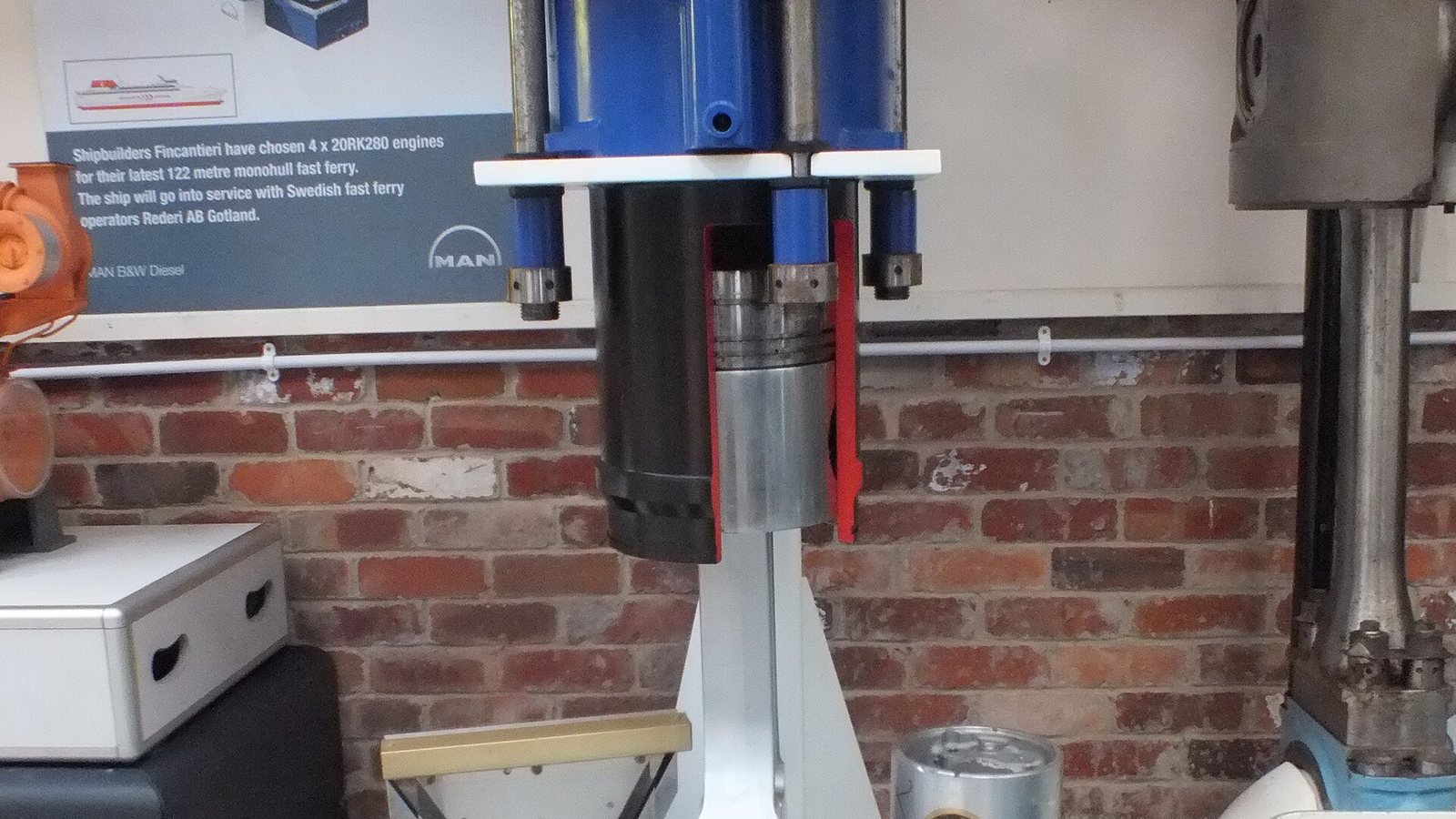
* Chromium (Cr): Typically points to piston ring wear.
* Insolubles: Alerts you to combustion efficiency and the state of your filtration system.
Recommended Sampling Intervals
Consistency is the foundation of trend analysis. While specific OEM guidelines should always be followed, the following intervals represent industry best practices for marine applications:
Always draw samples while the engine is at operating temperature using a dedicated sampling valve to ensure the fluid is representative of the circulating oil.
Interpreting Common Failure Patterns
When reviewing reports from your fleet, watch for these specific indicators that require immediate intervention:
* Sodium and Magnesium Increase: This is a hallmark of seawater contamination, often originating from a leaking charge air cooler or a failing sea water pump seal. Immediate inspection of the cooling circuit is required.
* Low Flash Point + Low Viscosity: This combination strongly indicates fuel dilution. Check the fuel injection pumps and injectors (e.g., nozzle part numbers such as those found in MAN or Wärtsilä fuel systems) for leaks or poor atomization.
* High Silicon Levels: This usually indicates 'dirt' or dust entering the system, suggesting a breach in the air filtration system or a contaminated oil top-up procedure.
The Critical Role of Genuine Filtration and Parts
Oil analysis data often reveals the hidden cost of using non-genuine aftermarket filters. While a generic filter may fit the housing, it often lacks the structural integrity or micron rating required for high-pressure marine environments.
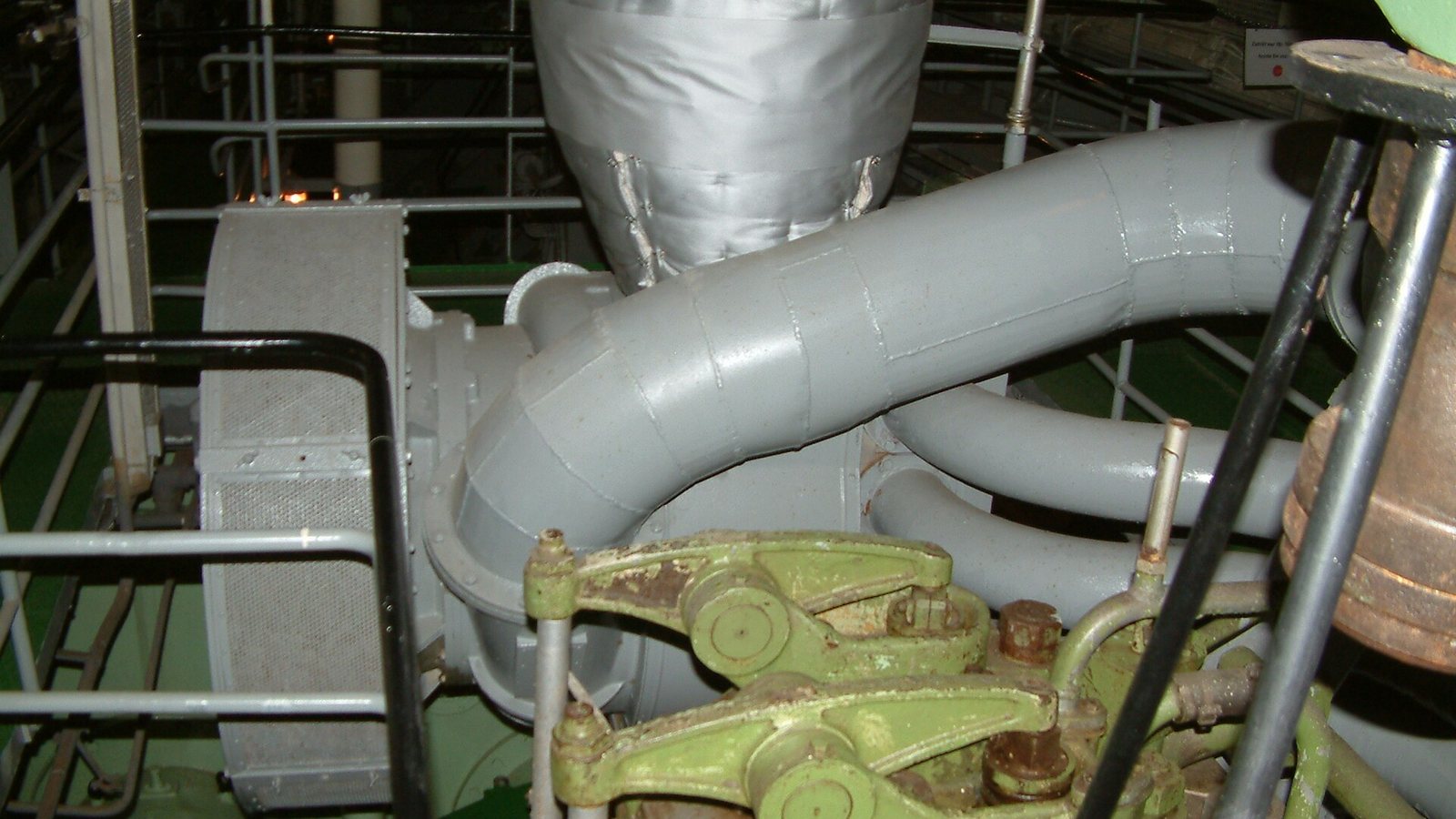
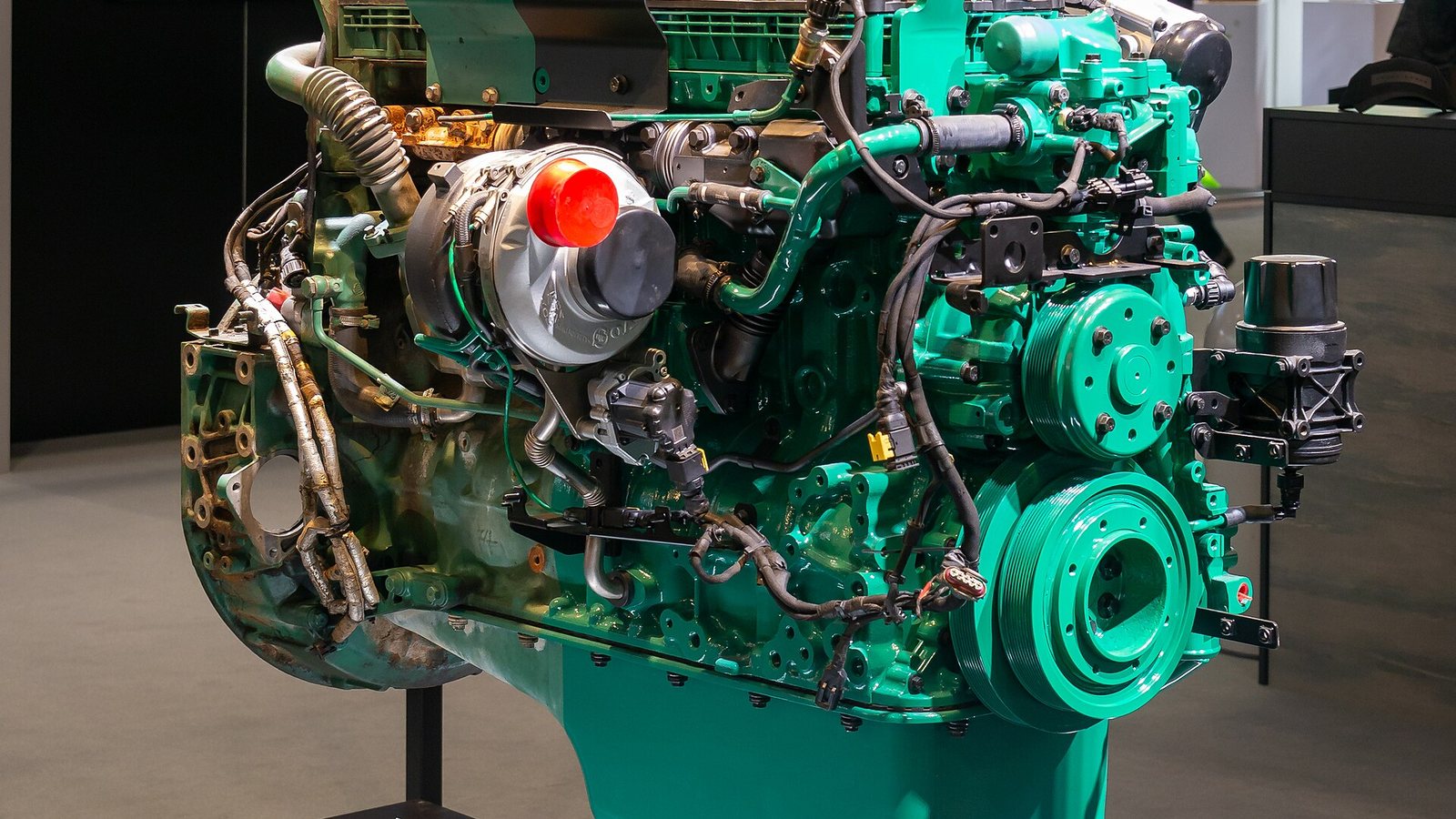
Using genuine parts, such as OEM-spec oil filter elements (e.g., standard elements like Perkins 2654407 or Volvo Penta 21707133), ensures that the bypass valves operate at the correct pressure and that the filter media can handle symbols of high soot loading. High-quality filtration extends the life of the lubricant and protects sensitive components like turbocharger bearings, which are the first to fail when oil quality degrades.
Actionable Maintenance Strategy for Managers
To move from data to action, fleet managers should implement a standardized 'Red-Amber-Green' reporting system.
* Green (Normal): Continue current interval.
* Amber (Cautionary): Increase sampling frequency to half-intervals. Check filtration components.
* Red (Critical): Immediate resample to confirm results. If confirmed, schedule an out-of-service inspection and prepare for potential component replacement to avoid a 'dead ship' scenario.
By centralizing these reports, technical departments can identify recurring issues across sister vessels, allowing for fleet-wide technical bulletins or targeted training for crew members regarding oil handling and storage.
Partner with MarineLink Solutions
Optimizing your fleet's mechanical reliability requires more than just data; it requires the right parts and technical expertise. At MarineLink Solutions, we provide high-quality marine engine components and filtration systems designed to keep your oil clean and your engines running at peak efficiency.
Contact MarineLink Solutions today to discuss how we can support your technical department with reliable parts supply and maintenance insights tailored to your specific fleet requirements.
Need Spare Parts?
MarineLink Solutions supplies genuine parts for all major marine engine brands. Contact us for a fast, competitive quote.
Request a Quote