10 Essential Marine Engine Maintenance Tips to Reduce Downtime
Keeping a marine engine in top condition is not just about performance — it's about safety, fuel efficiency, and avoiding costly unplanned downtime. Whether you operate a Wärtsilä 6L32, a Caterpillar 3516, or a Cummins KTA50, the fundamentals of preventive maintenance remain the same.
1. Regular Oil Analysis
Oil analysis is one of the most cost-effective maintenance tools available. By regularly sampling and testing your engine oil, you can detect early signs of wear, contamination, and degradation before they lead to catastrophic failures. We recommend testing every 250 running hours.
2. Fuel System Inspection
Fuel injectors are the heart of your diesel engine's combustion process. Worn or clogged injectors lead to poor fuel atomisation, increased emissions, and reduced power output. Inspect and test injectors at manufacturer-recommended intervals, and always use genuine or OEM-quality replacement parts.
3. Cooling System Maintenance
Overheating is one of the leading causes of marine engine failure. Regularly check coolant levels, inspect hoses and clamps, clean heat exchangers, and test thermostats. Replace coolant according to the manufacturer's schedule — typically every 2,000–4,000 running hours.
4. Turbocharger Care
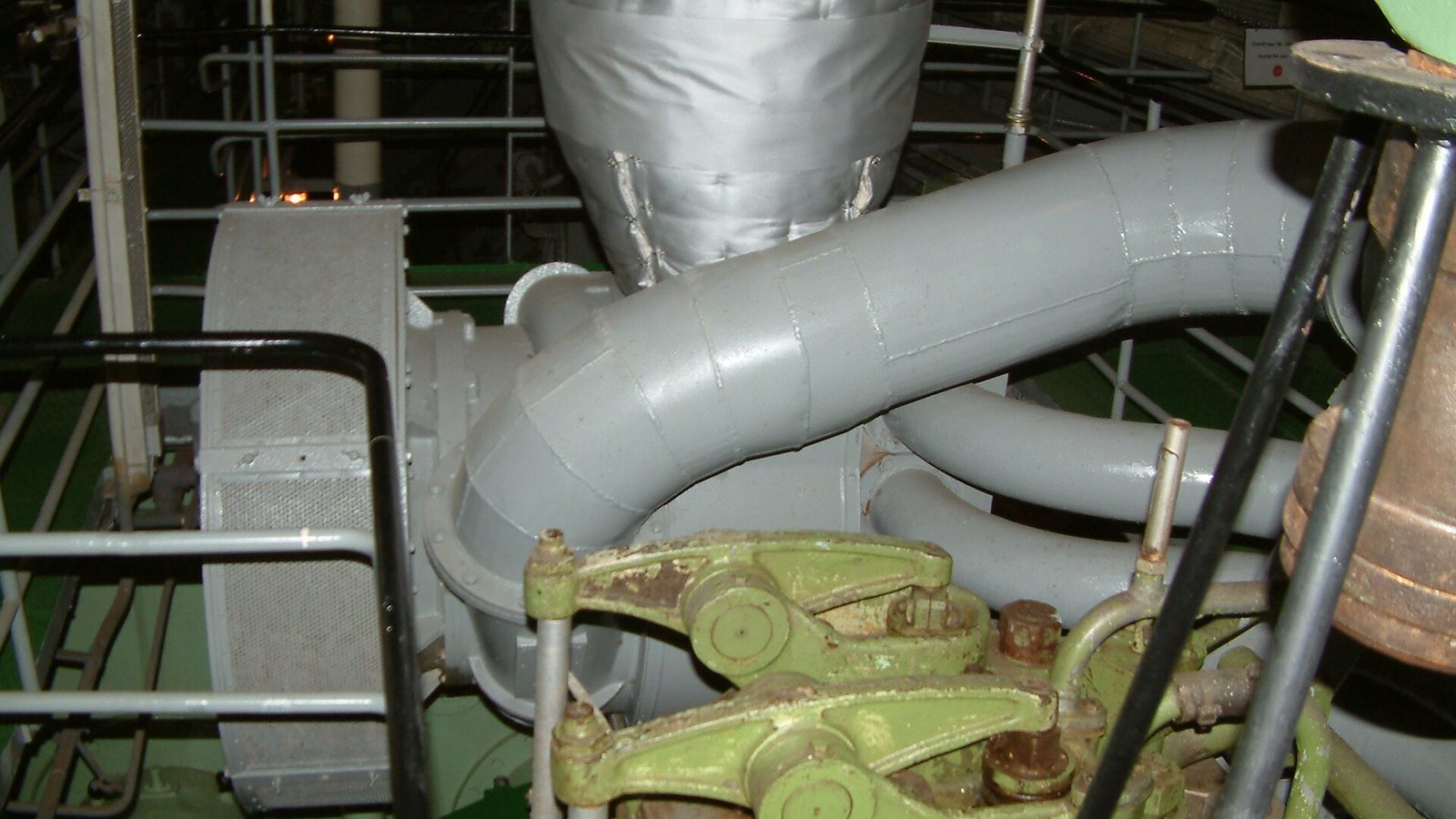
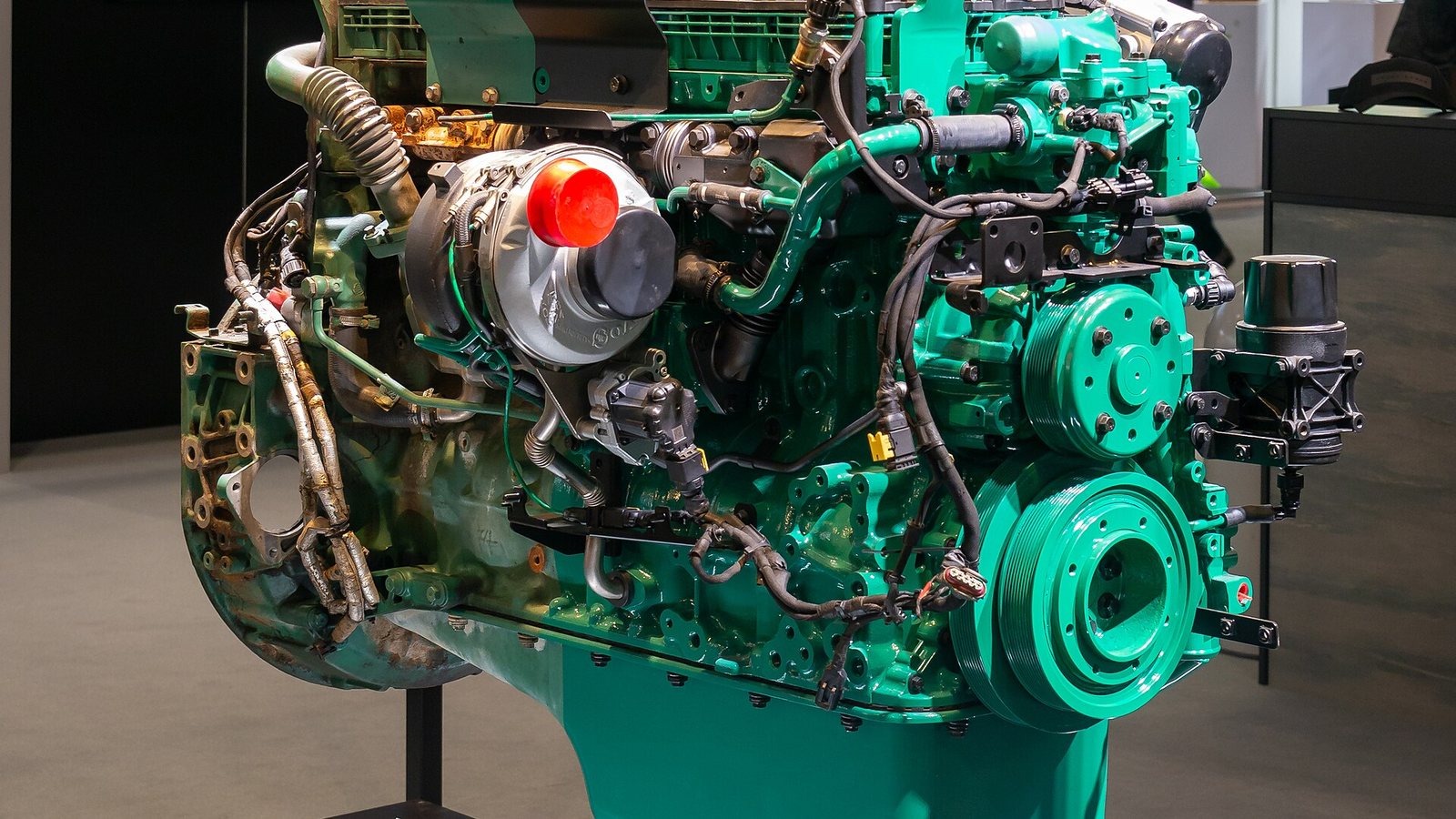
Turbochargers operate at extreme temperatures and speeds. Listen for unusual noises, check for shaft play, and inspect compressor and turbine wheels for damage. A turbocharger failure can cause significant collateral damage to the engine if not caught early.
5. Air Filtration
Clean air intake is essential for efficient combustion. In marine environments, salt-laden air can accelerate filter degradation. Inspect and replace air filters regularly, and ensure intake ducting is sealed and free from leaks.
6. Exhaust System Checks
Monitor exhaust temperatures across all cylinders. Significant temperature deviations can indicate injection timing issues, worn components, or air supply problems. Regular exhaust gas analysis helps maintain compliance with IMO emission regulations.
7. Vibration Monitoring
Abnormal vibration often signals misalignment, bearing wear, or imbalance. Periodic vibration analysis can identify developing problems well before they cause a breakdown. This is particularly important for engines driving generators or propulsion systems.
8. Electrical System Inspection
Corrosion is the enemy of marine electrical systems. Regularly inspect wiring, connectors, sensors, and control panels. Ensure all safety shutdown systems and alarms are tested and functioning correctly.
9. Spare Parts Inventory
Maintain a well-stocked inventory of critical spare parts. Having genuine filters, gaskets, belts, and injector components on board can mean the difference between a quick repair and days of waiting in port. MarineLink Solutions can help you build a tailored spare parts package for your engine type.
10. Documented Maintenance Records
Keep detailed logs of all maintenance activities, part replacements, and operating hours. This not only helps with warranty claims and regulatory compliance but also provides valuable data for predicting future maintenance needs.
At MarineLink Solutions, we understand that reliable parts supply is a critical link in your maintenance chain. Contact us for genuine spare parts for all major marine engine brands — delivered fast, anywhere in the world.
Need Spare Parts?
MarineLink Solutions supplies genuine parts for all major marine engine brands. Contact us for a fast, competitive quote.
Request a Quote