The cooling system is one of the most critical yet often overlooked systems on a marine engine. Overheating can cause irreversible damage to cylinder liners, pistons, cylinder heads, and bearings — all expensive components that require time-consuming replacement. A structured cooling system maintenance programme is essential for every vessel operator.
Most marine diesel engines use a two-circuit cooling system:
High-temperature (HT) circuit — Circulates fresh water (coolant) through the engine block, cylinder heads, and turbocharger. Temperature maintained at 80–95°C.Low-temperature (LT) circuit — Cools the HT circuit via a central cooler, and also cools charge air, lube oil, and sometimes fuel.Sea water circuit — Sea water (raw water) provides the ultimate heat sink, circulated by a sea water pump through the central cooler and directly through some heat exchangers.**Thermostats:**
Sticking open → engine runs cool, poor fuel economy, increased emissionsSticking closed → overheating, potential head gasket failureReplace at every major service interval regardless of apparent condition**Water Pump Impellers (sea water side):**
Rubber impellers degrade from heat and salt exposureInspect every 1,000–2,000 hours; replace every 2,000–4,000 hoursA failed impeller can cause rapid overheating and catastrophic engine damage**Heat Exchangers and Coolers:**
Scale buildup on water side reduces heat transfer efficiencyChemical descaling every 4,000–8,000 hours or as indicated by performanceZincs (sacrificial anodes) in sea water coolers must be replaced regularly**Coolant Quality:**
Depleted corrosion inhibitors cause internal corrosion and scaleTest coolant annually; replace every 4,000 hours or per manufacturer scheduleUse only approved coolant types for your engineMarineLink Solutions recommends keeping the following on board:
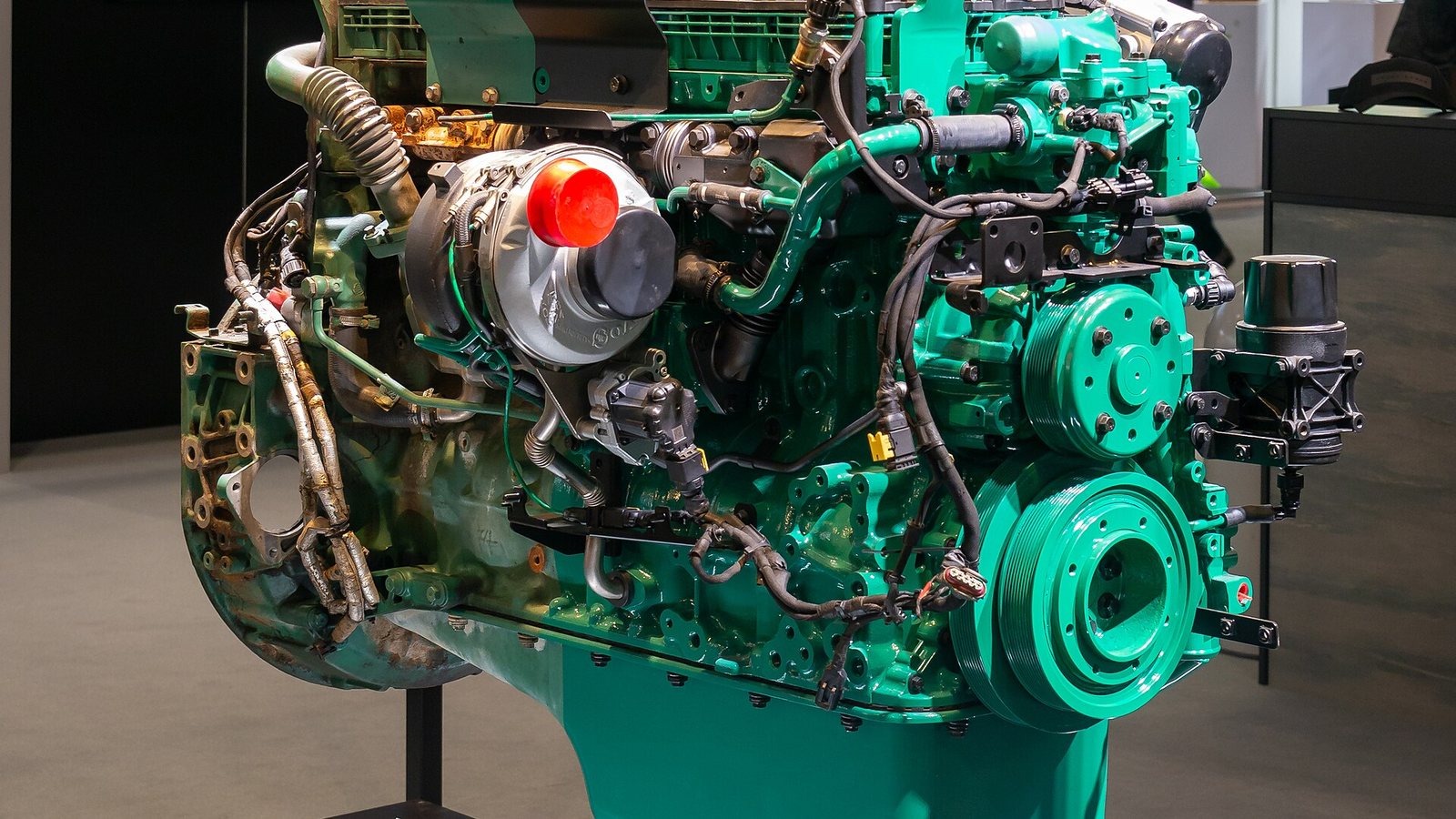
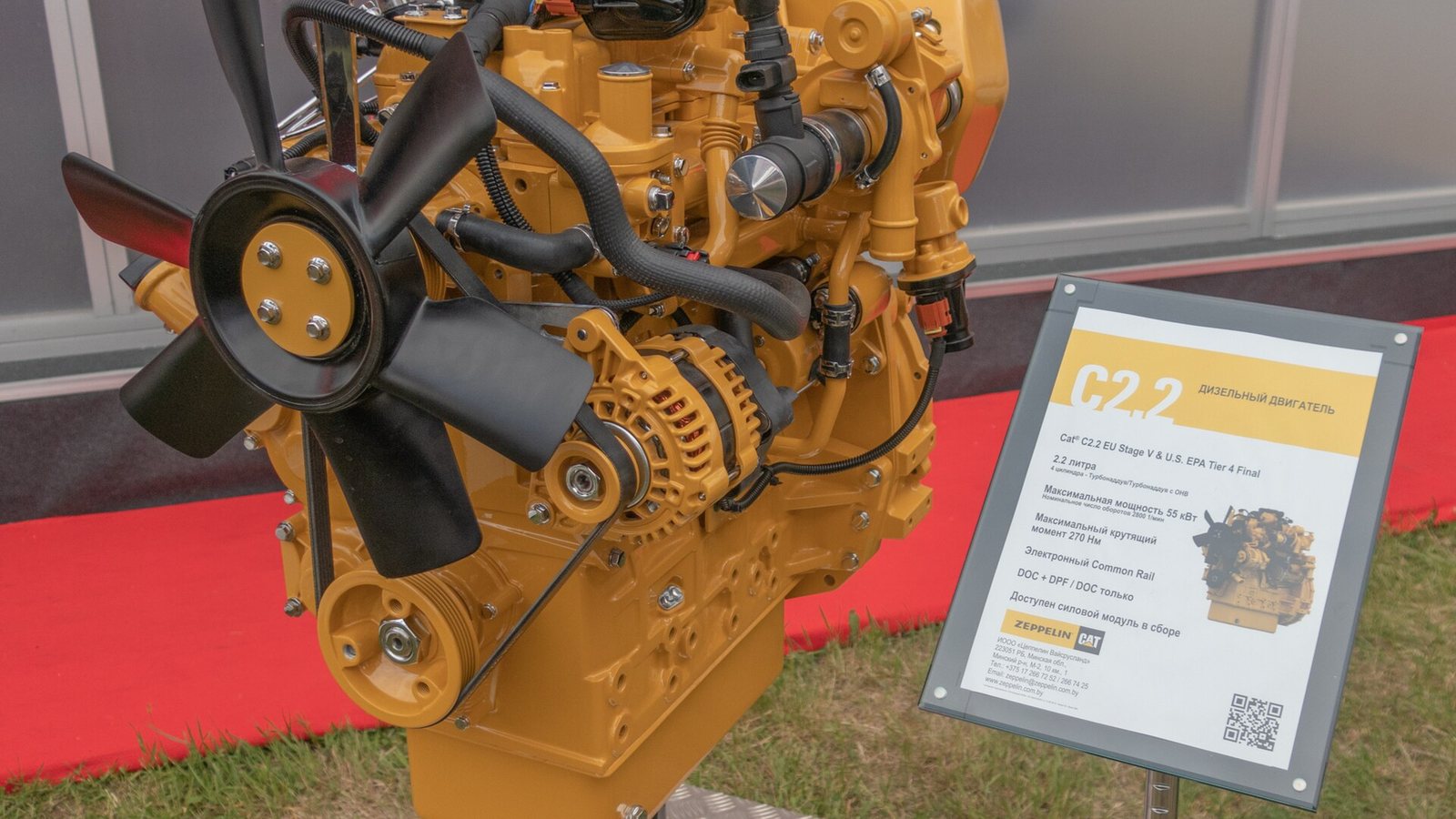
Sea water pump impeller kit (brand-specific)Thermostat and housing gasketWater pump seal kitCoolant hose repair kitZinc anode set for all heat exchangersFull coolant charge (sufficient for complete system replacement)Heat exchanger pressure test kitWärtsilä engines — Use Wärtsilä-approved coolant; the JW system runs at higher temperatures on some modelsCaterpillar — Genuine CAT ELC (Extended Life Coolant) required to maintain warrantyCummins — Fleetguard DCA4 supplemental coolant additive monitoring is mandatoryVolvo Penta — Volvo Coolant VCS required; mixing coolant types can cause precipitationMarineLink Solutions supplies genuine cooling system components for all major marine engine brands. Contact us at sales@marinelinksolutions.com for fast delivery of thermostats, impellers, heat exchangers, and complete coolant system overhaul kits.