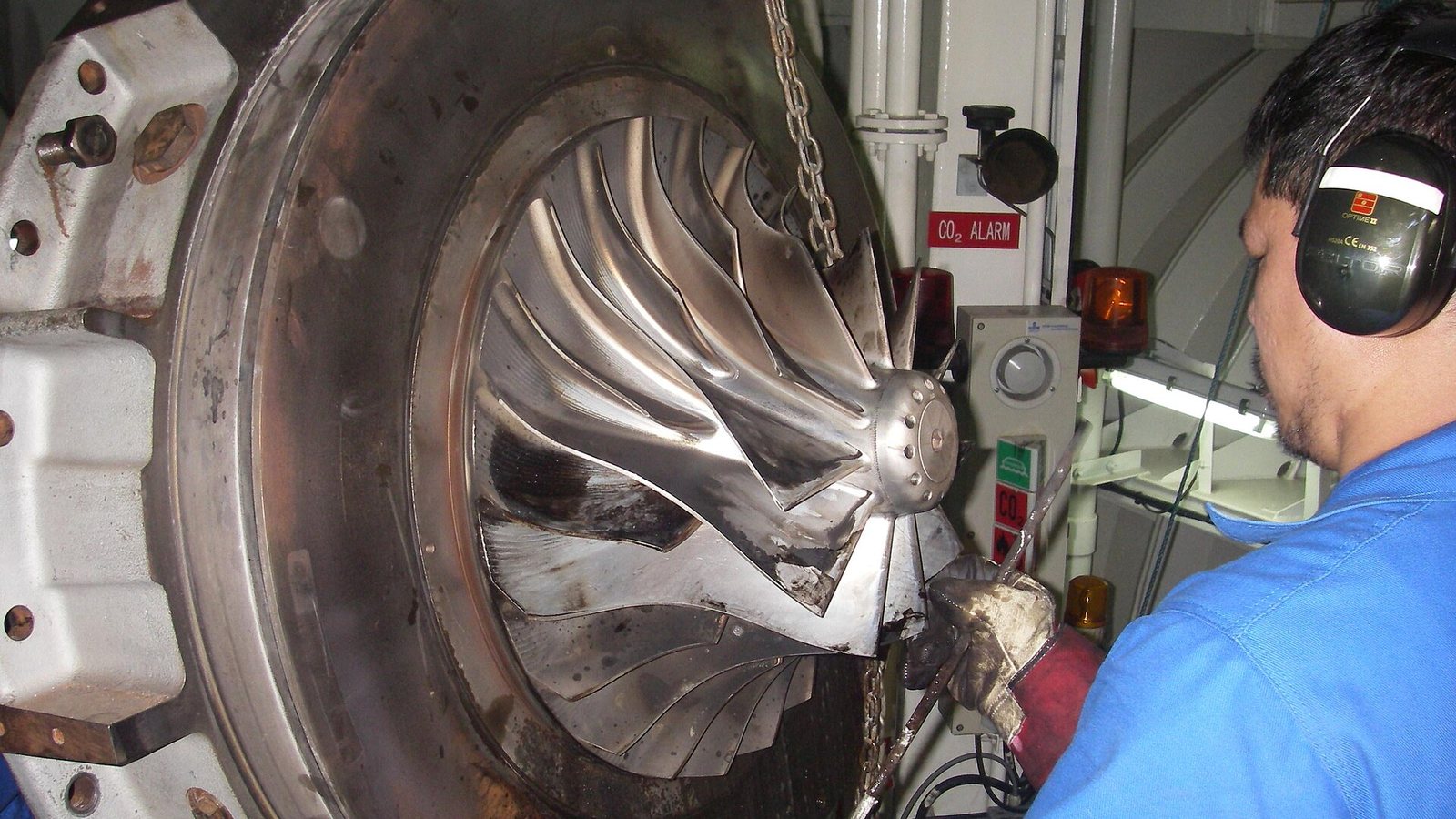
Wärtsilä W32 Cylinder Head: Resolving Operational Anomalies
Navigating W32 Cylinder Head Complexity
The Wärtsilä W32 (Vasa 32) remains a workhorse of the global merchant fleet, known for its robustness. However, as these engines accumulate running hours, the cylinder head assembly becomes a primary focus for maintenance-related downtime. For ship superintendents and chief engineers, troubleshooting the W32 head requires a move beyond basic observation into forensic analysis of thermal stress and pressure dynamics.
This guide addresses the technical nuances of troubleshooting the W32 cylinder head, focusing on root cause analysis for common failure modes that impact engine efficiency and safety.
1. Cooling Water Contamination and Jacket Leaks
One of the most frequent indicators of cylinder head distress in the W32 is the presence of combustion gases in the cooling water expansion tank or, conversely, water ingress into the combustion chamber.
Root Cause Analysis:
* O-ring Failure: The W32 utilizes a specific sealing arrangement for the cooling water transitions. Degradation of these O-rings often results from thermal cycling or the use of non-compliant cooling water chemicals that harden the elastomers.
* Cracked Fire Deck: Intense thermal loading, often caused by fuel injector dribble or late injection timing, can lead to stress cracks between the injector bore and the exhaust valve seats.
* Cavitation Erosion: Insufficient cooling water pressure or incorrect flow rates can cause localized boiling (nucleate boiling) leading to cavitation on the internal surfaces of the head.
Troubleshooting Steps:
2. Exhaust Valve Seat Recession and Sealing Issues
The W32 employs a four-valve design. Exhaust valve health is critical for maintaining compression ratios and preventing turbocharger surging.
Symptoms of Failure:
* High exhaust gas temperatures (EGT) on specific cylinders.
* Audible 'chirping' or 'hissing' during the compression stroke (detected via indicator cocks).
* Rapid carbon buildup in the air intake manifold.
Diagnostic Protocols:
* Valve Rotation Check: Ensure the Turnomat (rotator) units are functioning. If the valve does not rotate, localized hot spots will lead to 'guttering' on the seat.
* Seat Width Measurement: During overhaul, measure the contact width. A seat that is too wide (exceeding 5-6mm) lacks the contact pressure required to 'crush' carbon deposits, leading to blow-by.
* Stem Clearance: Measure the clearance between the valve stem and the guide. Excessive clearance leads to valve tilting, causing uneven seat wear and potential stem breakage.
3. The Fuel Injector Bore and Sleeve Integrity
The interface between the fuel injector and the cylinder head is a common point of failure. If the injector sleeve (bushing) leaks, fuel can dilute the lube oil, or cooling water can enter the cylinder.
Maintenance Intervals & Critical Checks:
* Tightening Torque: Ensure the injector clamping bridge is torqued exactly to Wärtsilä specifications. Over-torquing can distort the sleeve.
* Sealing Face Inspection: The copper washer at the base of the injector must be replaced every time the injector is pulled. Inspect the seating face for 'wire-drawing'—small grooves eroded by high-pressure gas bypass.
4. Technical Specifications and Wear Limits
When troubleshooting, engineers must refer to the following benchmark values for the W32:
* Maximum Cylinder Pressure (Pmax): Typically 180-190 bar depending on the specific sub-type (E/F/D).
* Exhaust Valve Seat Angle: 30 degrees (Standard).
* Cylinder Head Nut Torque: 1500 Nm (initial) followed by hydraulic tensioning to 650 bar (refer to specific engine manual for variation).
5. The Role of Material Integrity: Why Genuine Spares Matter
Troubleshooting is futile if the replacement components do not meet the original design intent. The W32 cylinder head operates under extreme peak pressures. Non-genuine heads or substandard valves often suffer from:
* Inferior Metallurgy: Rapid seat recession due to incorrect Stellite layering on exhaust valves.
* Dimensional Inaccuracy: Poorly machined water passages that lead to stagnant zones and localized overheating.
* Elasticity Mismatch: Cylinder head gaskets that do not compress at the required rate, leading to catastrophic liner flange fretting.
MarineLink Solutions specializes in the supply of high-specification components that ensure your W32 returns to its design baseline performance, reducing the need for repetitive troubleshooting.
Summary Checklist for Fleet Managers
* Weekly: Monitor cooling water expansion tank levels and pressure.
* Monthly: Log individual EGTs and compare against sea trial data.
* 12,000 Hours: Perform a top-end overhaul including valve grinding and pressure testing of all heads.
* 24,000 Hours: Full replacement of valve rotators and thorough inspection of the fire deck for micro-cracks using dye penetrant.
Effective troubleshooting of the Wärtsilä W32 cylinder head requires a disciplined approach to data logging and a commitment to using parts that can withstand the rigors of medium-speed operation.
Do you need technical support or precision-engineered spare parts for your Wärtsilä W32 engines? Contact MarineLink Solutions today for expert consultancy and global logistics support.
Need Spare Parts?
MarineLink Solutions supplies genuine parts for all major marine engine brands. Contact us for a fast, competitive quote.
Request a Quote