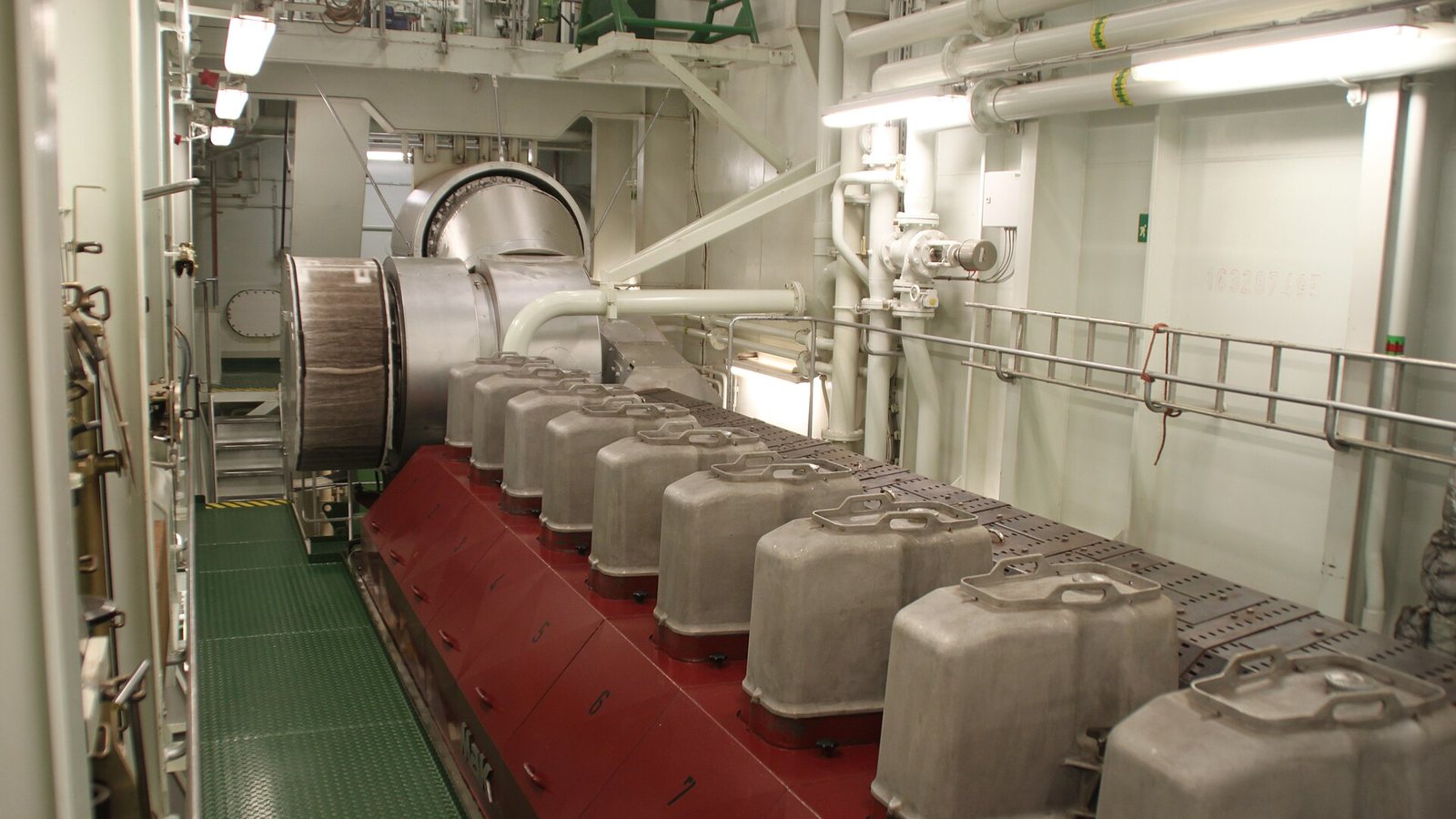
Wärtsilä W32 Cylinder Head: Leakage & Thermal Stress Diagnostics
Precision Diagnostics for Wärtsilä W32 Cylinder Heads
The Wärtsilä W32 engine is a cornerstone of medium-speed marine propulsion, known for its reliability and power density. However, the cylinder head remains one of the most thermally and mechanically stressed components in the assembly. For fleet managers and chief engineers, understanding the specific failure modes of the W32 head—distinct from general medium-speed engines—is critical for preventing unplanned downtime.
This guide focuses on identifying the root causes of coolant leakage, valve seat pocket erosion, and thermal fatigue cracking, providing actionable technical protocols for the engine room.
1. Cooling Water Leakage: O-Ring Integrity and Landing Areas
The W32 cylinder head relies on a specific arrangement of O-rings and flame rings to maintain a tight seal against the liner and the cooling water jacket. When leakage occurs at the interface between the head and the block, the diagnosis often points to one of three issues:
* Vibration-Induced Fretting: If the cylinder head nuts are not tightened to the exact hydraulic pressure (refer to the manual for the specific 800-1100 bar tensioning requirements, depending on build spec), micro-movements can erode the landing surfaces.
* Chemical Degradation of Seals: The use of non-approved cooling water additives can cause premature hardening of the FKM (Viton) O-rings. Once these seals lose elasticity, they fail to accommodate the thermal expansion cycles of the engine.
* Cavitation Erosion: Inspect the cooling water passages within the head. If the flow rate or pressure is off-spec, cavitation can occur around the valve bridges, eventually leading to external leaks or water-in-fuel scenarios.
2. Thermal Fatigue and Valve Bridge Cracking
The W32 head is subject to intense thermal cycling. The most critical area for inspection is the bridge between the intake and exhaust valves. Cracks here are often the result of:
* Overloading: Consistently running the engine above 90% MCR without adequate cooling flow.
* Poor Combustion: Leaking fuel injectors (nozzle dripping) cause localized hotspots on the combustion face of the head, leading to differential thermal expansion and eventual stress fractures.
* Scale Accumulation: Even a 1mm layer of calcium scale inside the cooling galleries can increase the metal temperature by over 50°C, drastically reducing the fatigue life of the casting.
Actionable Step: During every 12,000-hour overhaul, perform a dye penetrant test (DPT) on the combustion face, specifically focusing on the valve bridge area and the injector sleeve bore.
3. Exhaust Valve Seat Pocket Maintenance
The W32 utilizes press-fit valve seats. A common issue during troubleshooting is the loosening of these seats or the appearance of "cobweb" cracking around the pocket.
* Seat Recession: If the exhaust gas temperatures are consistently high (above 450°C at the cylinder outlet), the valve seats may lose their interference fit.
* Cooling Efficiency: Ensure the "bore-cooled" passages near the exhaust valves are clear. Obstructions here lead to rapid seat wear and eventual failure of the valve seat landing.
4. Maintenance Intervals & Technical Specifications
To maintain operational integrity, MarineLink Solutions recommends the following schedule based on Wärtsilä technical documentation:
| Component/Action | Interval (Running Hours) | Critical Checkpoint |
|---|---|---|
| Cylinder Head Overhaul | 12,000 - 18,000 | Pressure test to 7 bar |
| Fuel Injector Service | 2,000 - 3,000 | Opening pressure & spray pattern |
| Valve Clearance Check | 2,000 | Intake: 0.40mm / Exhaust: 0.90mm (Cold) |
| Indicator Valve Inspection | 6,000 | Check for carbon buildup and seating |
5. The Role of Genuine Spares in Sealing Integrity
When troubleshooting W32 cylinder head issues, the quality of the replacement parts—specifically O-rings, flame rings, and valve seats—is non-negotiable. The W32 operates at peak combustion pressures exceeding 200 bar. Non-genuine O-rings often fail to meet the precise cross-sectional diameter required for the W32’s seal grooves, leading to immediate leaks upon engine restart.
Furthermore, genuine Wärtsilä or high-spec OEM valve seats are manufactured from specific alloys designed to match the thermal expansion coefficient of the head casting. Using sub-standard metallurgical replacements often results in seats dropping out during operation, causing catastrophic piston and liner damage.
6. Diagnostic Troubleshooting Flowchart
If you encounter high cooling water temperature or pressure fluctuations:
Conclusion
Effective Wärtsilä W32 cylinder head troubleshooting requires a combination of thermal analysis, chemical monitoring of cooling systems, and rigorous adherence to hydraulic tensioning protocols. By identifying early signs of scale accumulation and O-ring degradation, engineers can extend the head's service life and avoid the high costs of catastrophic engine failure.
For technical support or to source genuine components for your next W32 overhaul, contact MarineLink Solutions. Our team specializes in providing the precision parts and technical insights required to keep your fleet at sea.
Need Spare Parts?
MarineLink Solutions supplies genuine parts for all major marine engine brands. Contact us for a fast, competitive quote.
Request a Quote