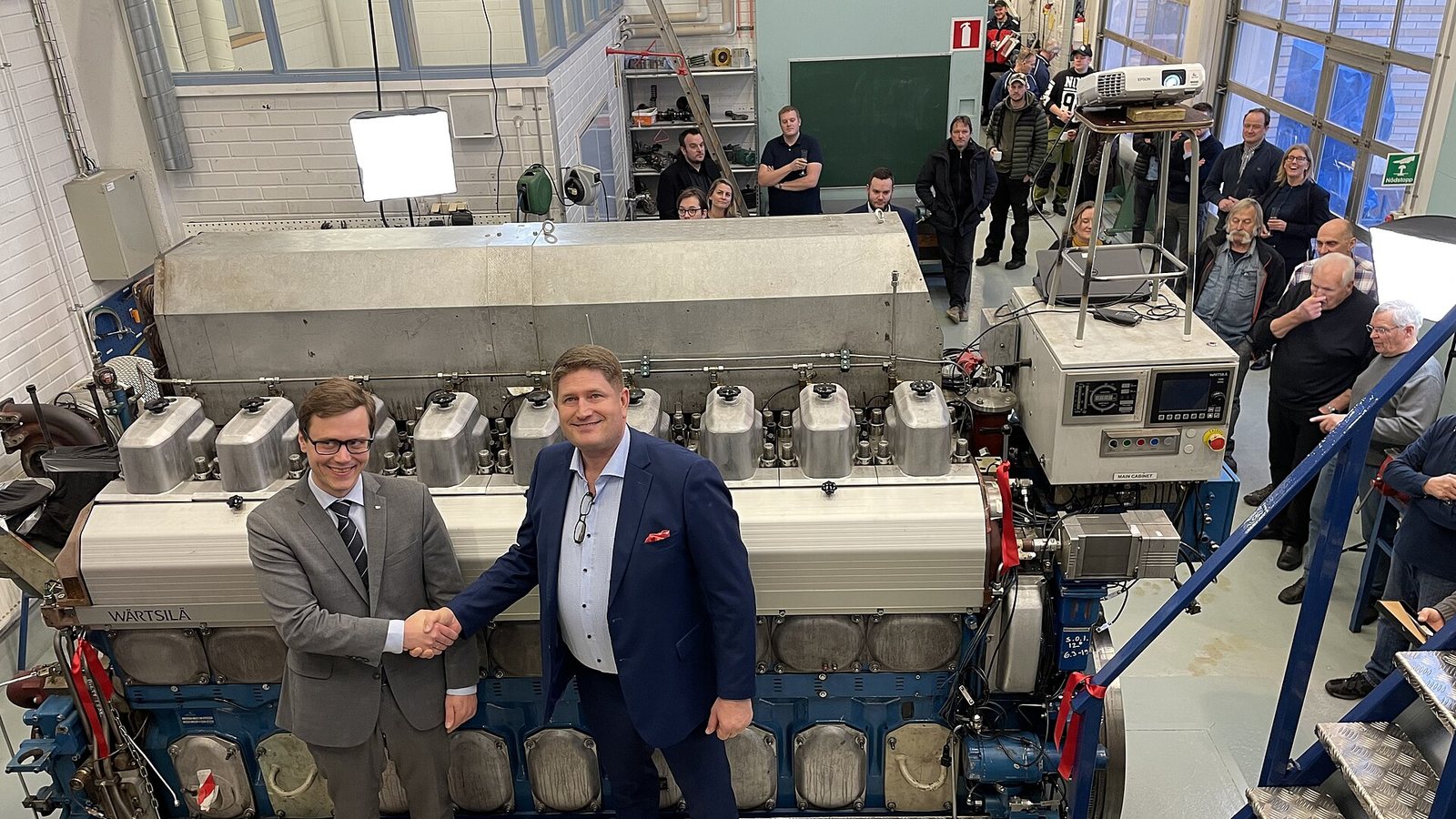
Wärtsilä W32 Cylinder Head Troubleshooting: Failure Modes & Remedies
Technical Overview of the Wärtsilä W32 Cylinder Head
The Wärtsilä W32 (Vee and In-line) remains a workhorse of the global maritime fleet, favored for its power-to-weight ratio and reliability in medium-speed applications. However, as these engines accumulate thousands of running hours, the cylinder head assembly becomes a focal point for thermal and mechanical stress. Effective troubleshooting is essential for fleet managers and ship superintendents to prevent catastrophic failure and unplanned off-hire time.
This guide focuses on the technical diagnostics of the W32 head, addressing the specific failure modes encountered in heavy fuel oil (HFO) and marine gas oil (MGO) operations.
1. Chronic Cooling Gallery Scaling and Overheating
A frequent issue reported by marine engineers is localized overheating, often indicated by high exhaust gas temperatures on a single cylinder despite normal fuel rack positions.
Diagnosis:
* Scaling accumulation: The W32’s bore-cooled design is highly efficient but sensitive to water chemistry. Calcium and magnesium deposits in the internal cooling galleries restrict flow.
* Visible symptoms: Discoloration of the head’s external paint or repeated failure of the O-rings at the water transition pieces.
Remedy:
* Perform ultrasonic thickness testing if internal corrosion is suspected.
* Implement strict jacket water chemistry monitoring (nitrite levels 1500-3000 ppm).
* During overhauls, ensure the water guide jackets are pulled and the cooling bores are mechanically cleaned or chemically descaled.
2. Valve Seat Recession and Thermal Tracking
The W32 utilizes Nimonic valves and hardened seat inserts. While robust, improper combustion or poor fuel quality leads to accelerated wear.
Diagnosis:
* Recession: Measure the 'valve sinkage' during routine inspections. If the valve head sits deeper into the seat than the OEM limit (typically >3.0mm depending on specific engine Mark), the seat must be replaced.
* Guttering: Deep radial cracks or 'gutters' on the valve face suggest thermal overload or localized hot spots caused by carbon buildup (coking).
Troubleshooting Steps:
3. Sealing Integrity and Joint Face Leaks
The W32 head uses a metal-to-metal seal with the cylinder liner, supported by a specialized flame ring (fire ring). Leaks at this interface are critical and can lead to wire-drawing of the landing surfaces.
Root Causes of Leaks:
* Uneven Stud Tensioning: The W32 uses hydraulic tensioning tools. Failure to follow the cross-pattern sequence or using a miscalibrated pump results in uneven clamping force.
* Landing Surface Pitting: Minor corrosion on the head’s bottom surface or the liner’s top landing can bypass the seal.
Maintenance Protocol:
* Always use a new flame ring and O-ring set upon every head removal.
* Inspect the landing surfaces with a straightedge. If pitting exceeds 0.05mm, the surface must be re-machined using an on-site portable lathe to restore the required surface finish.
4. Troubleshooting Table: Common W32 Head Issues
| Symptom | Potential Cause | Action Required |
|---|---|---|
| White smoke in exhaust | Cracked head or leaking injector sleeve | Pressure test head to 7 bar; check O-rings |
| High EGT (Single Cyl) | Scaled cooling bores / Leaking exhaust valve | Inspect cooling galleries; check valve sinkage |
| Starting air pipe hot | Leaking starting air valve | Overhaul or replace starting air valve assembly |
| Coolant in scavenge air | Leaking head-to-liner seal | Pull head; replace flame ring and seals |
The Critical Role of Genuine Spare Parts
When troubleshooting leads to component replacement—such as valve spindles, seats, or guide bushes—the temptation to use 'will-fit' aftermarket parts is high due to lower initial costs. However, in the W32, material science is paramount. Genuine Wärtsilä or OEM-equivalent parts from verified suppliers ensure the Nimonic alloys and hardening processes meet the original thermal expansion coefficients.
Using non-genuine valve guides, for example, can lead to premature seizing if the clearance tolerances do not account for the specific thermal growth of the W32’s exhaust valves. This results in bent pushrods or catastrophic valve-to-piston contact. Investing in verified spares is the only way to guarantee that the engine meets its 12,000 to 24,000-hour overhaul intervals without mid-cycle failures.
Actionable Maintenance Intervals for W32 Heads
To maximize the lifecycle of the cylinder head, MarineLink Solutions recommends the following schedule:
* Every 2,000 Hours: Check and adjust valve clearances; inspect for fuel/oil leaks at the rocker cover.
* Every 8,000 Hours: Inspect fuel injectors; check for signs of combustion blow-by at the head-liner interface.
* Every 12,000-16,000 Hours: Complete head overhaul. Replace valve springs, rotocaps, and seals. Pressure test the head for internal cracks.
* Part Reference: Common consumables include the Cylinder Head Gasket Set (Ref. 120025) and Exhaust Valve Spindle (Ref. 120010).
Technical Support and Spare Parts Supply
Diagnosing Wärtsilä W32 cylinder head issues requires a combination of precise measurement and high-quality replacement components. Whether you are dealing with chronic overheating or preparing for a scheduled 24,000-hour major overhaul, having the right parts on hand is critical to minimizing vessel downtime.
MarineLink Solutions specializes in the supply of genuine and high-quality OEM spare parts for Wärtsilä W32 engines. Our technical team is available to assist with part identification and logistics for your next drydocking or emergency repair.
Contact MarineLink Solutions today for a technical consultation or a competitive quote on W32 cylinder head components.
Need Spare Parts?
MarineLink Solutions supplies genuine parts for all major marine engine brands. Contact us for a fast, competitive quote.
Request a Quote