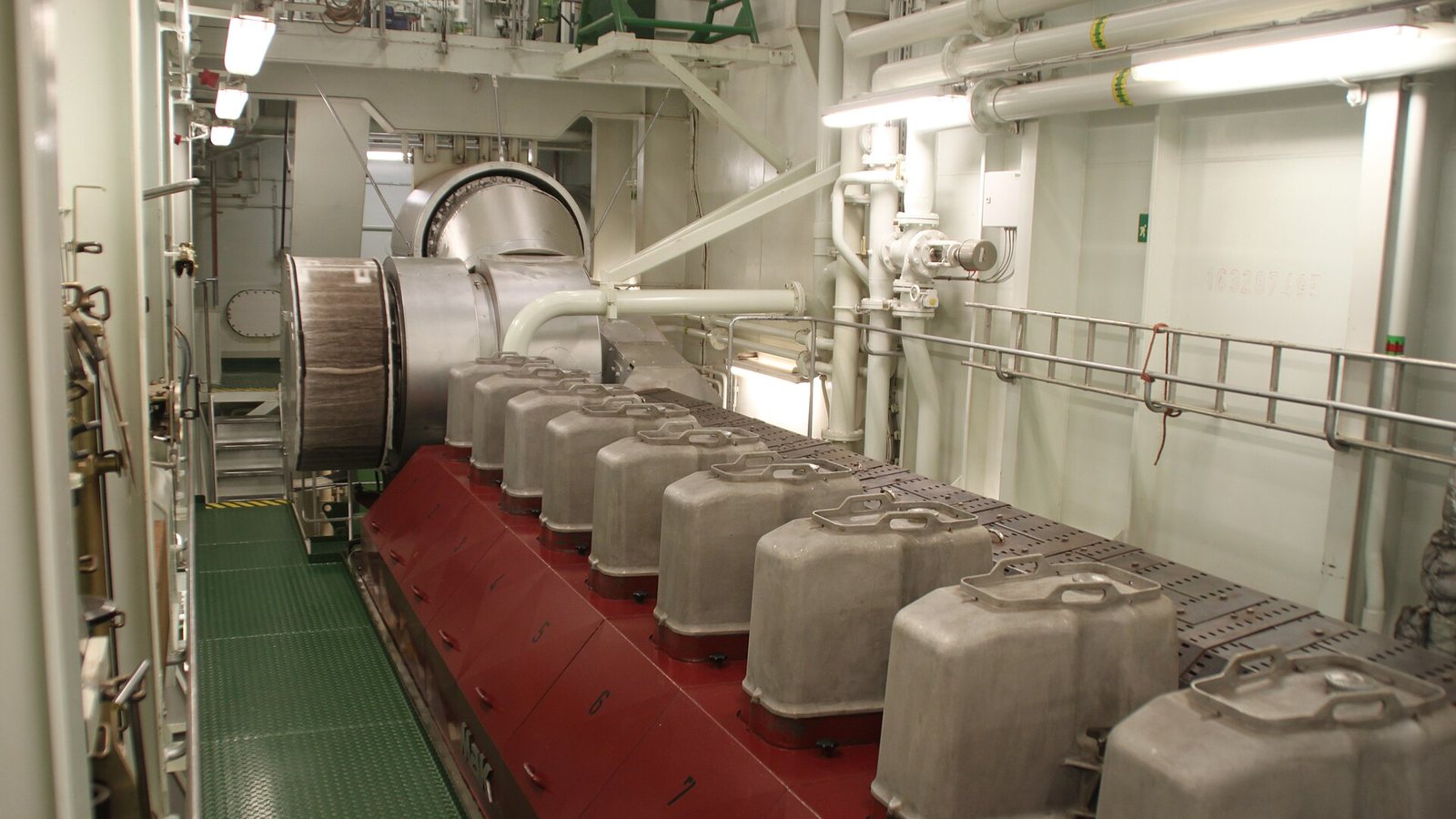
Wärtsilä W32 Cylinder Head: Identifying and Preventing Crack Failures
Diagnostic Protocols for Wärtsilä W32 Cylinder Heads
The Wärtsilä W32 (V- and L-configurations) is a workhorse in the maritime industry, known for its high power-to-weight ratio. However, the high peak combustion pressures and thermal loads inherent in this medium-speed engine place immense strain on the cylinder head assembly. For ship superintendents and fleet managers, identifying early warning signs of head failure is critical to preventing catastrophic engine room downtime.
This technical guide focuses on the diagnostic procedures for the most common W32 head issues: thermal fatigue cracking, cooling jacket scaling, and valve seat recession.
1. Primary Failure Mode: Thermal Fatigue Cracks
The most frequent failure point on a W32 cylinder head is the bridge between the intake and exhaust valves. Because this area experiences the most intense thermal cycling, it is prone to fatigue cracking.
Identification Signs:
* Coolant Loss: Unexplained drops in the expansion tank level.
* Combustion Gas in Cooling Water: Bubbles or high pressure in the HT (High Temperature) cooling circuit.
* Cold Start Misfires: Water accumulation in the cylinder after standstill, leading to a hydraulic lock risk.
Diagnostic Action:
Perform a pressure test at 6 bar using a dedicated test rig. If a crack is suspected but not visible, utilize Dye Penetrant Inspection (DPI) on the flame side of the head, focusing on the valve bridge area and the injector sleeve bore.
2. Valve Seat and Guide Wear Analysis
The W32 utilizes pressurized lubrication for valve stems. Excessive wear in the guides or recession of the seats directly impacts gas exchange efficiency and exhaust temperatures.
* Valve Recession: Measure the 'protrusion' or 'depression' of the valve head relative to the flame side surface. If the valve is recessed beyond the Wärtsilä wear limit (typically 3.5mm to 4.5mm depending on the specific engine version), the head must be reconditioned or scrapped.
* Exhaust Temperature Spikes: If one cylinder shows significantly higher exhaust gas temperatures (EGT), inspect the exhaust valve seating. Incomplete sealing leads to 'torching,' which can destroy a cylinder head in hours.
3. The Role of Cooling Water Chemistry
Many W32 head failures attributed to "bad casting" are actually results of poor water treatment. Scaling on the internal cooling passages acts as an insulator, preventing heat transfer from the combustion face to the coolant.
* The 1mm Rule: A mere 1mm of scale build-up can increase metal temperatures by over 100°C, leading to immediate thermal cracking.
* Prevention: Maintain Nitrite levels between 700-2400 ppm and chloride levels below 50 ppm. Regularly inspect the internal water jackets during 12,000-hour overhauls using a borescope.
4. Maintenance Intervals and Torque Specifications
Adherence to the Wärtsilä maintenance schedule is non-negotiable for fleet reliability. For the W32, the following intervals are recommended:
| Component | Action | Interval (Running Hours) |
|---|---|---|
| Valve Clearances | Check/Adjust | 2,000 Hours |
| Cylinder Head Bolts | Re-torque (Hydraulic) | 4,000 Hours |
| Full Head Overhaul | Recondition/Pressure Test | 12,000 - 16,000 Hours |
| Fuel Injector Sleeves | Inspect for Leaks | Every Piston Pull |
Important: When mounting the head, ensure the four main nuts are tightened using hydraulic jacks at the specific pressure (typically 550-600 bar, but check your specific engine manual for the latest service bulletin updates). Uneven tensioning is a leading cause of head gasket (sealing ring) failure.
5. The Criticality of Genuine Spare Parts
When troubleshooting leads to a component replacement, the choice of spares is the single most important factor in preventing recurrence. The W32 cylinder head operates under extreme mechanical stress. Non-genuine parts—particularly valve seats and injector sleeves—often lack the metallurgical composition required to handle the W32's specific thermal expansion coefficients.
Using genuine Wärtsilä or OEM-standard components ensures:
* Material Compatibility: Valve seats that won't loosen at operating temperatures.
* Precision Machining: Proper fitment of the flame-ring groove to prevent combustion gas bypass.
* Warranty Integrity: Protecting the vessel’s insurance and operational compliance.
MarineLink Solutions specializes in sourcing these high-spec components, ensuring that your W32 engines receive parts that meet the original design tolerances, not just 'close enough' alternatives.
Conclusion
Troubleshooting Wärtsilä W32 cylinder heads requires a proactive approach. By monitoring HT water chemistry, performing regular borescope inspections, and reacting immediately to EGT fluctuations, engineers can extend the life of these critical components. When repairs are necessary, always prioritize component quality to avoid repetitive failures.
For technical support or to source urgent W32 cylinder head components, contact the experts at MarineLink Solutions. Our global supply chain is optimized to keep your fleet moving with genuine and high-quality OEM spares.
Need Spare Parts?
MarineLink Solutions supplies genuine parts for all major marine engine brands. Contact us for a fast, competitive quote.
Request a Quote