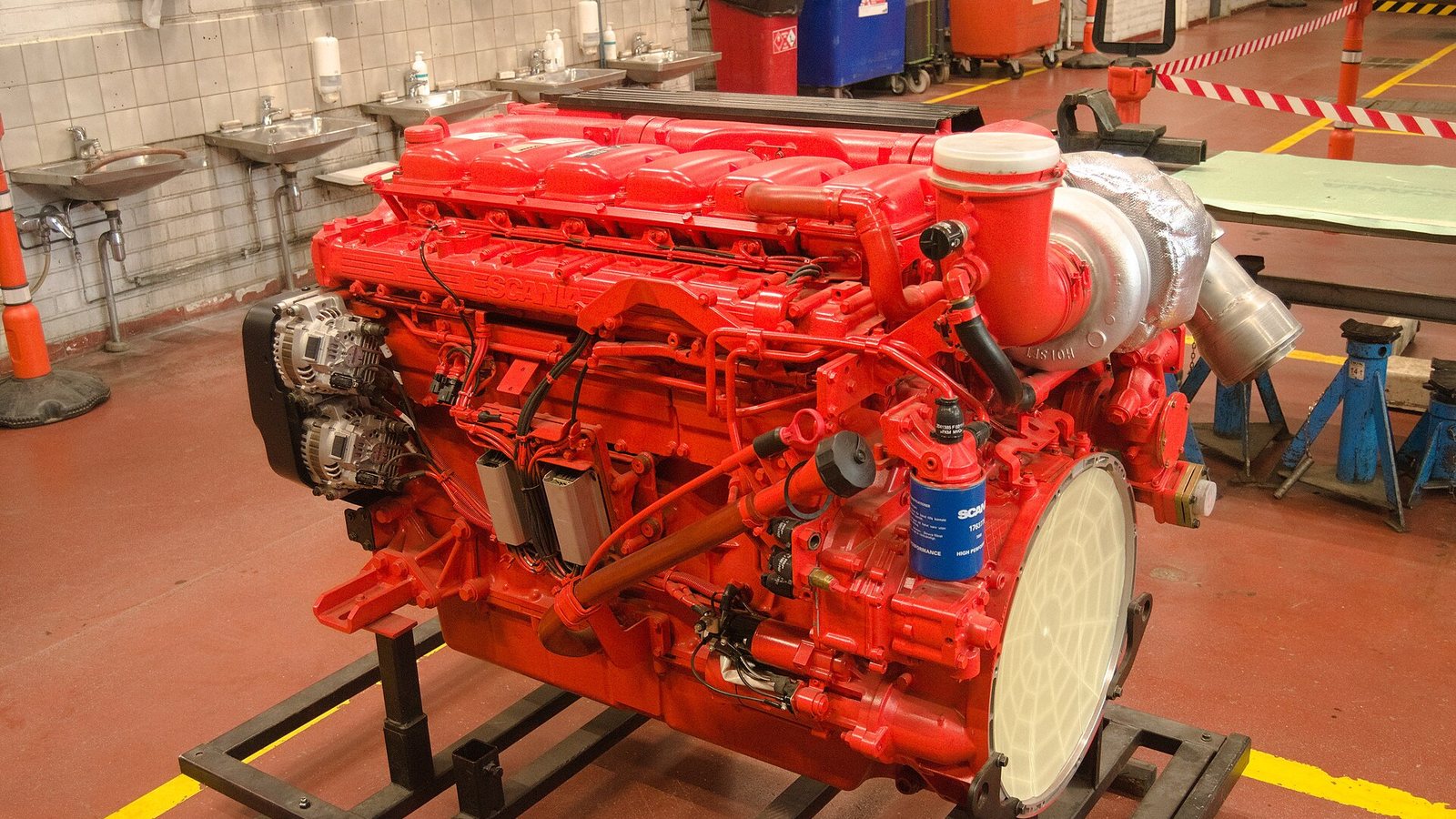
Wärtsilä W32 Cylinder Head: Crack Diagnostics & Sealing Integrity
Engineering Overview: The Wärtsilä W32 Combustion Environment
The Wärtsilä W32 is a workhorse of the medium-speed market, known for its high power density and reliability. However, the cylinder head remains one of the most thermally and mechanically stressed components in the engine assembly. For ship superintendents and chief engineers, recognizing early warning signs of cylinder head failure is critical to preventing catastrophic water ingress or combustion gas blow-by.
This technical guide focuses on the specific failure modes of W32 heads, including thermal fatigue cracking, valve seat recession, and cooling jacket scaling, providing actionable troubleshooting protocols for fleet technical managers.
Identifying Root Causes of W32 Cylinder Head Failure
Troubleshooting the W32 head requires a systematic approach to three primary stressors: thermal cycling, chemical corrosion, and mechanical loading.
1. Thermal Fatigue and Fire Deck Cracking
The most common failure point is the fire deck, specifically the bridge between the exhaust valve seats and the central fuel injector bore.
* Symptoms: Loss of cooling water, white smoke in exhaust, or pressurized expansion tanks.
* Root Cause: Frequent load changes (common in DP vessels or tugs) lead to extreme thermal gradients. If the cooling water temperature is not maintained within the OEM-specified range (typically 80-90°C at outlet), the resulting stress exceeds the material limits of the nodular cast iron.
2. Valve Seat Recession and Material Degradation
The W32 utilizes shrink-fitted valve seat inserts.
* Symptoms: Increasing exhaust gas temperatures on specific cylinders and reduced valve clearances during routine checks.
* Diagnostic: Use a depth micrometer to measure valve protrusion. If the valve sits deeper than the wear limit specified in the technical manual, the seat or the valve tulip has degraded, risking a burnt valve or a dropped valve head.
3. Cooling Jacket Scaling and Cavitation
Internal cooling passages in the W32 head are intricate.
* Symptoms: Localized hot spots leading to recurring cracks in the same cylinder position across the engine block.
* Root Cause: Poor water chemistry. Calcium deposits act as an insulator, preventing heat transfer from the combustion face to the coolant. This is often exacerbated by air entrainment in the cooling system, leading to cavitation erosion near the liner interface.
Technical Troubleshooting Protocol
When a cylinder head issue is suspected, engineers should follow this diagnostic sequence:
Maintenance Intervals & Critical Specifications
To maximize the lifecycle of W32 cylinder heads, adhere to the following schedule:
| Component/Action | Interval (Running Hours) | Critical Threshold |
|---|---|---|
| Valve Clearance Check | 2,000 | Refer to W32 Data Sheet |
| Fuel Injector Overhaul | 4,000 | Replace Nozzles |
| Cylinder Head Overhaul | 12,000 - 16,000 | Pressure Test Required |
| Valve Seat Replacement | As per measurement | Max recession reached |
The Role of Genuine Spares in Sealing Integrity
The Wärtsilä W32 operates at high peak combustion pressures (Pmax). Using non-genuine or poorly reconditioned cylinder heads introduces significant risk to the engine block. Genuine W32 heads are cast with specific metallurgical properties to handle the transition from start-up to full load.
Furthermore, the sealing gaskets and O-rings—specifically the flame ring at the top of the liner—must be OEM-grade. Substandard seals often fail to maintain the gas-tight interface under the vibration profiles of a medium-speed engine, leading to eroded landing surfaces on the engine frame which requires expensive in-situ machining to repair.
Optimizing Your Fleet Spares Strategy
Managing a fleet of W32-powered vessels requires a proactive approach to cylinder head rotation. Rather than waiting for a failure, fleet managers should maintain a "swing set" of fully dressed, pressure-tested heads. This allows for rapid replacement during port stays, minimizing downtime while the removed heads are sent for professional ultrasonic cleaning and valve grinding.
At MarineLink Solutions, we specialize in supporting technical managers with high-availability components for Wärtsilä W32 engines. Whether you are dealing with chronic thermal cracking or preparing for a scheduled 16,000-hour overhaul, our technical team provides the precision-engineered parts necessary to maintain your vessel’s operational integrity.
Contact MarineLink Solutions today for a technical consultation on W32 cylinder head components and comprehensive overhaul kits.
Need Spare Parts?
MarineLink Solutions supplies genuine parts for all major marine engine brands. Contact us for a fast, competitive quote.
Request a Quote