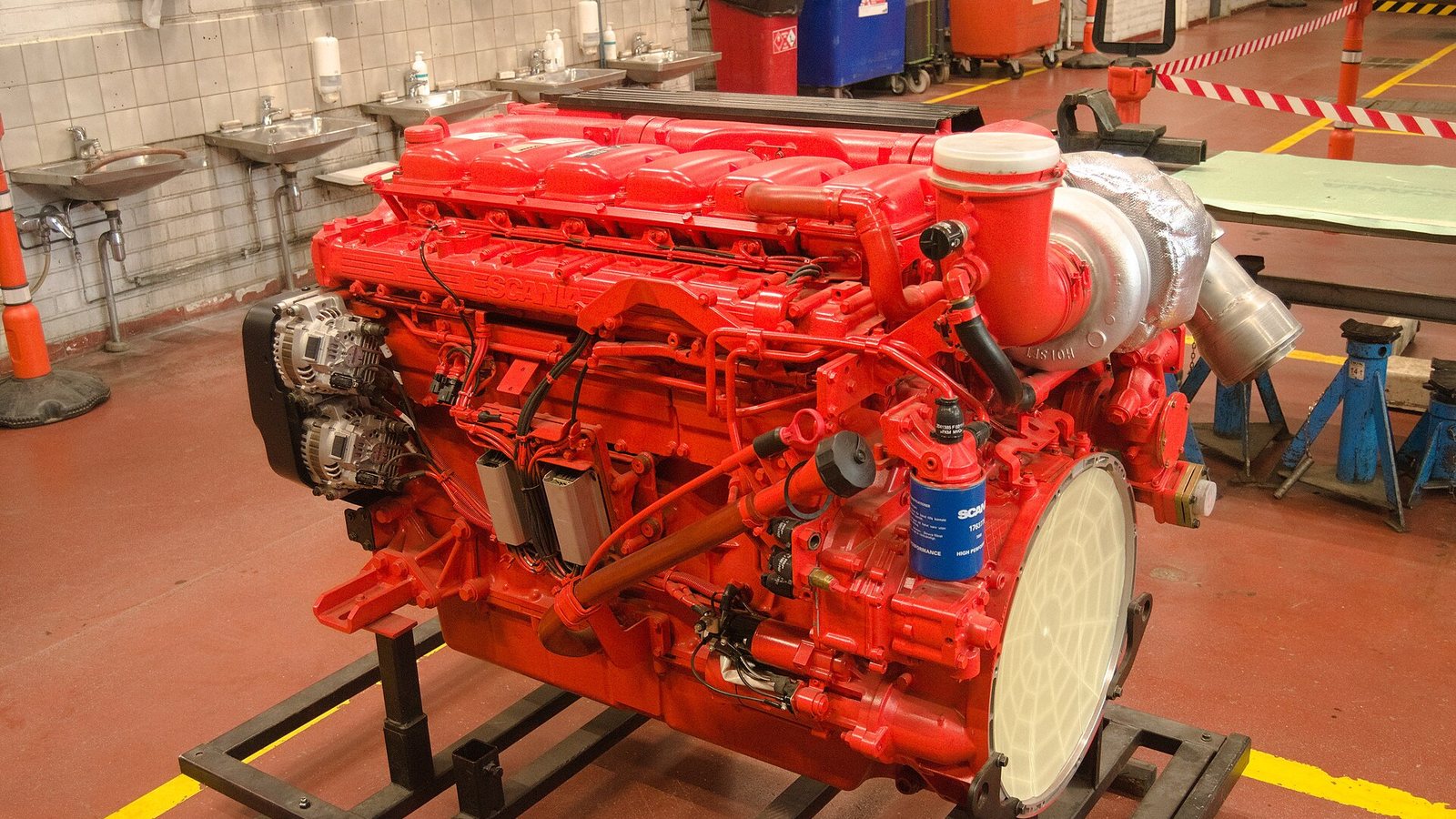
Volvo Penta D16 Overhaul: Planning Component Integration
Strategic Planning for the Volvo Penta D16 Overhaul
The Volvo Penta D16 is a high-performance inline six-cylinder engine known for its power-to-weight ratio and reliability in commercial applications. However, for ship superintendents and fleet managers, the transition from routine maintenance to a major overhaul (Major Service Interventon) represents a significant logistical and technical challenge. A successful overhaul is not merely about replacing parts; it is about restoring the engine to original factory tolerances to ensure another 10,000 to 20,000 hours of reliable service.
Understanding the D16 Service Life Cycle
While operating conditions dictate actual wear, Volvo Penta typically recommends a major overhaul between 10,000 and 15,000 hours for high-load commercial applications. Planning must begin at least 1,000 hours prior to this window.
Key indicators that an overhaul is imminent include:
* Increased Crankcase Pressure: Indicating piston ring wear or liner glazing.
* Fuel Dilution in Oil: Suggesting injector seat erosion or O-ring failure.
* Coolant Consumption: Potential liner O-ring degradation or heat exchanger fatigue.
* Exhaust Temperature Deviations: Signaling turbocharger efficiency loss or valve seat recession.
Critical Component Focus: The Cylinder Head and Valve Train
The D16 utilizes a single-piece cylinder head with a single overhead camshaft (SOHC) and four valves per cylinder. During an overhaul, the head must be pressure tested for micro-fractures, particularly around the injector copper sleeves.
Valve Seat and Guide Specifications
When machining the head, engineers must adhere strictly to the following:
* Valve Recession: Ensure valves do not sit too deep in the head, which affects compression and combustion swirl.
* Copper Sleeve Replacement: Always replace the injector copper sleeves (Part No. 882471 or equivalent) during a head refurb. Improperly seated sleeves are a primary cause of coolant contamination in the fuel system.
The Bottom End: Liners, Pistons, and Bearings
The D16 features wet, replaceable cylinder liners. A common oversight in rapid overhauls is the failure to properly clean the liner seats in the block. Carbon buildup or corrosion here can lead to improper liner protrusion (stand-out), resulting in head gasket failure within months of the overhaul.
Piston Kit Integration
Standard overhaul kits (Part No. 22212628 for D16C/D variants) include the piston, rings, and liner.
* Ring Gap Alignment: Stagger ring gaps at 120-degree intervals.
* Liner Protrusion: Must be measured with a dial indicator. The standard range is typically 0.15–0.21 mm. Deviations outside this range require the use of stainless steel shims or block deck machining.
Fuel System and EMS Optimization
The Electronic Management System (EMS) and the Unit Injectors (UI) are the heart of the D16. During a major overhaul, sending injectors for bench testing and calibration is non-negotiable.
* Unit Injector Calibration: After re-installation, the trim codes (6-digit alphanumeric codes) must be programmed into the Engine Management Unit using the Vodia diagnostic tool. Failure to update these codes leads to cylinder imbalance and increased vibration.
* Wiring Harness Inspection: The internal engine harness is exposed to constant heat and oil. Look for brittle insulation or connector corrosion, which can cause intermittent 'Sensor Signal Fault' codes.
Turbocharger and Cooling System Logistics
The D16's turbocharger is often a twin-scroll design for improved response. During overhaul, inspect the turbine housing for heat-induced cracking.
Cooling System Checklist:
* Heat Exchanger: Descale the tube bundle and replace all sacrificial anodes.
* Seawater Pump: Replace the impeller and the mechanical seal. Wear on the pump shaft often goes unnoticed until a mid-voyage failure occurs.
* Thermostats: Replace all thermostats (D16 typically uses two). A stuck-open thermostat prevents the engine from reaching the optimal 82-100°C range, leading to bore glazing.
The Critical Role of Genuine Spare Parts
For a high-torque engine like the D16, the cost of a component failure far outweighs the savings of aftermarket alternatives. Genuine Volvo Penta parts are engineered to specific metallurgical standards required to withstand the peak cylinder pressures of this engine series.
Using non-genuine head gaskets, for example, often leads to micro-leakage under high load, as the fire ring composition may not match the thermal expansion rate of the D16 block. At MarineLink Solutions, we prioritize the procurement of OEM-spec components to ensure that the tolerances established during the overhaul remain stable throughout the next service cycle.
Conclusion: Minimizing Post-Overhaul Downtime
A successful Volvo Penta D16 overhaul requires a synchronized approach between the technical labor on-site and the logistics of the spare parts supply chain. By focusing on liner protrusion, injector calibration, and the use of genuine seals and gaskets, fleet managers can significantly extend the Mean Time Between Failures (MTBF).
Need assistance planning your next engine intervention? Contact MarineLink Solutions today for expert technical advice and a comprehensive quote on D16 overhaul kits and critical components.
Need Spare Parts?
MarineLink Solutions supplies genuine parts for all major marine engine brands. Contact us for a fast, competitive quote.
Request a Quote