Volvo Penta D16 Overhaul: Engineering & Logistics Planning
Executing a Successful Volvo Penta D16 Major Overhaul
The Volvo Penta D16 is a cornerstone of marine power, serving as both a primary propulsion engine for workboats and a reliable genset driver for larger vessels. However, as these units approach the 10,000 to 20,000-hour mark—depending on load profile and maintenance history—fleet managers must move from routine maintenance to major overhaul planning.
For a ship superintendent, the goal is to minimize vessel downtime while ensuring the engine returns to its original performance specifications. This requires a meticulous approach to parts procurement, technical assessment, and logistical execution.
1. Technical Pre-Assessment: Defining the Scope
Before the engine is opened, historical data should dictate the overhaul depth. Review the last 500 hours of telematics and oil analysis reports. Key indicators for D16 wear include:
* Blow-by Pressure: High crankcase pressure often indicates worn piston rings or cylinder liners.
* Fuel Dilution: Persistent fuel in oil suggests injector seat wear or O-ring failure, which may have compromised main bearings.
* Coolant Analysis: Presence of combustion gases in the cooling system points toward cylinder head gasket degradation or liner cavitation.
Critical Wear Components to Inspect
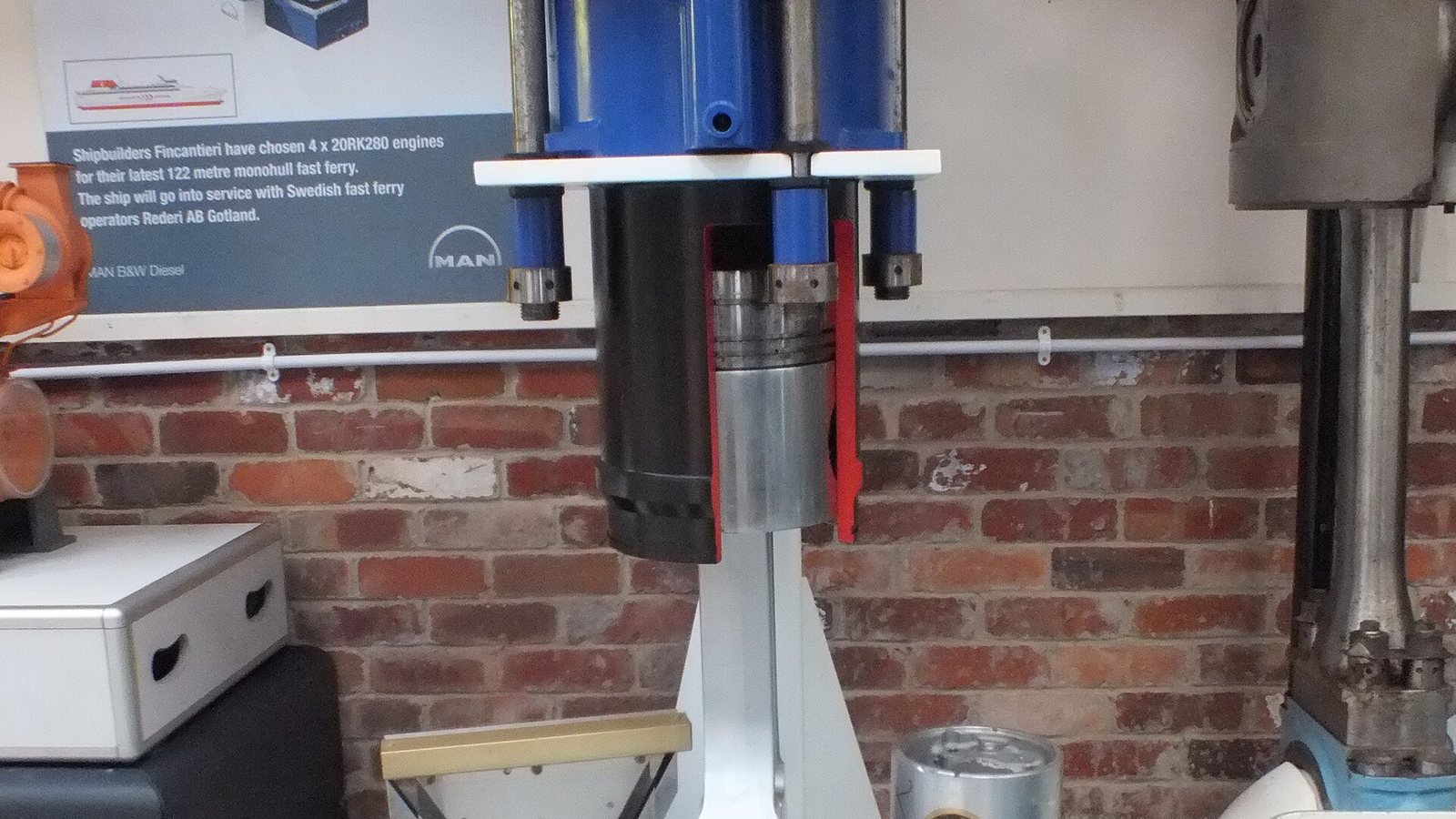
* Cylinder Liners: Check for glazing or vertical scoring. The D16 uses wet liners; ensure the seating area in the block is free of erosion.
* Cylinder Head: The D16 features a single-piece head. Check for flatness and inspect the valve seats. Given the high thermal loads, magnetic particle inspection (MPI) for hairline cracks between valve seats is recommended.
* Turbocharger: Inspect the compressor wheel for erosion and the turbine housing for heat-induced cracking.
2. The Overhaul Schedule and Logic
A standard major overhaul for a D16 typically requires 5 to 7 days of pier-side time, assuming all parts are staged and specialized tools are available.
Days 1-2: Disassembly and Measurement
Removal of cooling system, turbocharger, and cylinder head. Measurement of liner protrusion and crankshaft end-play.
Days 3-4: Component Replacement
Installation of new cylinder kits (pistons, rings, liners) and rod bearings. Ensuring the correct torque-to-yield sequence for the D16 head bolts is critical to prevent future gasket leaks.
Days 5-7: Reassembly and Sea Trials
Reinstalling fuel systems and cooling circuits, followed by a controlled break-in procedure.
3. Recommended Overhaul Intervals and Part Kits
While the Volvo Penta D16 manual provides generic intervals, marine environments often demand proactive intervention.
| Component | Action | Typical Interval (Hours) |
|---|---|---|
| Fuel Injectors | Test/Replace | 8,000 |
| Turbocharger | Inspect/Rebuild | 10,000 |
| Cylinder Kits | Replace | 15,000 - 20,000 |
| Main/Rod Bearings | Replace | 15,000 - 20,000 |
| Raw Water Pump | Overhaul | 4,000 |
When ordering parts, focus on the D16 Major Overhaul Kit. This kit typically includes cylinder liners, pistons, ring sets, a complete gasket set (upper and lower), and main/con-rod bearings. Utilizing a single kit part number reduces administrative errors and ensures all necessary O-rings and seals are present.
4. The Criticality of Genuine OEM Spares
The Volvo Penta D16 operates with high peak firing pressures to meet modern emission and efficiency standards. Non-genuine or "will-fit" parts often fail to meet the metallurgical standards required for these stresses.
Specifically, the D16’s EMS (Engine Management System) relies on precise tolerances. Using non-genuine injectors or sensors can lead to improper combustion timing, resulting in increased soot loading and premature turbocharger failure. Furthermore, genuine liners are treated to resist cavitation—a common killer of D16 engines if the coolant chemistry or liner quality fluctuates. Investing in OEM parts is effectively an insurance policy against premature secondary failure.
5. Logistical Coordination for Port Calls
For fleet managers, the greatest challenge is not the engineering, but the logistics. A D16 overhaul kit is heavy and requires specialized handling.
* Advance Ordering: Lead times for complete D16 overhaul kits can vary. Secure parts at least 4-6 weeks before the scheduled docking.
* Consolidated Shipping: Ensure all gaskets and bearings are shipped in a single consignment. Missing a single thrust washer can halt an entire overhaul.
* Specialized Tooling: The D16 requires specific pullers for the liners and injectors. Verify the attending service team has the Volvo Penta-specific tool kit to avoid damaging the engine block.
Expert Support for Your Volvo Penta Fleet
Planning a major overhaul for a Volvo Penta D16 requires balancing technical precision with logistical efficiency. By identifying wear patterns early and sourcing high-quality components, you ensure the longevity of your vessel’s power plant.
MarineLink Solutions specializes in supporting ship superintendents with technical expertise and the rapid delivery of genuine marine engine components. Whether you are planning a scheduled overhaul or managing an emergency repair, our team is ready to streamline your supply chain. Contact MarineLink Solutions today for a comprehensive quote on D16 overhaul kits and technical support.
Need Spare Parts?
MarineLink Solutions supplies genuine parts for all major marine engine brands. Contact us for a fast, competitive quote.
Request a Quote