Optimizing Critical Spare Stocks to Minimize Vessel Downtime
The Financial Impact of Unplanned Downtime
For ship superintendents and fleet managers, the cost of a vessel being 'off-hire' far exceeds the price of any individual component. When a critical system fails mid-voyage or during a tight port turnaround, the compounding costs of emergency logistics, technician travel, and missed charter obligations can reach tens of thousands of dollars per day.
Reducing vessel downtime requires shifting from a reactive 'order-as-needed' mindset to a proactive critical spare part stocking strategy. This guide outlines how to audit your inventory and ensure your vessel is equipped to handle high-probability mechanical failures without waiting for shore-side support.
Identifying 'Critical' vs. 'General' Spares
Not every bolt is a critical spare. To optimize your budget and storage space, parts should be categorized based on their impact on vessel operability and lead time availability.
1. Category A: Critical (No Redundancy)
These are components whose failure results in immediate loss of propulsion, steering, or power generation.
2. Category B: High-Wear (Predictable Failure)
Recommended Critical Stocking Levels
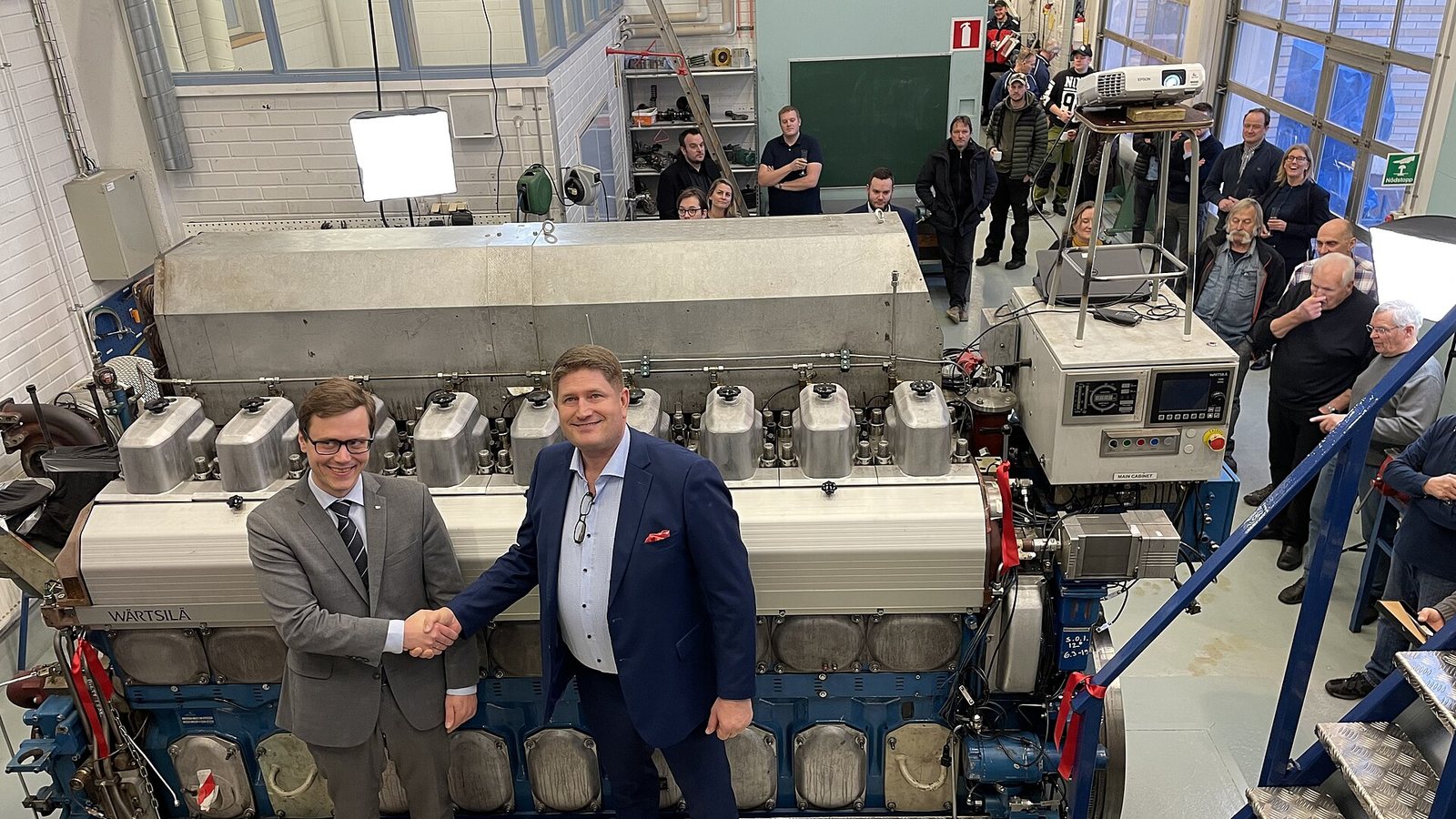
Based on typical maintenance intervals for medium-speed engines (e.g., Wärtsilä, Mauser, or Himsen units), the following onboard stock is recommended for a standard 6-month deployment:
| Component | Minimum Onboard Quantity | Replacement Trigger |
|---|---|---|
| Fuel Injectors (Complete) | 1 Full Engine Set + 2 | Post-testing failure |
| Cylinder Head Repair Kit | 2 Full Sets | Every 2,000 hrs |
| Turbocharger Bearing Kits | 1 Set | Per Manufacturer Manual |
| Main Bearing Shells | 1 Upper / 1 Lower | Emergency inspection |
| Indicator Valves | 2 Units | Carbon fouling/leaks |
The Role of Genuine Parts in Reliability
While the temptation to use non-genuine 'will-fit' parts is high during budget reviews, the technical risks often outweigh the savings. Genuine OEM or High-Quality OES (Original Equipment Supplier) parts ensure that metallurgical properties match the engine's design specifications.
For example, using non-genuine fuel injector nozzles can lead to incorrect spray patterns, resulting in localized hot spots on the piston crown. This eventually leads to cracked pistons—a failure that requires a much more expensive and time-consuming repair than the initial savings provided by the cheaper nozzle. MarineLink Solutions prioritizes sourcing parts that meet or exceed class requirements to ensure that when a spare is pulled from the shelf, it performs exactly as intended.
Strategic Inventory Management for Fleet Managers
To effectively manage stocks across a fleet, superintendents should implement the following protocols:
Digital Inventory Syncing
Ensure the Chief Engineer’s Planned Maintenance System (PMS) is synced with the office procurement portal. Every time a spare is consumed for a 'Routine Maintenance' task, an automated alert should trigger for the procurement team to verify lead times and current pricing.
The 'Critical Spare' Audit
Twice a year, conduct a physical audit that goes beyond the PMS numbers. Verify the condition of the spares. Parts stored in humid engine room environments can suffer from corrosion even if they are 'new' in the box. Ensure all critical rubber components (O-rings, diaphragms) are within their shelf-life limits.
Emergency Logistics Pre-Planning
Identify 'high-risk' ports on your vessel’s route. If a vessel is trading in regions with poor logistics infrastructure, the onboard critical stock should be increased by 25-30% to account for the difficulty of getting parts delivered to the quay.
Reducing Lead Time Through Strategic Partnerships
Lead time is the silent killer of vessel schedules. By maintaining a relationship with a technical supplier like MarineLink Solutions, fleet managers can leverage 'Forward Stocking' agreements. This allows for critical components to be staged in key maritime hubs (Singapore, Rotterdam, Houston), ensuring that even if a part isn't on the ship, it is only a few hours away rather than weeks.
Conclusion
Reducing vessel downtime is a calculation of risk vs. readiness. By identifying high-impact components, maintaining a disciplined onboard inventory, and insisting on genuine quality, marine engineers can ensure that a minor component failure doesn't turn into a major operational crisis.
Need to audit your vessel's critical spare list? Contact MarineLink Solutions today for technical guidance on sourcing and stocking the essential components your fleet needs to stay on schedule.
Need Spare Parts?
MarineLink Solutions supplies genuine parts for all major marine engine brands. Contact us for a fast, competitive quote.
Request a Quote