Reducing Vessel Downtime: Critical Spare Part Stocking Guide
The Cost of Reactive Maintenance in Global Shipping
For ship superintendents and fleet managers, the most expensive spare part is the one that is not on board when a critical failure occurs. In the current maritime landscape, characterized by volatile supply chains and increasing port congestion, relying on 'just-in-time' procurement for mission-critical components is a high-risk strategy. Vessel downtime, or Off-Hire, can cost ship owners anywhere from $20,000 to over $100,000 per day depending on the vessel type and charter rates.
To mitigate these risks, MarineLink Solutions advocates for a transition from reactive purchasing to a strategic Critical Spare Part Stocking (CSPS) model. This guide outlines how to identify, categorize, and manage the technical inventory required to keep vessels operational.
Identifying 'Vessel Stoppers': The Criticality Matrix
Not every component deserves a spot in the onboard locker. A technical assessment must prioritize parts based on two factors: the impact on vessel propulsion/safety and the lead time for procurement.
1. High-Criticality Components (The Vessel Stoppers)
These are parts whose failure results in immediate loss of propulsion, steering, or power generation.
2. Long Lead-Time Components
Even non-critical parts become critical if they take 6-12 weeks to manufacture. This includes bespoke castings, specific crankshaft bearings, and oversized liners for older engine models like the Sulzer RTA series.
Technical Inventory Checklist for Engine Room Reliability
Based on operational data, the following components should be maintained at a minimum 'Safety Stock' level to ensure 99% uptime during long-haul voyages:
* Cylinder Head Components: Complete valve spindles, seats, and springs. For the MaK M32C, ensuring at least two fully assembled cylinder heads are ready for immediate exchange can reduce an overhaul window by 24 hours.
* Fuel System: A complete set of overhauled fuel injectors (tested and calibrated) and at least one complete fuel injection pump per engine.
* Seals and O-Rings: Comprehensive kits for charge air coolers, lube oil filters, and centrifugal purifiers. Part numbers such as the MAN 51.96501-0XXX series for gaskets must be verified against the specific engine serial number.
* Electrical/Automation: Fuses, relays, and pre-programmed I/O modules for the Alarm Monitoring System (AMS).
Maintenance Intervals and Stock Rotation
Stocking parts is only effective if the parts remain in usable condition. Fleet managers must implement a rotation policy within their Planned Maintenance System (PMS).
| Component Type | Onboard Stock Level | Inspection/Rotation |
|---|---|---|
| Fuel Injectors | 100% of one engine bank | Every 2,000 hours (Rotation) |
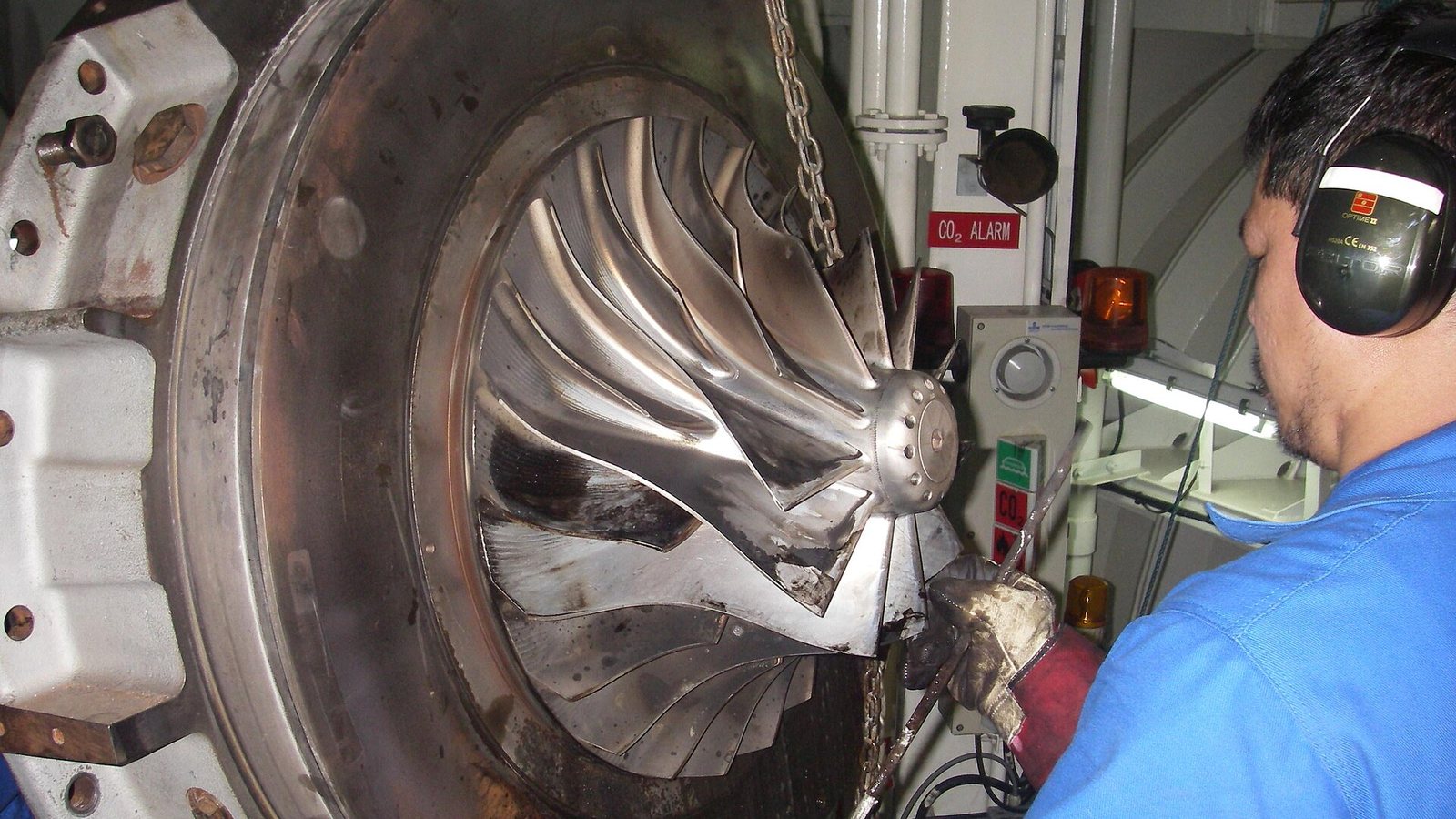
| Turbocharger Bearings | 1 Full Set | Check shelf-life of lubricants every 12 months |
| Cylinder Liners | 1-2 Units | Monthly anti-corrosion coating check |
| Hydraulic Hoses | Critical sizes (2m lengths) | Replace if stored > 5 years |
The Technical Case for Genuine Spare Parts
While non-genuine or 'will-fit' parts may offer lower upfront costs, the technical risks often outweigh the savings. In critical systems like the MAN B&W fuel booster pump or Wärtsilä cylinder lubrication systems, dimensional tolerances are measured in microns.
Substandard metallurgical compositions in non-genuine exhaust valves can lead to premature seat recession or, in worst-case scenarios, valve head separation. When a valve drops into the combustion chamber, the resulting damage to the piston, liner, and turbocharger will cost hundreds of thousands of dollars—far exceeding the savings from the cheaper part. Genuine parts ensure that the thermal expansion coefficients and hardness ratings match the original design specifications, maintaining the engine's TBO (Time Between Overhaul).
Logistics and Strategic Forward Stocking
Stocking doesn't always mean carrying everything on the vessel. MarineLink Solutions recommends a 'Hub and Spoke' model:
By coordinating with a technical partner like MarineLink Solutions, fleet managers can ensure that 'Hub' stock is pre-cleared for customs and ready for last-mile delivery via launch boat the moment a vessel arrives, effectively reducing the time spent in port.
Conclusion: Building a Resilient Fleet
Reducing vessel downtime is a technical challenge that requires a disciplined approach to inventory. By identifying high-criticality components, maintaining a strict rotation schedule, and insisting on genuine spares, superintendents can ensure that their vessels remain profitable and compliant with international safety standards.
Is your fleet prepared for the next unexpected component failure? Contact MarineLink Solutions today for a comprehensive technical audit of your critical spare part inventory and let us help you build a customized stocking strategy that eliminates Off-Hire risks.
Need Spare Parts?
MarineLink Solutions supplies genuine parts for all major marine engine brands. Contact us for a fast, competitive quote.
Request a Quote