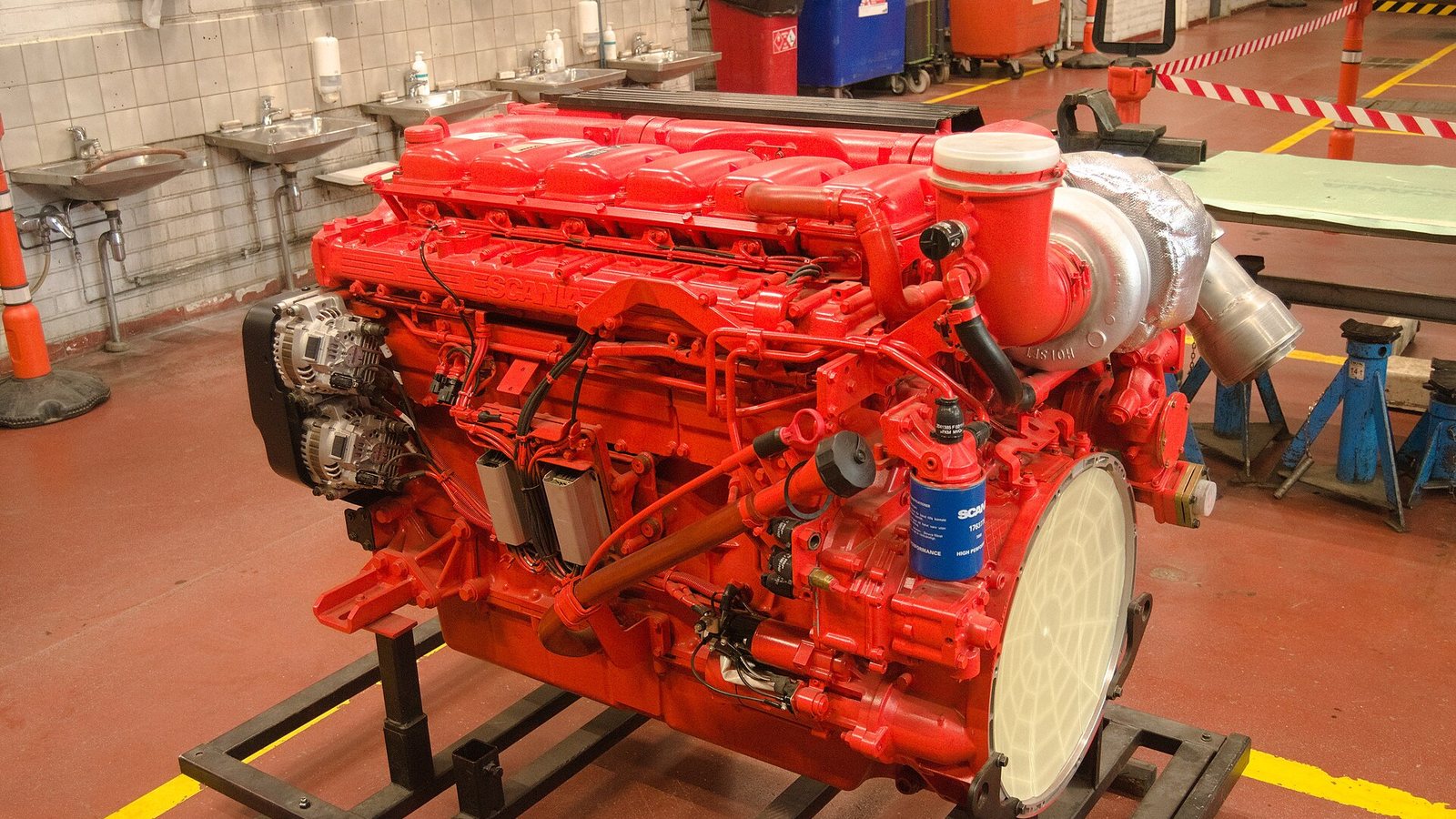
Procuring Genuine Marine Spares: Technical Port Call Strategies
Navigating the Challenges of Port-Call Procurement
For ship superintendents and marine engineers, the port call represents a high-stakes race against the clock. When a vessel is scheduled for a 24-hour turnaround, the margin for error in spare part procurement is zero. Sourcing genuine components—such as fuel injection pumps for a Wärtsilä 32 or main bearings for a MAN B&W—requires more than just a purchase order; it requires a technical strategy to ensure compatibility, quality, and regulatory compliance.
Inland logistics, customs delays, and the prevalence of sub-standard 'will-fit' parts can jeopardize engine reliability. This guide outlines the technical framework for securing genuine OEM spares efficiently during brief port stays.
The Technical Case for Genuine Components
Using non-genuine parts in critical engine systems introduces metallurgical and dimensional variances that lead to catastrophic failure. Genuine parts are manufactured to the specific tolerances (often within microns) required for high-pressure environments.
Strategic Sourcing Workflow
1. Pre-Arrival Verification (T-Minus 72 Hours)
Before the vessel reaches the pilot station, the technical team must verify the exact Part Numbers against the engine’s specific Serial Number. Cross-referencing the Illustrated Parts Catalog (IPC) is mandatory to account for any engineering changes (ECs) or superseded part numbers.
* Required Data: Engine Model, Serial Number, Build Spec, and exact Running Hours.
* Action: Request Certificates of Conformity (CoC) and Class certificates (LR, DNV, ABS) from the supplier before the parts leave the warehouse.
2. Supply Chain Transparency
Avoid 'grey market' components by demanding a clear chain of custody. Genuine spares sourced through authorized channels like MarineLink Solutions come with verifiable documentation that tracks the part from the factory to the quay.
3. Last-Mile Logistics Management
Port congestion can delay a delivery by hours, potentially missing the vessel's departure. Coordinate with a local agent who understands the technical urgency of 'Vessel in Port' (VIP) status. Ensure the delivery vehicle has the necessary permits to access the terminal or that a barge is scheduled for anchorage delivery.
Critical Spare Parts Check-List for Port Calls
When sourcing during a port call, prioritize these high-wear components that often require immediate replacement during routine inspections:
| Component Type | Common Part/Kit | Maintenance Interval (Typical) |
|---|---|---|
| Fuel Injection | Injector Nozzles, Plunger & Barrel | 8,000 – 12,000 Hours |
| Turbocharger | Bearing Kits, O-rings, Sealing Bushings | 12,000 – 25,000 Hours |
| Cylinder Head | Intake/Exhaust Valves, Valve Seats | 12,000 – 16,000 Hours |
| Filtration | Centrifugal Oil Filters, Duplex Inserts | 500 – 1,000 Hours |
| Sealing | Cylinder Head Gasket Sets | Upon every head removal |
Mitigating the Risk of Substandard Parts
During a port call, the pressure to accept whatever arrives at the gangway is high. However, superintendents should perform a 'Quick-Audit' upon receipt:
* Packaging: Genuine parts are almost always vacuum-sealed or treated with VCI (Volatile Corrosion Inhibitor) paper and housed in branded, sturdy packaging.
* Markings: Look for etched QR codes, holographic stickers, or specific casting marks that indicate OEM production.
* Physical Inspection: Inspect for machining burrs or inconsistent finishes which are hallmarks of low-quality alternatives.
Optimizing Logistics for Brief Stays
To minimize downtime, consider the 'Kit' approach. Rather than sourcing individual O-rings and gaskets, procure complete service kits (e.g., a 12,000-hour major overhaul kit for a Scania DI13). This ensures all peripheral consumables are present, preventing a scenario where a $50,000 repair is halted by a missing $5 copper washer.
Furthermore, leveraging a global partner with regional hubs allows for 'Forward Stocking.' By knowing your vessel's route, MarineLink Solutions can position critical spares at the next port of call before your vessel even departs its current location.
Conclusion: Precision Procurement
Sourcing genuine marine spares during port calls is a technical discipline that requires foresight and a robust supply chain. By insisting on OEM quality and verified documentation, fleet managers protect their assets from premature wear and expensive secondary failures.
At MarineLink Solutions, we specialize in the rapid deployment of genuine engine components for MaK, MAN, Wärtsilä, Cummins, and other leading brands. Our technical team ensures that every part delivered to your gangway meets the exact specifications required for your specific engine build. Contact MarineLink Solutions today to streamline your fleet’s technical procurement and ensure your next port call is a success.
Need Spare Parts?
MarineLink Solutions supplies genuine parts for all major marine engine brands. Contact us for a fast, competitive quote.
Request a Quote