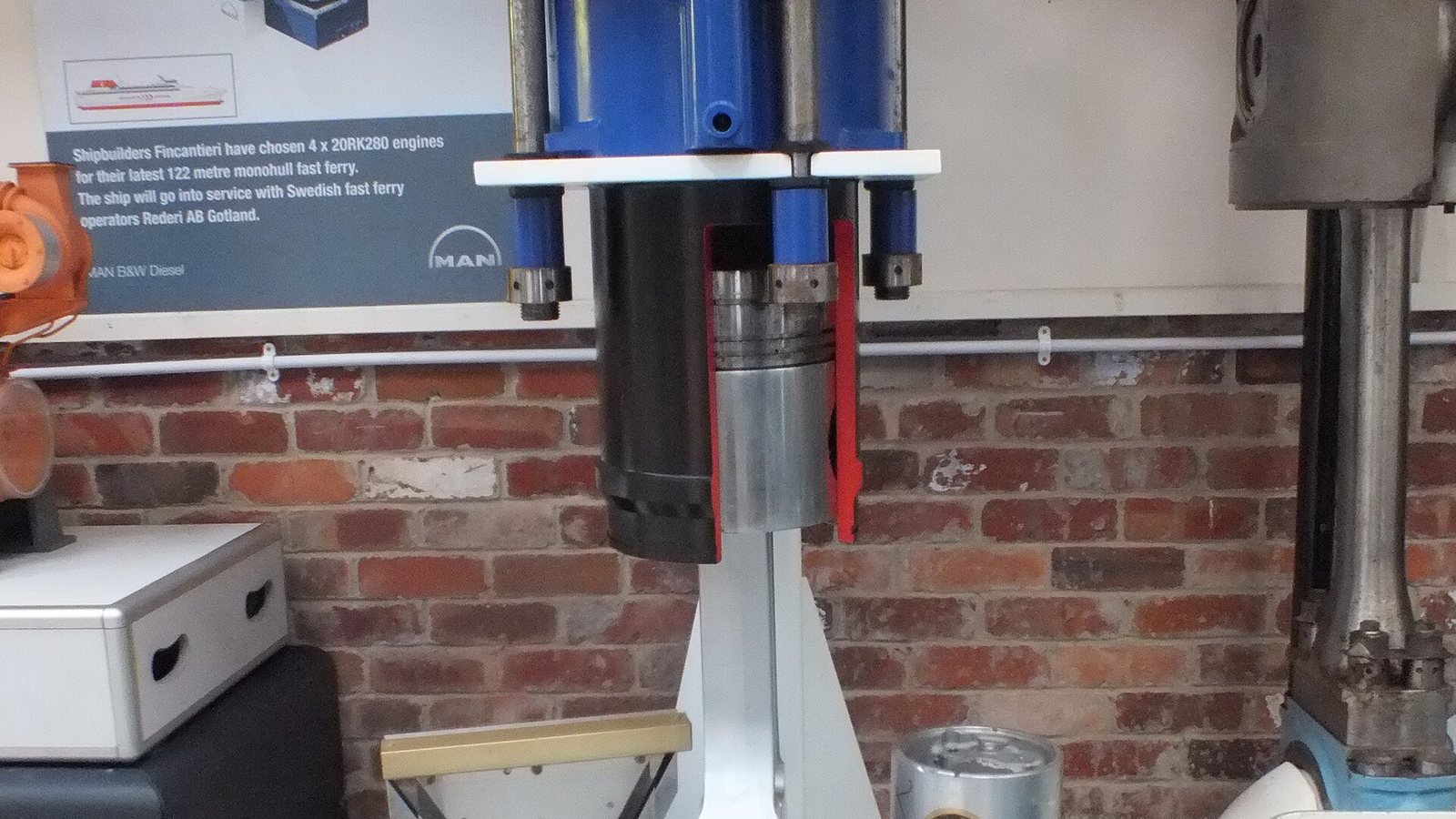
Sulzer RTA Piston Ring Wear: A Technical Diagnostic Guide
# Sulzer RTA Piston Ring Wear Diagnostics: A Superintendent’s Technical Guide For two-stroke engines like the Sulzer RTA series, the piston ring and liner interface is the single most critical factor in determining Time Between Overhaul (TBO). Managing wear in these components is not merely about extending part life; it is about maintaining gas tightness, preventing scavenge fires, and optimizing specific fuel oil consumption (SFOC). This guide details the technical indicators of ring distress and the diagnostic steps required for fleet managers and chief engineers.
1. Visual Indicators During Scavenge Port Inspections
The scavenge port inspection remains the frontline of Sulzer RTA diagnostics. When the engine is barred over, engineers must look for specific wear patterns on the ring surface and the visible part of the piston crown.
* Polished Areas (Cold Corrosion): A mirror-like finish on the ring surface often indicates acidic corrosion from low-load operations where liner temperatures drop below the dew point of sulfuric acid.
* Vertical Scoring: Deep vertical grooves suggest abrasive wear, potentially from catalytic fines (cat fines) in the fuel or degraded cylinder oil film.
* Blackening (Blow-by): If the ring surface shows dark patches or carbon deposits, it indicates that combustion gases are leaking past the ring. This "blow-by" destroys the lubricant film and leads to rapid liner wear.
* Ring Tension: Using a feeler gauge or a simple manual probe, check for ring movement. A "stuck" ring is a precursor to catastrophic liner scuffing.
2. Quantitative Wear Measurements
Subjective visual checks must be backed by hard data. For RTA engines, tracking the Radial Wear Rate is mandatory.
Cloverleafing Patterns
Liner wear is rarely uniform. Marine engineers should monitor for "cloverleafing," where wear is accelerated at the points between the lubrication quills. If the maximum wear exceeds 0.1 mm per 1,000 hours, immediate adjustment of the cylinder oil feed rate or BN (Base Number) is required.
Ring Grooves
Inspect the vertical clearance of the rings within the piston grooves.
* Standard Clearance: Typically between 0.40mm and 0.50mm depending on the specific RTA bore size.
* Limit: If the vertical clearance exceeds 0.80mm - 1.0mm, the "pumping effect" of the ring increases, leading to higher oil consumption and potential breakage.
3. Maintenance Intervals and Operational Indicators
While the standard TBO for Sulzer RTA piston pulling is often set around 12,000 to 16,000 hours, actual conditions should dictate the schedule.
| Indicator | Action | Threshold |
|---|---|---|
| Scavenge Air Temp | Investigate | > 10% above baseline |
| Cylinder Oil Scrape-down Analysis | Adjust BN/Feed Rate | Fe content > 200 ppm |
| Compression Pressure | Schedule Overhaul | > 15% drop compared to sea trials |
| Liner Wear Rate | Critical Intervention | > 0.4mm / 1000h |
4. The Role of Cylinder Lubrication Feed Rates
Modern low-sulfur fuels (VLSFO) have changed the diagnostic landscape for RTA engines. The transition from high-BN oils to lower-BN lubricants requires precise calibration of the Pulse Lubricating System (PLS). Over-lubricating leads to calcium carbonate deposits (which are abrasive), while under-lubricating leads to adhesive wear (scuffing).
We recommend a baseline feed rate of 0.8 to 1.2 g/kWh, adjusted based on frequent scrape-down analysis results.
5. Why Genuine Parts and Precision Matter
The Sulzer RTA series utilizes specific ring coatings, such as Cermet (Ceramic-Metallic) or Alu-coat, designed to facilitate a controlled running-in period.
Using non-genuine or "will-fit" rings often results in a hardness mismatch between the ring and the liner. If the ring is harder than the liner wall, it will accelerate liner wear, a repair that costs ten times more than a set of genuine rings. Genuine parts ensure that the thermal expansion coefficients and the plasma-coated running surfaces meet the original OEM design specifications for heat dissipation and oil retention.
6. Diagnostic Summary
Effective Sulzer RTA maintenance relies on:
Proactive diagnostics prevent the transition from "normal wear" to "catastrophic failure," ensuring the vessel remains on charter and out of the emergency repair yard.
Contact MarineLink Solutions
Optimizing your Sulzer RTA engine performance requires more than just parts; it requires technical expertise and a reliable supply chain. MarineLink Solutions specializes in sourcing high-quality Sulzer-compatible components and providing technical consultancy for fleet-wide maintenance programs.
Contact our technical team today for a consultation on your engine wear data or to source Piston Ring Sets (Part No. examples: K90105, K90112) for your next scheduled overhaul.
Need Spare Parts?
MarineLink Solutions supplies genuine parts for all major marine engine brands. Contact us for a fast, competitive quote.
Request a Quote