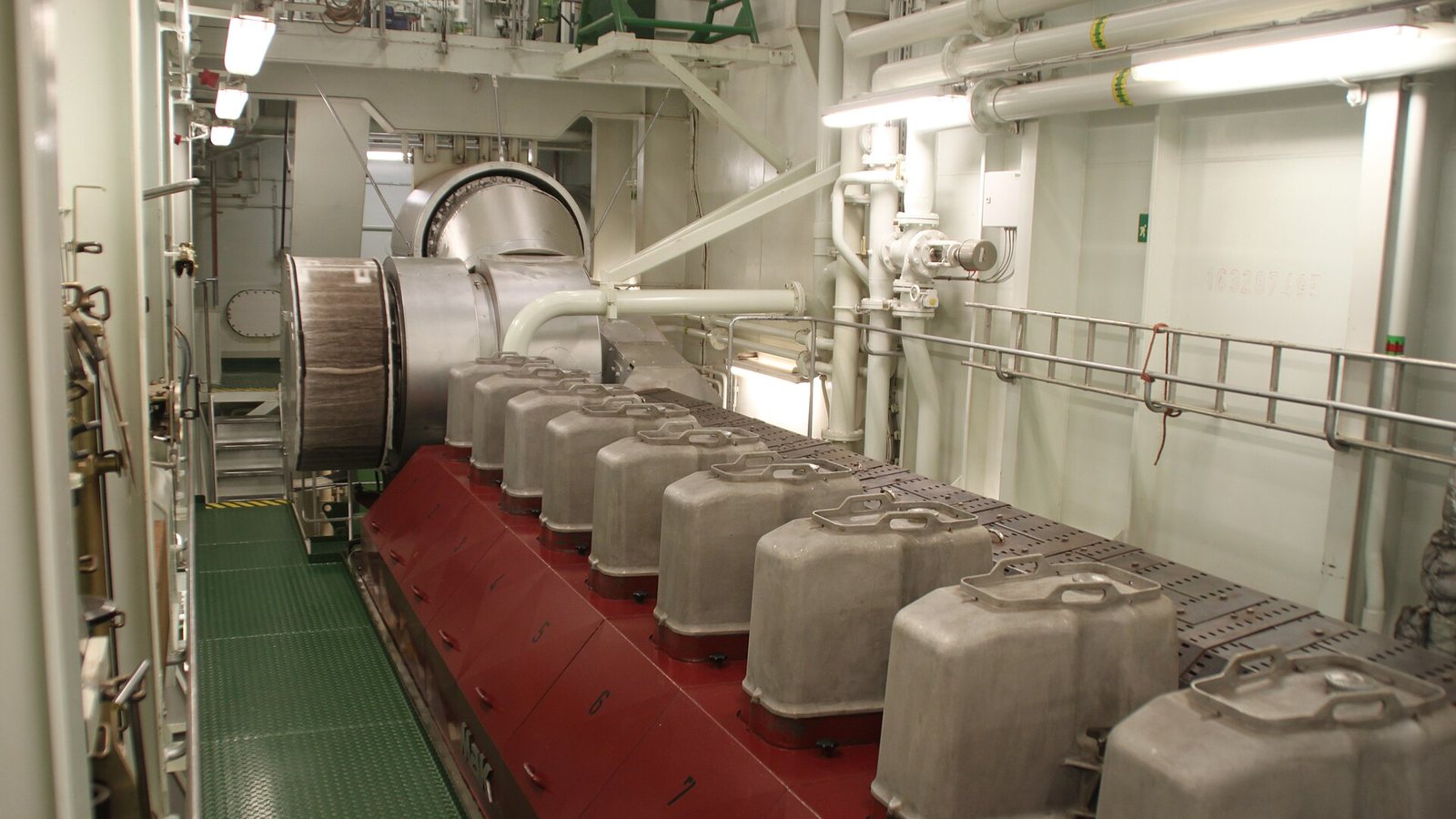
Sulzer RTA Piston Ring Groove Wear: Technical Diagnostics
Introduction to Sulzer RTA Ring Dynamics
In the Sulzer RTA series—ranging from the RTA48 to the RTA96—the piston ring pack is the primary barrier between combustion pressure and the crankcase. While surface wear on the ring face is frequently monitored, the condition of the piston ring grooves is often overlooked until significant blow-by or ring breakage occurs. For ship superintendents and chief engineers, diagnosing the relationship between groove geometry and ring health is critical to extending Time Between Overhauls (TBO).
Effective diagnostics require moving beyond simple visual inspections to a quantitative analysis of axial clearances and groove deformation. This guide focuses on identifying the specific wear patterns unique to the RTA crosshead design and implementing a data-driven maintenance strategy.
Identifying Symptoms of Excessive Ring Wear
Diagnostic indicators on a Sulzer RTA engine are typically identified through scavenge port inspections or automated performance monitoring. Engineers should prioritize the following observations:
* Blackened Ring Landings: High levels of carbon deposit or 'black spots' on the lands suggest combustion gas leakage (blow-by), indicating that the rings are no longer sealing effectively against the groove or the liner.
* Ring Collapsing: If the radial tension of the ring is lost, it will fail to maintain contact with the liner wall. During inspection, a ring that does not 'spring' when pressed with a copper bar is critically worn.
* Groove Micrometers: Measuring the vertical (axial) clearance. For a standard RTA engine, the initial clearance for the top ring (typically a K-type or Chrome-ceramic coated ring) is significantly different from the lower rings.
* Port Deposits: Excessive oily sludge in the scavenge air receiver often points to poor scraping efficiency by the lower rings or excessive cylinder oil feed rates attempting to compensate for ring wear.
Quantitative Diagnostic Protocols
1. Axial Clearance Measurements
Axial clearance is the most reliable predictor of ring stability. As the piston ring groove wears, it tends to develop a 'trumpet' shape (wider at the outer edge).
* Standard Limits: For most RTA bores, the maximum permissible axial clearance for the top ring is typically 0.80mm to 1.00mm, depending on the specific engine sub-type. If the clearance exceeds the manufacturer's limit by more than 20%, the risk of ring breakage due to 'flutter' increases exponentially.
* Measurement Method: Use long-reach feeler gauges at four points around the circumference. Ensure the piston is at a position where the ring is resting flat on the lower landing of the groove.
2. Radial Wear Rates
Radial wear should be tracked against running hours. A healthy RTA engine typically exhibits a radial wear rate of 0.02mm to 0.05mm per 1000 hours. Rates exceeding 0.10mm per 1000 hours indicate either a lubrication failure, abrasive fuel contaminants (catalytic fines), or 'cold corrosion' resulting from liner temperatures falling below the sulfuric acid dew point.
The Role of Piston Ring Coating Integrity
Modern Sulzer RTA engines utilize specific coatings to handle high peak pressures. The diagnostic process must include an assessment of:
* Geral 2000 or Plasma Coatings: Check for peeling or 'spalling'. If the coating is missing in patches, the base cast iron will wear rapidly, leading to scuffing.
* Running-in Coatings: Copper or soft-phase coatings are designed to wear away. If these are still present after 2000 hours, it may indicate the rings are not properly seated, potentially due to glazed liners.
Actionable Maintenance Intervals
Based on fleet performance data, MarineLink Solutions recommends the following diagnostic schedule for Sulzer RTA units:
| Task | Interval | Critical Metric |
|---|---|---|
| Scavenge Port Inspection | Every 500-1,000 Hours | Ring movement and surface condition |
| Axial Clearance Check | During every piston pull | Max 0.8 - 1.0mm (Engine dependent) |
| Liner Calibration | During every piston pull | Ovality < 0.05% of bore diameter |
| Piston Ring Renewal | 12,000 - 16,000 Hours | Dependent on radial wear limits |
The Importance of Genuine Components
When diagnostics reveal the need for replacement, the choice of spare parts is the single largest factor in determining the next TBO. The Sulzer RTA engine relies on precise metallurgy for its piston rings to prevent liner scuffing.
Non-genuine rings often lack the specific graphite morphology required to retain cylinder oil under high pressure. Furthermore, improper groove inserts or re-conditioning of piston crowns using sub-par welding materials can lead to catastrophic ring land failure. Utilizing OEM-spec rings ensures that the thermal expansion coefficients match the piston crown, preventing ring sticking at high loads.
Conclusion
Successful management of Sulzer RTA piston ring wear requires a shift from reactive replacement to proactive diagnostic monitoring. By accurately measuring axial clearances and identifying the root causes of radial wear—whether chemical or mechanical—fleet managers can significantly reduce the risk of unscheduled downtime.
For technical assistance in sourcing genuine Sulzer RTA components or to consult on complex wear patterns, contact MarineLink Solutions. Our team specializes in providing high-specification marine spares and technical expertise to keep your fleet operational in the most demanding conditions.
Need Spare Parts?
MarineLink Solutions supplies genuine parts for all major marine engine brands. Contact us for a fast, competitive quote.
Request a Quote