Sourcing Genuine Marine Spares: A Superintendent's Port Call Guide
The Logistics Challenge of Port Call Procurement
For ship superintendents and fleet managers, a port call is a high-pressure window where logistics, technical requirements, and tight schedules intersect. Procuring genuine spare parts—such as fuel injectors for a Wärtsilä 32 or critical seals for an Alfa Laval purifier—demands more than just a purchase order. It requires a strategic approach to supply chain integrity to ensure that the components delivered to the vessel are authentic, warrantied, and compliant with class requirements.
While the temptation to use local 'equivalent' parts is high when a vessel is departing in 12 hours, the long-term risks of non-genuine components far outweigh the immediate convenience. This guide outlines a technical protocol for securing OEM reliability under the pressure of a port stay.
Why Genuine Parts are Non-Negotiable
Marine engines and auxiliary systems operate under extreme thermal and mechanical loads. Genuine parts are manufactured to precise metallurgical specifications that third-party replicators often cannot match. For example, an OEM piston ring for a MAN B&W engine features specific plasma coatings designed for compatibility with the cylinder liner’s metallurgy. Using a non-genuine alternative can lead to accelerated liner wear, scuffing, and eventually, a catastrophic failure that costs significantly more than the initial savings.
Furthermore, genuine parts come with the manufacturer’s warranty and the assurance that they meet the latest design revisions. Often, an OEM will update a part number to resolve a known field issue; sourcing through authorized channels like MarineLink Solutions ensures you receive the most current iteration of the component.
The Technical Audit: Vetting Suppliers in Transit
When a vessel is calling at a secondary port where your primary supplier lacks a physical warehouse, you must vet the local vendor rigorously. Use this checklist before confirming the order:
* Documentation Traceability: Demand a Certificate of Conformity (CoC) and, where applicable, Class Certificates (LR, DNV, ABS). If a supplier cannot provide a paper trail back to the OEM factory, reject the part.
* Packaging Integrity: Genuine spares are shipped in branded, anti-corrosive packaging. Check for intact holographic seals on brands like Volvo Penta or Yanmar.
* Physical Inspection: Compare the weight, casting marks, and finishing of the new part against the replaced component. Non-genuine parts often show rougher machining marks or lack the embossed part numbers found on OEM casts.
Critical Components to Prioritize during Port Calls
During a standard port call, focus on high-turnover spares and critical wear items. Ensure these specific parts are sourced with 'Genuine' status:
Maintenance Intervals and Part Readiness
Proactive fleet managers do not wait for the port call to begin the search. Aligning your procurement with planned maintenance intervals (PMS) is essential. For most medium-speed engines, consider the following procurement lead times:
| Component Group | Service Interval (Hours) | Recommended Lead Time |
|---|---|---|
| Fuel Injectors | 2,000 - 4,000 | 4 Weeks |
| Turbocharger Overhaul | 8,000 - 12,000 | 8 Weeks |
| Cylinder Head Overhaul | 12,000 - 16,000 | 12 Weeks |
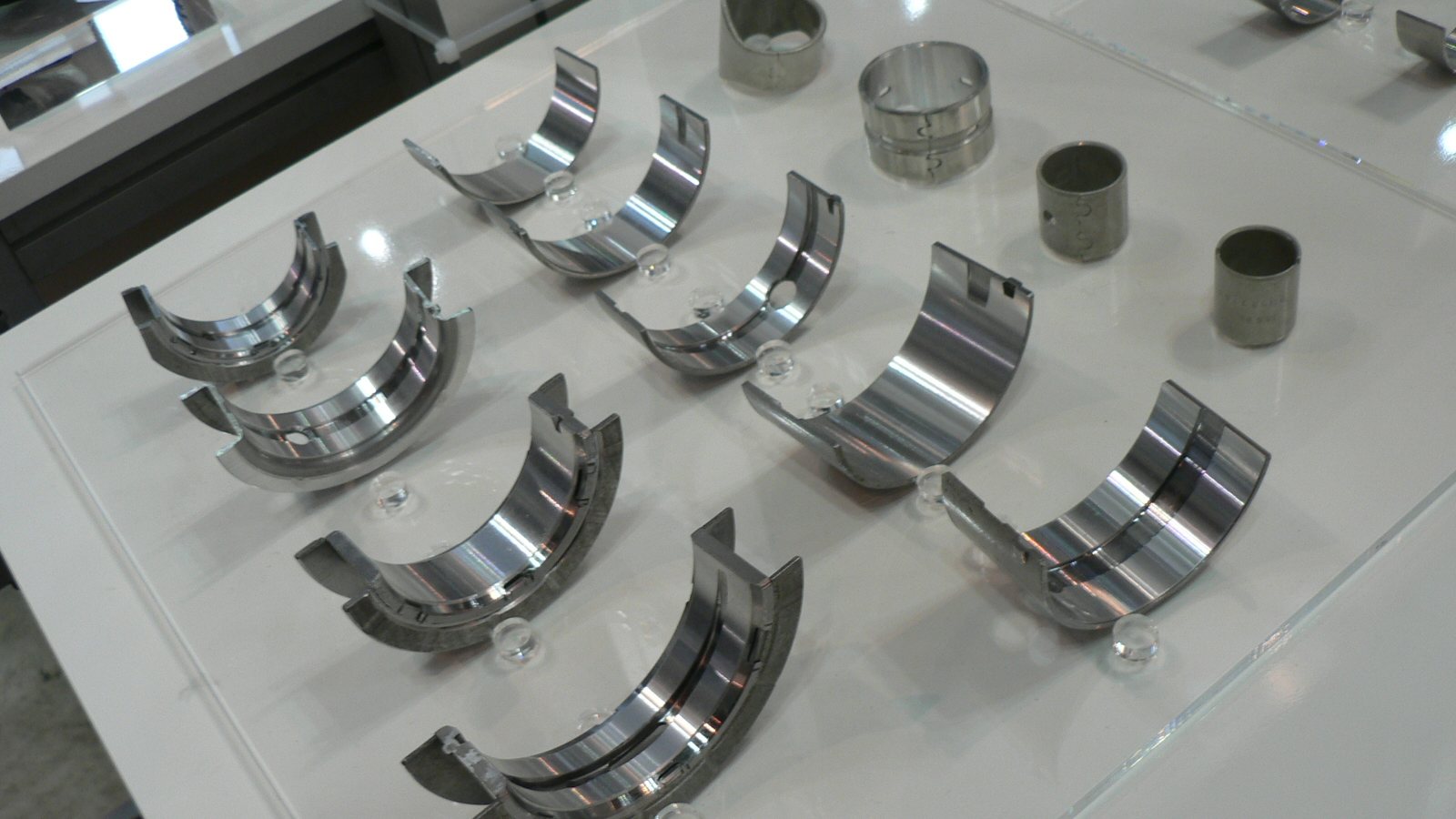
| Main Bearing Inspection | 24,000 - 32,000 | 16 Weeks |
Streamlining Last-Mile Logistics
The most common point of failure in sourcing is the 'last mile'—from the local warehouse to the vessel's manifold. To ensure the parts you ordered are the parts that arrive:
* Specify Delivery Terms: Ensure the delivery agent is familiar with the specific terminal's security protocols to avoid 'gate-out' delays.
* Digital Verification: Have the Chief Engineer photograph the received parts and their serial numbers immediately upon delivery. This creates a digital log that can be verified against the invoice by the superintendent at the home office.
* Consolidation: Whenever possible, use a single global partner like MarineLink Solutions to consolidate spares from multiple OEMs. This reduces the number of local agents and lowers the risk of counterfeit infiltration into the shipment.
Conclusion: Protecting the Asset
Sourcing genuine parts during a port call is an exercise in risk management. By prioritizing OEM quality, verifying documentation, and working with trusted supply chain partners, you protect the vessel’s operational uptime and resale value. In the maritime industry, the 'cheaper' part is almost always the most expensive in the long run.
At MarineLink Solutions, we specialize in the rapid deployment of genuine OEM spares to major ports worldwide. Our technical team understands the specific requirements of marine engineers because we speak your language. Contact us today for a quote on your next scheduled port call or emergency repair needs.
Need Spare Parts?
MarineLink Solutions supplies genuine parts for all major marine engine brands. Contact us for a fast, competitive quote.
Request a Quote