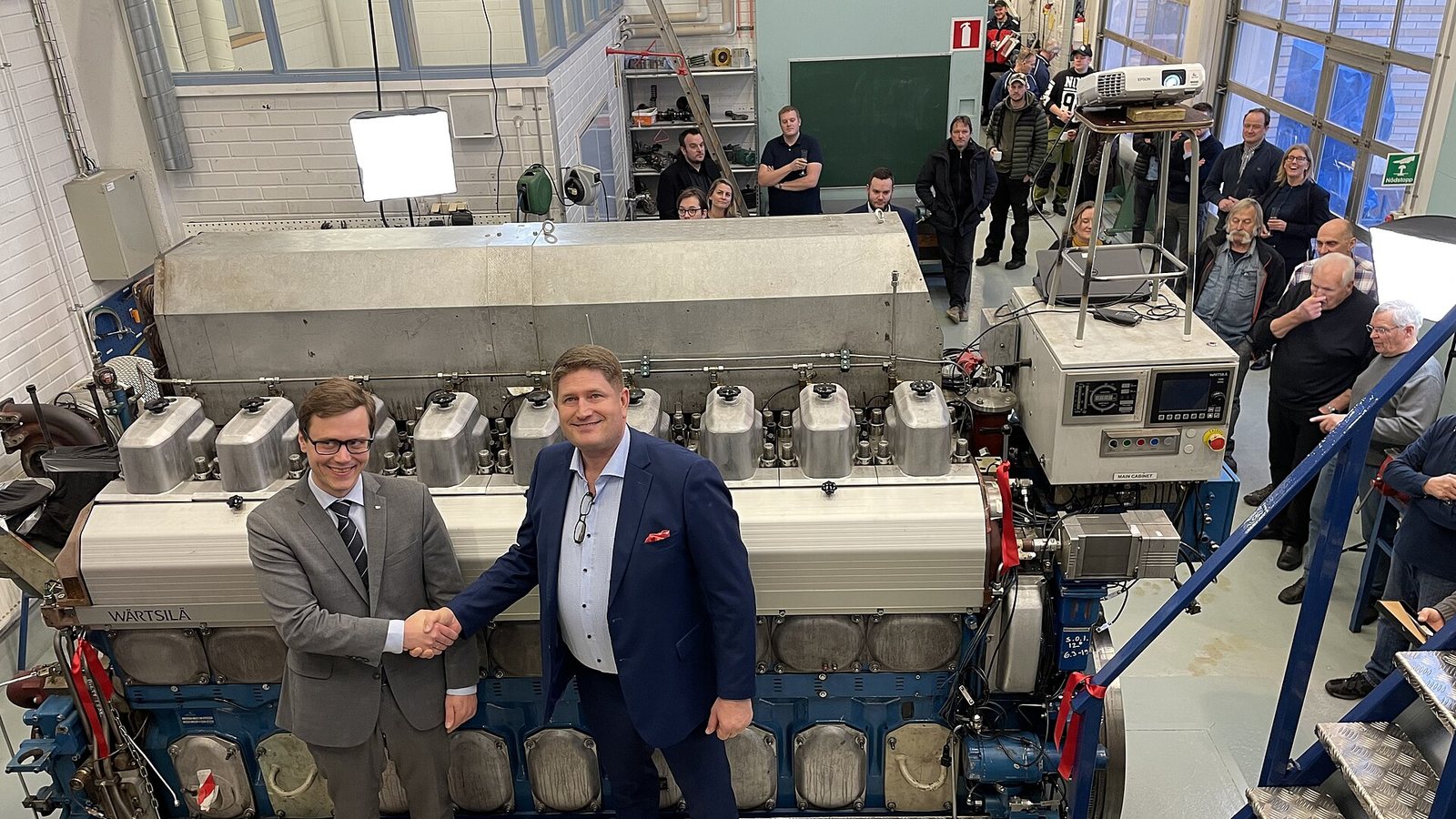
Exhaust Valve Seat Wear in Medium-Speed Marine Engines
Understanding Exhaust Valve Seat Recession (VSR)
In the high-pressure environment of a medium-speed marine engine, the exhaust valve and its corresponding seat represent one of the most critical thermal and mechanical interfaces. Exhaust valve seat wear, often termed Valve Seat Recession (VSR), is the gradual loss of material from the contact faces of the valve and the seat insert.
For fleet managers and superintendents, uncontrolled VSR leads to a loss of compression, increased Exhaust Gas Temperatures (EGT), and eventually, catastrophic valve failure or 'guttering.' This guide outlines the technical drivers of wear and the protocols required to extend component lifecycle.
Primary Mechanisms of Wear
Exhaust valve seat wear in engines like the Wärtsilä 32, Himsen H21/32, or MAN 32/40 generally stems from three distinct mechanisms:
Diagnostic Indicators for Marine Engineers
Engineers must monitor specific parameters to detect VSR before it necessitates an emergency head pull:
* Valve Spindle Rotation: Most modern medium-speed engines utilize 'Turnomatics' or winged rotators. If a valve stops rotating, localized hot spots develop, accelerating seat recession in one sector.
* Tappet Clearance Trends: A narrowing tappet clearance is a primary indicator that the valve is 'sinking' into the head. If clearances reach zero, the valve will not seat fully, leading to immediate burnout.
* EGT Deviation: An increase in EGT for a single cylinder often suggests gas leakage past the seat during the power stroke.
Maintenance Protocols and Intervals
To maximize the Mean Time Between Overhaul (MTBO), adhere to the following technical benchmarks:
1. The 2,000-Hour Inspection
Perform a visual inspection of the valve rotators and verify tappet clearances. In engines burning HFO, check for signs of 'cold corrosion' if the engine has been running at low loads for extended periods.
2. The 12,000 to 18,000-Hour Overhaul
At this interval, cylinder heads are typically pulled.
* Measurement: Use a depth gauge to measure the valve sinkage relative to the cylinder head flame side. Compare these against the manufacturer's 'Max Wear' limits (e.g., for a Wärtsilä 32, this is typically around 3.5mm to 4.0mm depending on the specific seat variant).
* Contact Pattern: Conduct a 'Blueing' test to ensure a minimum 80% contact area. The contact track should be centered on the seat; a track too close to the outer edge risks chipping.
3. Seat Grinding Limits
Only grind the minimum amount of material necessary to restore the seating surface. Over-grinding reduces the surface hardness layer (if the seat is stellite-faced) and changes the valve timing by altering the valve height.
The Role of Material Quality: Why Genuine Spares Matter
Medium-speed exhaust valve seats are not simple iron rings; they are sophisticated metallurgical components. High-performance seats often utilize Nimonic alloys or Stellite 6/12 overlays to withstand temperatures exceeding 700°C.
Non-genuine or 'will-fit' parts often fail to replicate the precise thermal expansion coefficients of the original equipment. A seat with improper thermal expansion may lose its interference fit at operating temperature, leading to seat rotation or dropout, which destroys the cylinder head and piston. Furthermore, inferior base materials lack the hot-hardness required to resist the abrasive nature of modern VLSFO and HFO combustion residues.
Using genuine spares ensures that the seat insert maintains its structural integrity under the cyclic loading of 750+ RPM operation, protecting the more expensive cylinder head casting from permanent damage.
Optimizing Seat Longevity
To reduce the rate of recession, consider these operational adjustments:
* Fuel Treatment: Maintain purifiers at peak efficiency to remove Al+Si (cat fines) which act as abrasives on the seat.
* Load Management: Avoid prolonged low-load operation without engaging part-load optimization (like variable inlet valve timing or wastegate bypass), as low combustion temperatures can lead to sulfuric acid dew-point corrosion on the seats.
* Cooling Water Chemistry: Ensure the cylinder head cooling passages are free of scale. Scale buildup near the valve seat pockets prevents heat transfer, leading to seat softening and accelerated wear.
Conclusion
Exhaust valve seat wear is an inevitable reality of marine diesel operation, but it is not unmanageable. Through diligent tappet monitoring, fuel quality control, and the use of high-specification replacement parts, fleet managers can avoid the significant costs associated with premature cylinder head reconditioning.
At MarineLink Solutions, we specialize in sourcing high-durability exhaust valves and seat inserts for leading medium-speed engine brands. Contact our technical team today for a quote on genuine spares that ensure your fleet remains operational and efficient.
Need Spare Parts?
MarineLink Solutions supplies genuine parts for all major marine engine brands. Contact us for a fast, competitive quote.
Request a Quote