Marine Spare Part Forensics: Detecting Counterfeits in the Supply Chain
The Hidden Risk of Substandard Marine Components
For ship superintendents and fleet managers, the allure of 'white-label' or 'OEM-equivalent' parts often centers on immediate cost reduction. However, the technical reality in high-pressure marine environments—such as those found in MAN B&W or Wärtsilä engines—is that counterfeit components lack the metallurgical integrity required for sustained operation. A single non-genuine exhaust valve or fuel injector needle can lead to catastrophic failure, resulting in off-hire claims that dwarf any initial procurement savings.
Verifying genuine OEM parts is no longer just about checking a logo; it requires a forensic approach to procurement and physical inspection.
1. Visual Forensics: Surface Finish and Machining Marks
Genuine OEM parts undergo rigorous quality control (QC) involving high-precision finishing. Counterfeiters often struggle to replicate these specific manufacturing signatures:
* Micro-finishing: Genuine cylinder liners and piston rings feature specific cross-hatch patterns designed for optimal oil retention. Counterfeits often show irregular honing marks or overly smooth surfaces that lead to premature scuffing.
* Casting Integrity: Inspect the casting marks on components like water pump housings or cylinder heads. Genuine parts have crisp, legible alphanumeric codes. Blurred or 'filled-in' casting marks indicate a mold taken from an original part, a common sign of reverse-engineered counterfeits.
* Protective Coatings: High-end OEM valves often use specific Stellite facings or Nimonic alloys. Check for uniformity in the heat-affected zones. Discoloration or uneven coating thickness suggests substandard thermal treatment.
2. Packaging and Security Features
While packaging can be faked, most top-tier manufacturers (e.g., ABB, Alfa Laval, Cummins) have implemented multi-layered security protocols:
* Holographic Seals: Modern OEM packaging utilizes tamper-evident holographic tape. If the hologram does not shift colors correctly or appears as a flat silver sticker, the part is likely non-genuine.
* QR Code Verification: Use manufacturer-specific apps to scan QR codes on the box. These should link directly to a database confirming the serial number and manufacturing date. Be wary of codes that link to generic websites or non-secure URLs.
* VCI Materials: Genuine precision parts are often wrapped in high-quality Volatile Corrosion Inhibitor (VCI) paper or plastic. Counterfeits frequently use generic grease or low-grade oil paper which can leave acidic residues on the metal.
3. Documentation Audit: The Paper Trail
A part is only as reliable as its documentation. When sourcing from third-party suppliers, insist on the following:
4. Technical Specifications and Weight Variance
Counterfeiters often use inferior alloys to save on material costs. A simple but effective test for larger components (like fuel pumps or turbocharger nozzles) is weight verification. Compare the weight of the new part against the manufacturer’s technical data sheet or a known genuine used part. A variance of more than 2-3% in components like piston crowns often indicates a difference in alloy density or wall thickness.
5. Maintenance Intervals and Failure Modes
Using genuine parts is the only way to adhere to a predictable Planned Maintenance System (PMS). Below is a comparison of expected lifespans and the risks associated with non-genuine alternatives:
| Component | OEM Expected Life (Hours) | Counterfeit Risk Factor |
|---|---|---|
| Fuel Injector Nozzles | 8,000 - 10,000 | Poor atomization; piston crown burnout |
| Main Bearings | 32,000+ | Seizure due to incorrect overlay thickness |
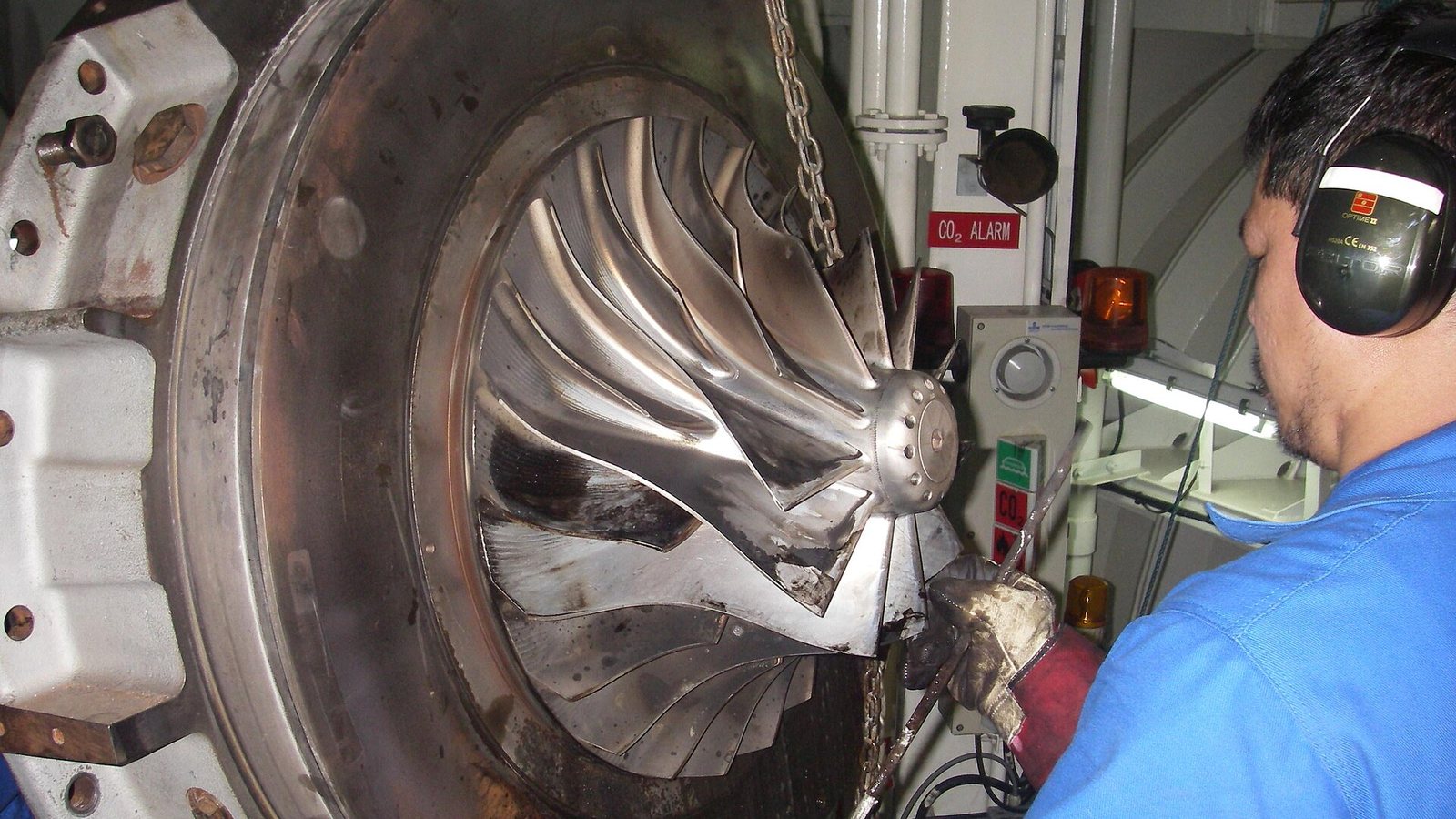
| Turbocharger Bearings | 12,000 - 25,000 | Instantaneous catastrophic housing failure |
| Cylinder Head Gaskets | Per Overhaul | Combustion gas leakage; liner flange erosion |
Why Genuine OEM Matters: The Engineering Perspective
Marine engines operate under extreme thermal and mechanical loads. OEM parts are engineered with a specific 'margin of safety.' Counterfeit parts are typically designed to fit, not to perform. They lack the proprietary heat treatment processes that prevent stress-corrosion cracking. When you install a non-genuine part, you are essentially turning your engine room into a testing lab for unverified materials.
Strategic Procurement with MarineLink Solutions
Navigating the global supply chain requires a partner who understands the technical nuances of marine engineering. At MarineLink Solutions, we bridge the gap between technical demand and procurement integrity. Our quality assurance protocols ensure that every component delivered to your vessel meets the exact specifications required by the engine designer.
Protect your fleet from the operational and financial risks of counterfeit parts. Contact MarineLink Solutions today for a technical consultation on your next scheduled overhaul or to audit your critical spares inventory.
Need Spare Parts?
MarineLink Solutions supplies genuine parts for all major marine engine brands. Contact us for a fast, competitive quote.
Request a Quote