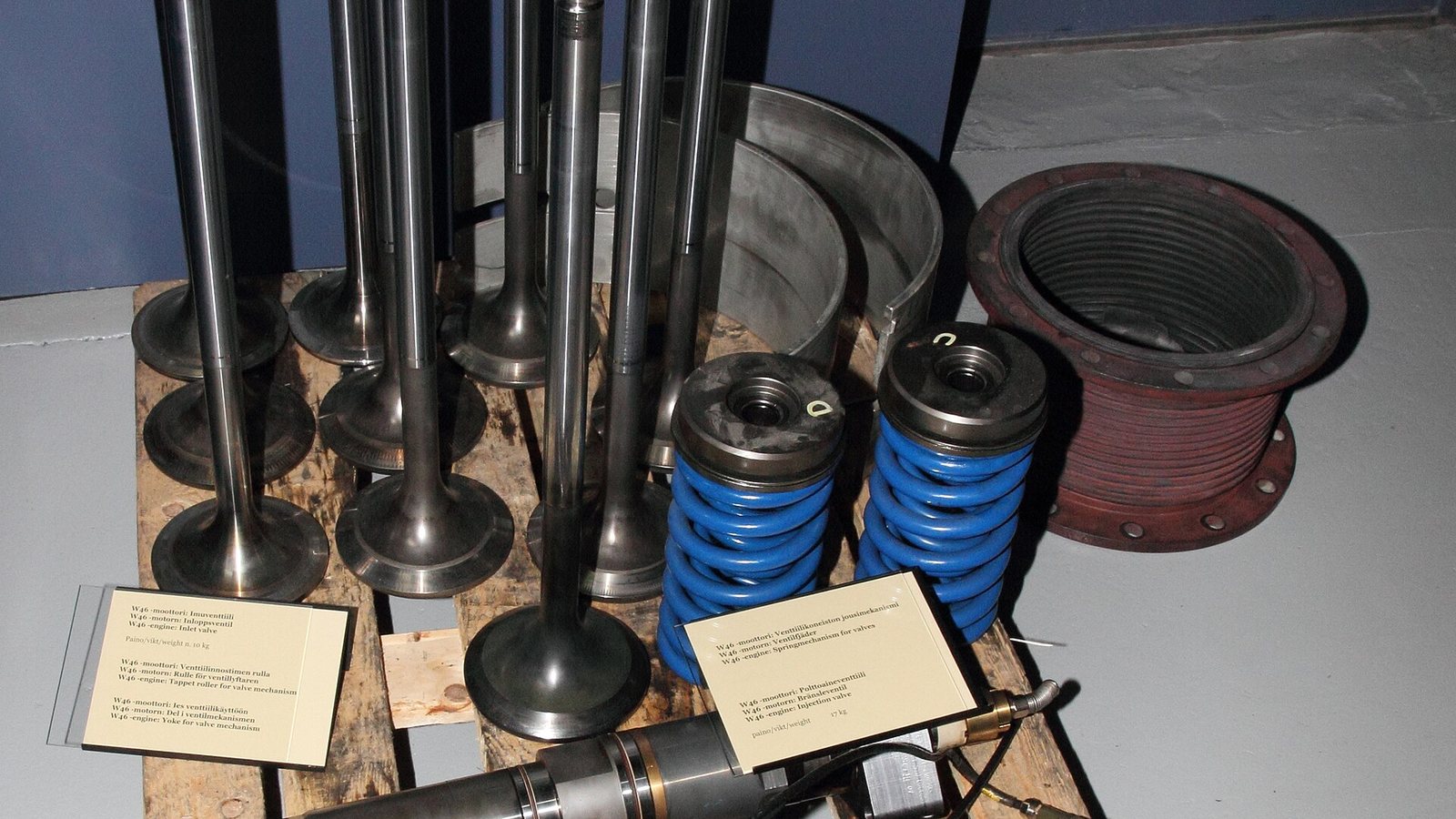
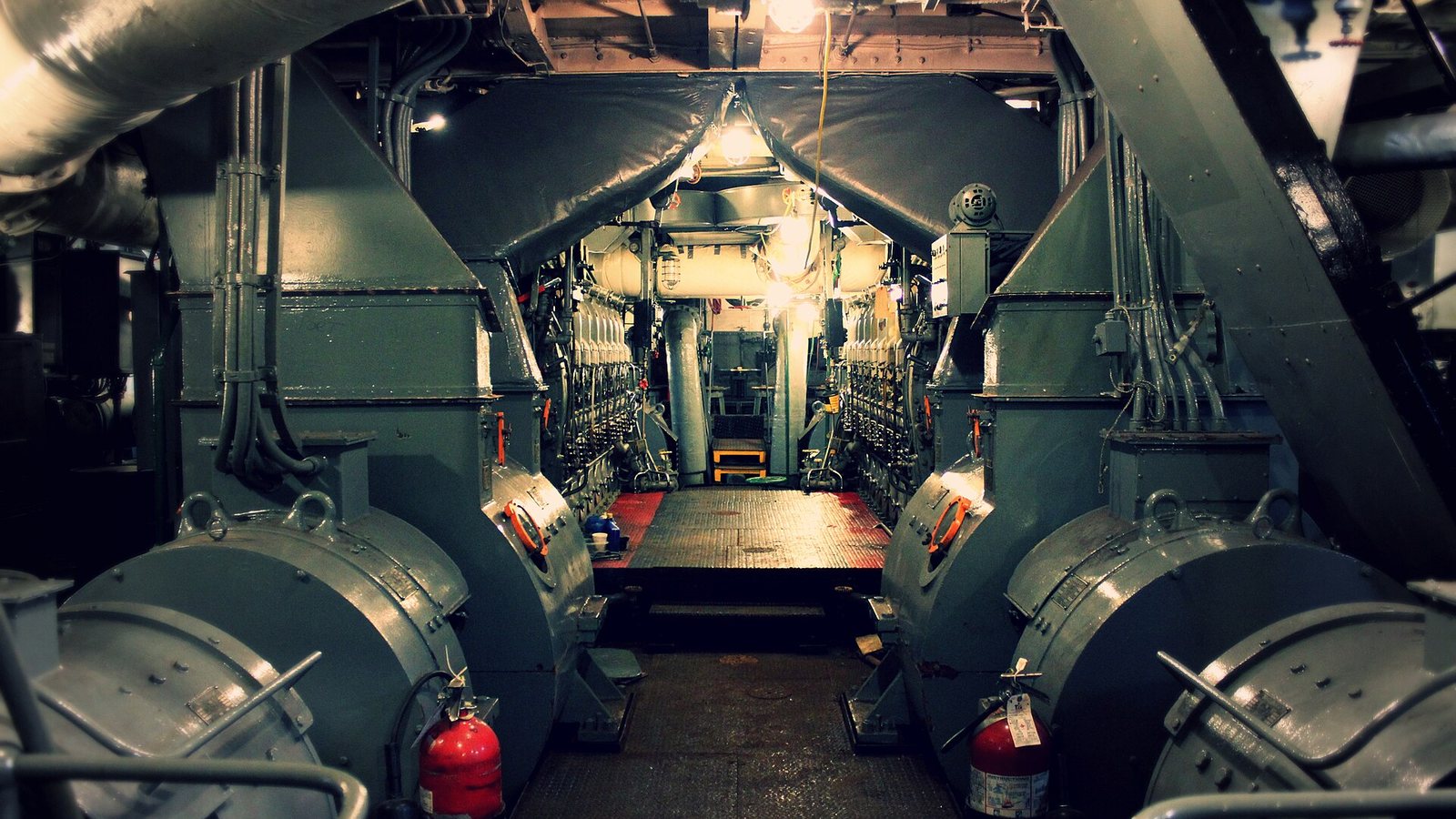
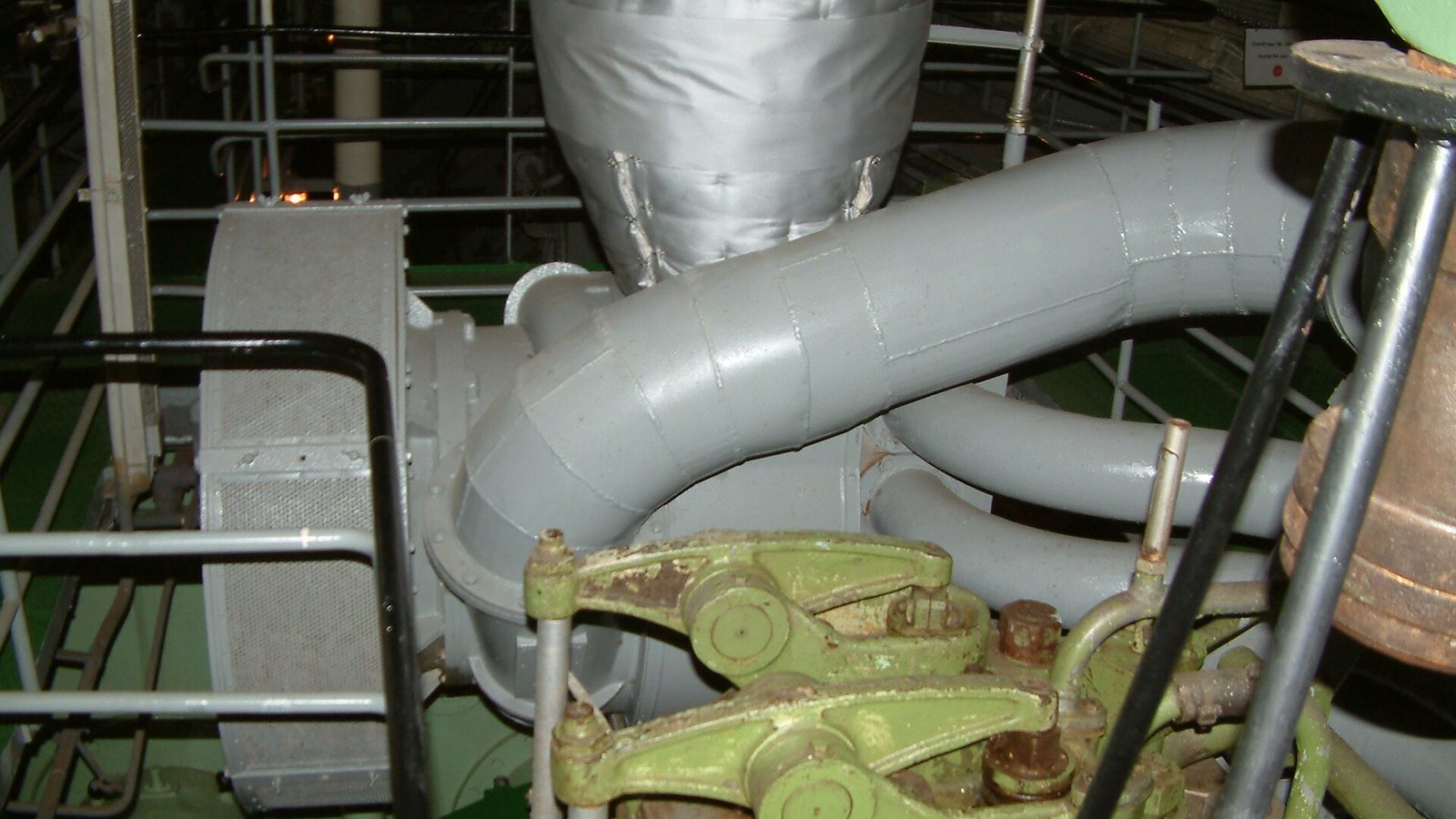
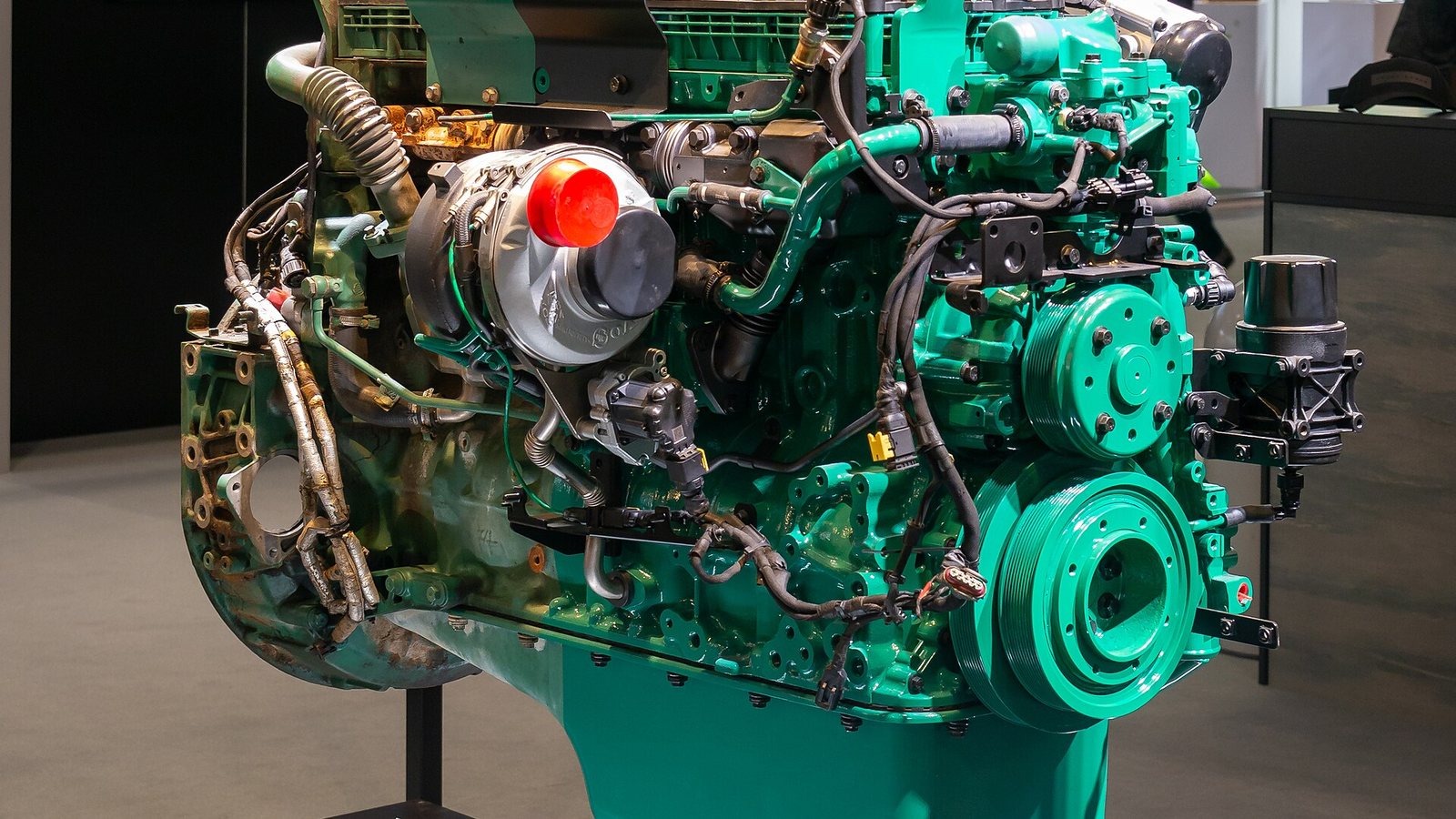
Exhaust valves operate in the harshest conditions inside a marine diesel engine — exposed to combustion gases at temperatures exceeding 500°C and mechanical forces from repeated opening and closing millions of times during their service life. Proper inspection and timely reconditioning or replacement prevents expensive cylinder head damage and unplanned engine shutdowns.
Marine diesel engines use different exhaust valve designs depending on engine type and size:
**Poppet valves (medium and high-speed engines):**
Used in Wärtsilä W20/W32, MaK M32, CAT 3500, Cummins KTA, Volvo Penta, ScaniaValve head and stem are one pieceSeated in replaceable valve seat inserts in the cylinder headMaterial: Nimonic 80A or Stellite-faced for high-temperature resistanceValve rotators (Rotocap) ensure even wear distribution**Exhaust valve cages (low-speed two-stroke engines):**
Used in Wärtsilä RT-flex, Sulzer RTA, MAN B&W MC/ME seriesComplete valve cage assembly sits in the cylinder coverValve spindle with separate seat ringHydraulically or pneumatically actuatedSpindle material: Nimonic 80A with Stellite facingSeat ring: hardened steel or Stellite-faced**Air-actuated valves (modern two-stroke):**
Wärtsilä RT-flex and X-series use electronically controlled, hydraulically actuated exhaust valvesHigher precision timing for improved emissions compliance**Medium-speed engines (Wärtsilä W32, MaK M32):**
Visual inspection through indicator ports: every 4,000 hoursRemove and inspect: every 8,000–12,000 hoursOverhaul or replace: every 16,000–24,000 hours (condition-dependent)**High-speed engines (CAT 3500, Cummins KTA):**
Valve clearance check: every 1,000–2,000 hoursRemove and inspect: every 8,000 hours (typically during top overhaul)Replace if worn beyond limits**Low-speed engines (Sulzer RTA, Wärtsilä RT-flex):**
Inspect exhaust valve cage: every 8,000–12,000 hoursOverhaul valve spindle and seat: every 12,000–16,000 hoursFull cage overhaul: every 16,000–24,000 hours**1. Valve seat face condition:**
Check for pitting, erosion, burn marks, and depositsMeasure seat contact width — should be even and within specificationCheck for blow-through marks (gas leakage paths across the seat face)**2. Valve stem diameter:**
Measure at three positions along the stem using a micrometerCompare to manufacturer's minimum diameter specificationCheck for scoring, corrosion, or chrome flaking**3. Valve head thickness (margin):**
Measure the valve margin (edge thickness of the valve head)Minimum margin is typically 1.5–2.0 mm for medium-speed enginesBelow minimum = valve must be replaced (cannot be reconditioned)**4. Valve stem-to-guide clearance:**
Measure valve guide bore with a bore gaugeCalculate clearance from stem diameter measurementExcessive clearance causes oil consumption and poor sealingMaximum clearance typically 0.15–0.20 mm**5. Valve seat runout:**
Check valve seat concentricity with a dial indicatorMaximum runout typically 0.03–0.05 mm**6. Valve stem straightness:**
Roll on a surface plate with dial indicatorMaximum bend typically 0.02 mm**Recondition when:**
Valve margin is above minimum specification after grindingStem diameter is within toleranceStem is straight and free from scoringSeat face can be reground to achieve proper contactNo visible cracks or thermal fatigue marks on the valve headChrome plating on stem is intact (if applicable)**Replace when:**
Valve margin will be below minimum after grindingStem wear exceeds maximum allowableVisible cracks in the valve head or fillet radiusSevere corrosion or erosion on seat face that cannot be ground outStem chrome plating is flaking or worn throughValve has been reconditioned multiple times and is at dimensional limitsValve head has mushroomed (expanded diameter from repeated contact)**Cost comparison (typical medium-speed engine):**
Reconditioning (grinding, lapping): €150–€400 per valveNew genuine exhaust valve: €1,500–€4,000 per valveNew OEM-equivalent valve: €800–€2,000 per valveClean — Remove all carbon deposits using bead blasting or chemical cleaning. Never use wire brushes on sealing surfaces.Inspect — Perform all measurements listed above. Check for cracks using dye penetrant or magnetic particle inspection.Grind seat face — Use a valve refacing machine with the correct angle (typically 30° or 45° depending on engine). Remove minimum material.Grind stem tip — If the stem tip is mushroomed or worn, machine to restore the correct profile.Lap — Hand-lap the valve to its matching seat insert in the cylinder head to verify contact pattern.Measure final dimensions — Record all measurements and compare to specifications.Pressure test — Install valve in head and perform a vacuum or pressure test to confirm sealing.**Important:** Always replace valve seat inserts if they are worn beyond limits. A new valve on a worn seat will not seal properly.
We supply genuine and OEM-quality exhaust valves, inlet valves, valve seat inserts, valve guides, valve springs, and valve rotators for all major marine engine brands. Whether you need a single replacement valve or a complete set for a top overhaul, our technical team will identify the correct parts for your engine serial number.
Contact us at sales@marinelinksolutions.com or WhatsApp +353 86 102 0717 for fast quotes and worldwide delivery.