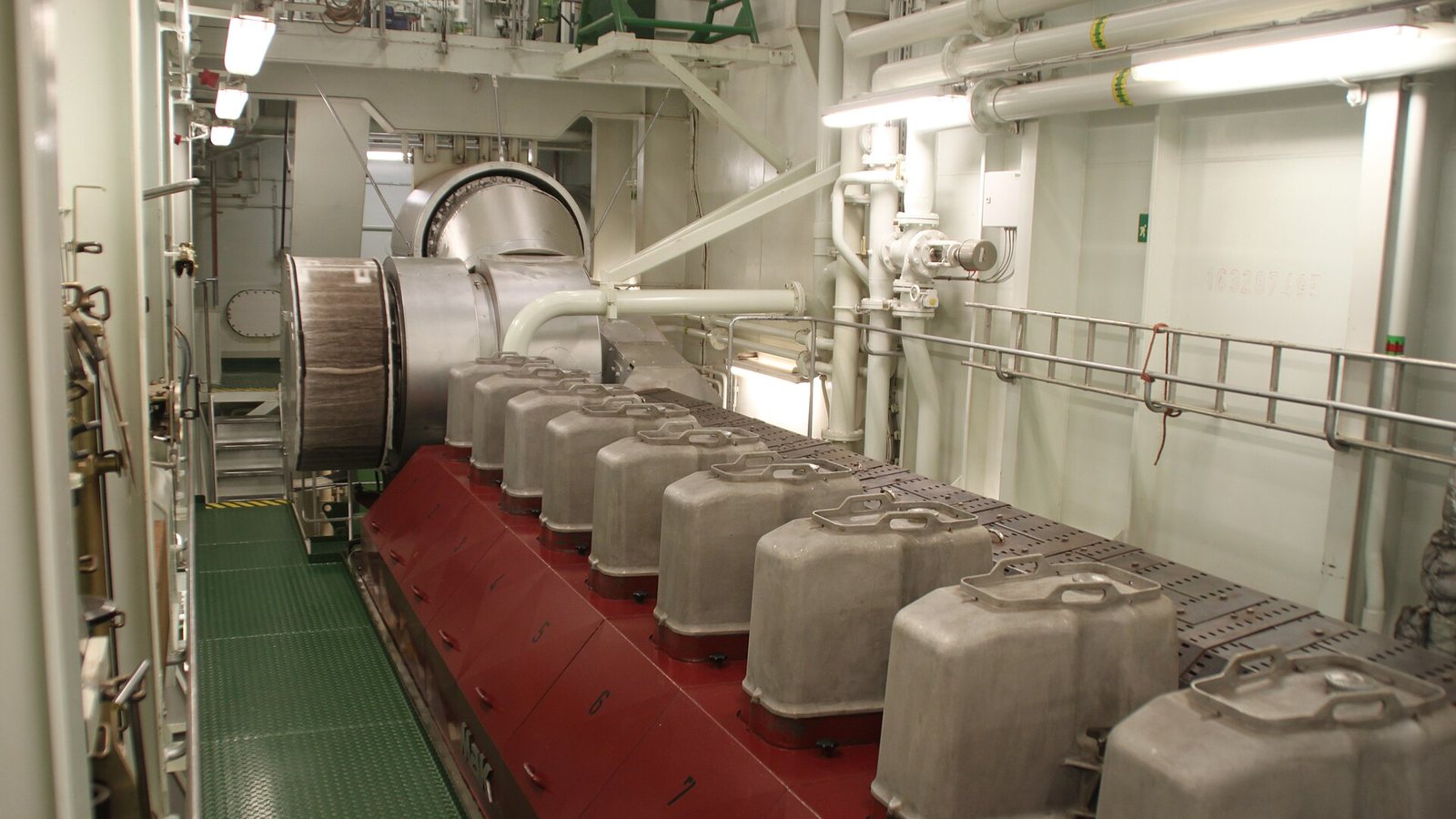
MaK 8M32 Fuel Injector Replacement: Technical Service Guide
Introduction to MaK 8M32 Injection Systems
The MaK M32 series is a cornerstone of medium-speed marine propulsion, known for its reliability and efficiency. However, achieving optimal combustion and maintaining IMO Tier II/III compliance depends heavily on the precision of the fuel injection system. For the 8M32 configuration, the fuel injector is the most critical component subject to thermal stress and mechanical wear.
Failure to adhere to a strict replacement and overhaul schedule leads to increased Specific Fuel Oil Consumption (SFOC), elevated exhaust gas temperatures, and premature liner wear due to fuel impingement. This guide outlines the technical protocol for the removal, inspection, and replacement of MaK 8M32 fuel injectors.
Identifying Symptoms of Injector Malfunction
Before scheduled maintenance intervals, superintendents should monitor for early warning signs that suggest an injector has reached its limit:
* Exhaust Gas Temperature Deviations: A sudden rise (usually >30°C) in a single cylinder's exhaust temperature often indicates a dripping nozzle or poor atomization.
* Black Smoke (High Opacity): Incomplete combustion caused by improper fuel-air mixing.
* Increased Vibration: Misfiring or delayed ignition due to incorrect opening pressures.
* Lube Oil Dilution: Leaking injectors can allow unburnt heavy fuel oil (HFO) to bypass piston rings, contaminating the crankcase.
Step-by-Step Removal and Inspection Protocol
When performing an overhaul or replacement on the MaK 8M32, follow this standardized engineering sequence:
1. Preparation and Safety
* Isolate the fuel system and engage the turning gear.
* Clean the cylinder head top area thoroughly to prevent debris from entering the high-pressure fuel lines.
* Ensure the engine is sufficiently cooled to avoid thermal distortion of the injector body during removal.
2. Disconnection
* Remove the high-pressure fuel pipes. Note: Always inspect the cone ends for erosion or deformation. Deformed cones are a primary source of high-pressure leaks.
* Disconnect the leak-off lines. Verify that the leak-off channels in the cylinder head are clear.
3. Extraction
* Utilize the OEM MaK extraction tool. Avoid using pry bars, which can damage the injector bore or the cylinder head landing surface.
* Once removed, plug the injector hole immediately with a clean plastic cap to prevent carbon particles from falling into the combustion chamber.
Technical Specifications and Testing
Once the injector is on the bench, it must be tested using a manual or pneumatic test pump. For the MaK 8M32, the following parameters are non-negotiable:
* Opening Pressure: The standard setting for M32 injectors is typically between 320 and 350 bar (consult your specific engine manual for the exact build-spec value).
* Spray Pattern: The nozzle features multiple orifices. The spray must be symmetrical, fine, and show no signs of 'jetting' or solid streams.
* Chatter Test: A healthy nozzle should produce a distinct 'chattering' sound, indicating the needle is moving freely and seating correctly.
* Pressure Drop/Leak-back: Apply pressure 20 bar below the opening limit. The nozzle tip must remain dry for at least 10 seconds.
Installation Procedures
When installing new or reconditioned injectors, cleanliness is the highest priority.
The Criticality of Genuine MaK Spare Parts
For high-pressure components like the 8M32 injector, the use of non-genuine parts presents a significant risk to vessel operations. Genuine MaK nozzles are manufactured with specific metallurgy to withstand the corrosive effects of high-sulfur HFO and the thermal shocks of modern combustion cycles.
Third-party nozzles often lack the precise hardening required for the needle seat, leading to rapid seat recession and pressure loss within a few hundred running hours. Furthermore, genuine parts ensure that the flow rate (kg/h) is perfectly matched across all eight cylinders, maintaining engine balance and preventing crankshaft torsional vibration issues.
Recommended Maintenance Intervals
* Nozzle Replacement: Every 4,000 to 6,000 running hours (depending on fuel quality).
* Pressure Testing/Cleaning: Every 2,000 to 3,000 running hours.
* High-Pressure Pipe Inspection: During every injector service.
Conclusion
Maintaining the injection system of a MaK 8M32 is a precise task that yields high returns in fuel efficiency and engine longevity. By following OEM protocols and utilizing high-quality components, marine engineers can ensure their vessels remain compliant and operational.
For technical support, genuine MaK 8M32 spare parts, or expert consultation on your next engine overhaul, contact MarineLink Solutions today. Our logistics team ensures critical components reach your vessel at the next port of call, minimizing downtime and maximizing performance.
Need Spare Parts?
MarineLink Solutions supplies genuine parts for all major marine engine brands. Contact us for a fast, competitive quote.
Request a Quote