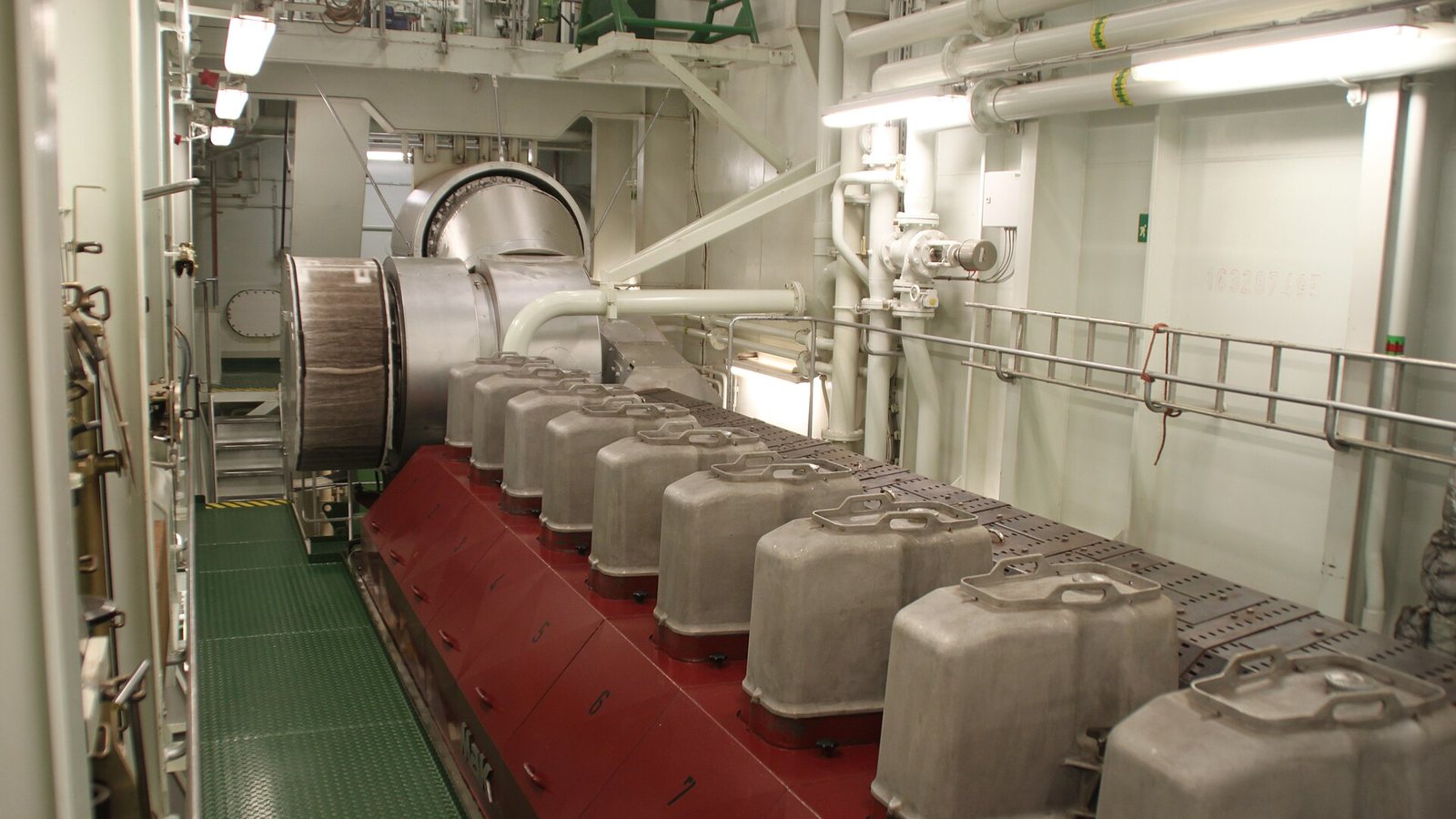
MaK 8M32 Fuel Injector Replacement: Technical Execution Guide
Technical Overview: The MaK 8M32 Fuel Injection System
The Caterpillar MaK 8M32 series remains a workhorse in the medium-speed marine sector, known for its reliability and thermal efficiency. However, the integrity of the fuel injection system is paramount to maintaining these performance metrics. The fuel injector—operating under extreme pressures and temperatures—is a critical wear component. Failure to adhere to precise replacement protocols can lead to poor atomization, increased Specific Fuel Oil Consumption (SFOC), and secondary damage to piston crowns or cylinder liners.
This guide outlines the technical requirements for the removal, inspection, and replacement of fuel injectors for the MaK 8M32, ensuring fleet managers and engineers maintain peak operational efficiency.
Identifying Indicators for Replacement
Routine replacement follows the manufacturer’s Planned Maintenance System (PMS), typically every 2,000 to 4,000 running hours for testing, with full replacement or overhaul intervals varying based on fuel quality (HFO vs. MGO). Key indicators for immediate unscheduled replacement include:
* Exhaust Gas Temperature Deviations: A significant rise or drop in a specific cylinder's EGT.
* Pressure Fluctuations: Irregularities in the high-pressure fuel pump discharge.
* Combustion Noise: Audible knocking or "hammering" suggesting pre-ignition or needle seizure.
* Smoke Density: Increased black smoke indicating poor fuel atomization or nozzle carbonization.
Step-by-Step Replacement Protocol
1. Preparation and Safety
Before commencing work, ensure the engine is stopped and the fuel system is depressurized. Close all fuel supply valves and engage the turning gear to prevent accidental startup. Ensure the work area is clean; even microscopic contaminants can ruin high-pressure injection surfaces.
2. Removal of the Injector
* Disconnect High-Pressure Pipes: Remove the fuel high-pressure pipes and the leak-oil lines. Cap all openings immediately to prevent ingress of debris.
* Extraction: Loosen the injector clamping nuts. Use the dedicated MaK extraction tool to pull the injector vertically from the cylinder head. Avoid prying against the cylinder head surface.
* Sealing Ring Inspection: Ensure the old copper sealing ring at the bottom of the injector pocket is removed. If it remains stuck, use a specialized hook tool to extract it without scratching the seating surface.
3. Cleaning and Inspection of the Injector Pocket
Before installing a new or reconditioned injector, the pocket must be meticulously cleaned. Use a brass wire brush and compressed air. Inspect the seating surface at the bottom of the bore. If erosion or "wire-drawing" is evident, the seat must be re-faced using the approved MaK milling tool to ensure a gas-tight seal.
4. Installation of the Replacement Injector
* Sealing: Always use a new, genuine copper sealing washer. Apply a thin layer of high-temperature anti-seize paste to the injector body, avoiding the nozzle tip.
* Alignment: Lower the injector carefully into the pocket, ensuring the fuel inlet aligns perfectly with the high-pressure pipe connection.
* Torquing: Tighten the clamping studs crosswise to the manufacturer's specified torque. Over-tightening can lead to thermal stress and needle binding, while under-tightening leads to combustion gas leakage.
Technical Specifications and Tooling
| Component/Task | Specification/Detail |
|---|---|
| Nozzle Opening Pressure | 320 bar + 8 (check engine manual for specific HFO settings) |
| Tightening Torque (Clamping) | Refer to specific 8M32 technical bulletin (typically tiered) |
| Recommended Testing Interval | 3,000 Operating Hours |
| Essential Tooling | Pressure testing rig, extraction tool, seat milling cutter |
The Criticality of Genuine Spares
The MaK 8M32 operates with high peak combustion pressures. Non-genuine or poorly reconditioned nozzles often lack the metallurgical integrity required to withstand the abrasive nature of Heavy Fuel Oil (HFO).
Using genuine MaK nozzles and O-rings ensures:
* Precision Spray Patterns: Correct hole geometry for optimal air-fuel mixing.
* Needle Durability: Specialized coatings that prevent premature seizure.
* Warranty Compliance: Protection against catastrophic engine failure claims.
Investing in OEM-quality components reduces the total cost of ownership by extending the interval between overhauls and preventing costly cylinder head damage.
Maintenance Best Practices for Fleet Managers
To maximize the lifespan of your 8M32 fuel injectors, prioritize the following:
Conclusion
Precision fuel injection is the cornerstone of MaK 8M32 reliability. By following a disciplined replacement protocol and utilizing high-quality spares, marine engineers can ensure compliance with emission standards and operational targets.
If you require genuine MaK 8M32 fuel injector components, specialized tooling, or technical advice for your next scheduled overhaul, contact MarineLink Solutions today. Our logistics team specializes in delivering critical engine spares to major ports worldwide, ensuring your fleet stays in motion.
Need Spare Parts?
MarineLink Solutions supplies genuine parts for all major marine engine brands. Contact us for a fast, competitive quote.
Request a Quote