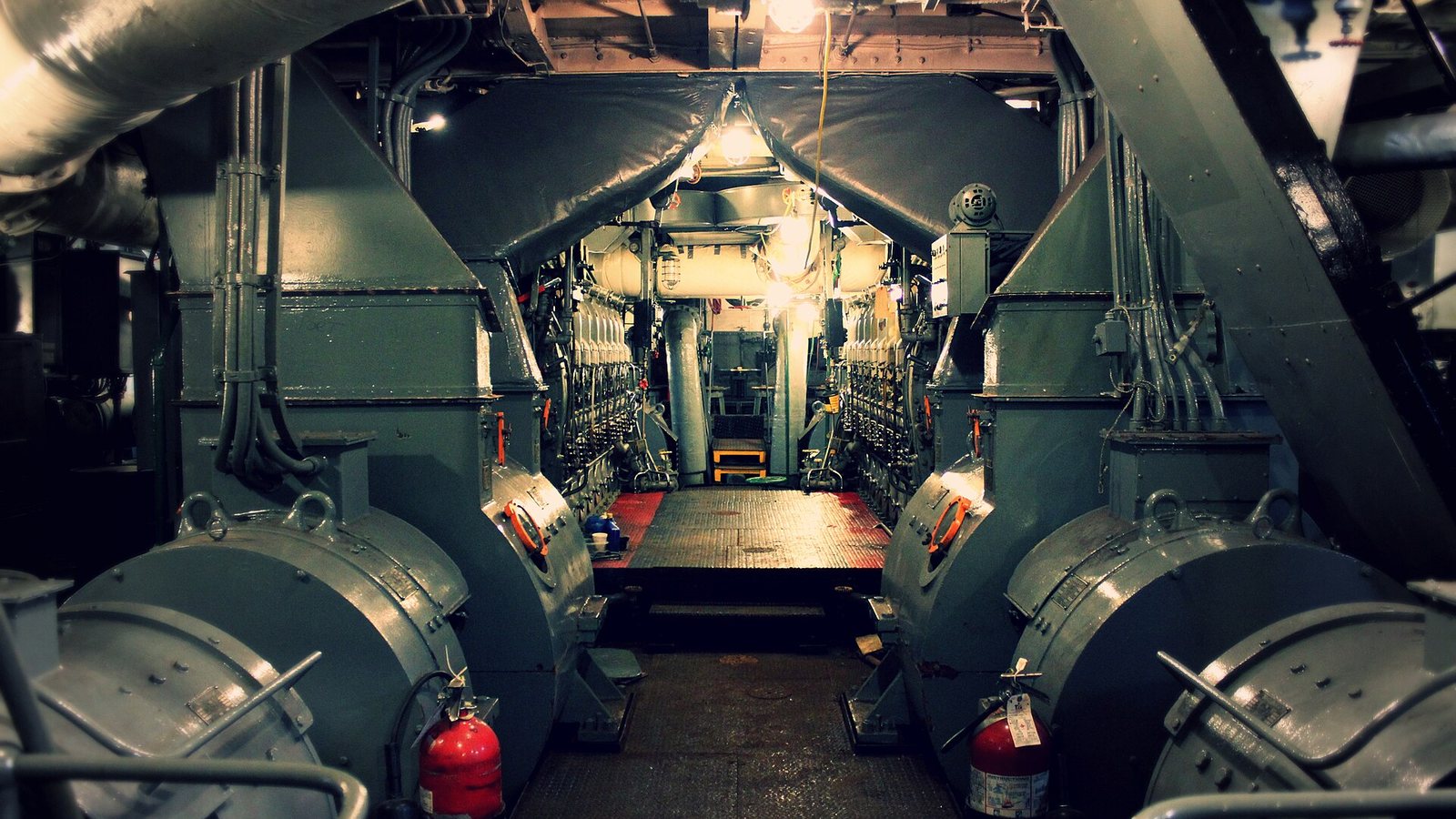
Optimizing PMS for Critical Engine Spare Parts Management
Bridging the Gap Between PMS Schedules and Spare Parts Availability
For ship superintendents and fleet managers, the Planned Maintenance System (PMS) is the heartbeat of vessel operations. However, a common failure point in technical management is the disconnection between maintenance scheduling and the physical availability of high-quality spare parts. A PMS that alerts an engineer to a 12,000-hour overhaul is useless if the required cylinder liners, head gaskets, and O-ring kits are not already in the locker or scheduled for delivery at the next convenient port call.
This guide examines how to synchronize your PMS with spare parts procurement to ensure that 'Planned' maintenance does not turn into 'Reactive' firefighting.
The Hierarchy of Critical Spares in PMS
Not all parts require the same level of oversight. To optimize your budget and storage space, categorize your spares within the PMS based on lead times and failure impact:
1. High-Consumption / Wear Items
These are items with predictable life cycles. Your PMS should automate requisition triggers based on running hours for:
* Fuel Injector Nozzles: Essential for maintaining atomization and preventing piston crown damage.
* Filter Elements: Lube oil, fuel, and centrifugal filter inserts.
* Zinc Anodes: Critical for cooling system heat exchanger protection.
2. Major Overhaul Components
These require long-lead planning (3–6 months) and significant capital expenditure. They should be tracked against major service intervals (e.g., 24,000 or 32,000 hours):
* Cylinder Liners and Piston Crowns.
* Main and Big-End Bearings.
* Turbocharger Cartridges.
3. Emergency / Insurance Spares
Items that may not have a fixed maintenance interval but whose failure would result in a total loss of propulsion or power generation:
* Fuel Injection Pumps.
* Governor Actuators.
* Cylinder Head Safety Valves.
Maintenance Intervals and Part Synchronization
To maximize the efficiency of your PMS, align your inventory triggers with the following standard marine engine intervals (refer to specific OEM manuals like Wärtsilä, MAN, or MaK for exact figures):
* 2,000 – 4,000 Hours: Focus on top-end inspection. Ensure stock of rocker arm bushings, valve rotators, and fuel high-pressure pipes.
* 8,000 – 12,000 Hours: Focus on cylinder head overhauls. PMS should trigger the procurement of intake/exhaust valves, valve seats, and stem seals.
* 16,000 – 24,000 Hours: The 'Major Overhaul'. This requires a coordinated logistics effort for piston rings, connecting rod bolts, and cooling water pump seals.
Technical Data Accuracy: The Importance of Part Numbers
A PMS is only as good as the data entered into it. One of the most frequent causes of downtime is the arrival of incorrect parts due to transcription errors or reliance on outdated drawings. Superintendents must ensure the PMS database includes:
* OEM Part Numbers: Use the latest revision from the engine builder’s manual.
* Drawing References: Cross-reference with the specific engine serial number (ESN).
* Interchangeability Lists: Knowing which O-rings or gaskets are common across different auxiliary engines can reduce redundant stock.
The Case for Genuine Spare Parts in the PMS Cycle
Integrating a maintenance schedule assumes that the parts installed will last until the next scheduled interval. Utilizing non-genuine or 'will-fit' parts introduces a variable that the PMS cannot account for.
Genuine parts are manufactured to precise metallurgical standards and tolerances. For example, a non-genuine exhaust valve may not have the required Stellite coating, leading to premature seat recession. If this happens at 4,000 hours instead of the planned 8,000, your entire PMS logic fails, leading to unplanned downtime and increased labor costs. Using genuine spares ensures that your maintenance intervals remain predictable and your risk of catastrophic failure is minimized.
Practical Steps for Fleet Managers
To improve your current system, consider these three actions:
Conclusion
Effective marine engineering is not just about turning wrenches; it is about data management and foresight. By tightly integrating your Planned Maintenance System with a robust spare parts strategy, you ensure your vessels remain compliant, efficient, and—most importantly—operational.
If you are looking to streamline your technical supply chain or need assistance identifying critical components for your next major overhaul, contact MarineLink Solutions today. Our technical team specializes in sourcing genuine engine spares that keep your fleet moving on schedule.
Need Spare Parts?
MarineLink Solutions supplies genuine parts for all major marine engine brands. Contact us for a fast, competitive quote.
Request a Quote