Maintaining IMO Tier III Compliance: SCR Catalyst & Dosing Spares
Navigating the Technical Demands of IMO Tier III Compliance
For fleet managers and superintendents, IMO Tier III regulations—applicable in Nitrogen Oxide (NOx) Emission Control Areas (NECAs)—represent a significant shift from engine-only optimization to complex integrated aftertreatment management. Achieving the required 80% reduction in NOx emissions compared to Tier I levels typically necessitates Selective Catalytic Reduction (SCR) systems.
Unlike traditional engine components, SCR performance is highly sensitive to thermal management and reagent purity. Failure to maintain aftertreatment hardware doesn't just result in environmental non-compliance; it can lead to engine backpressure issues, increased fuel consumption, and significant regulatory fines. This guide focuses on the critical spare parts and technical protocols required to keep SCR systems operational.
The SCR Architecture: Critical Failure Points
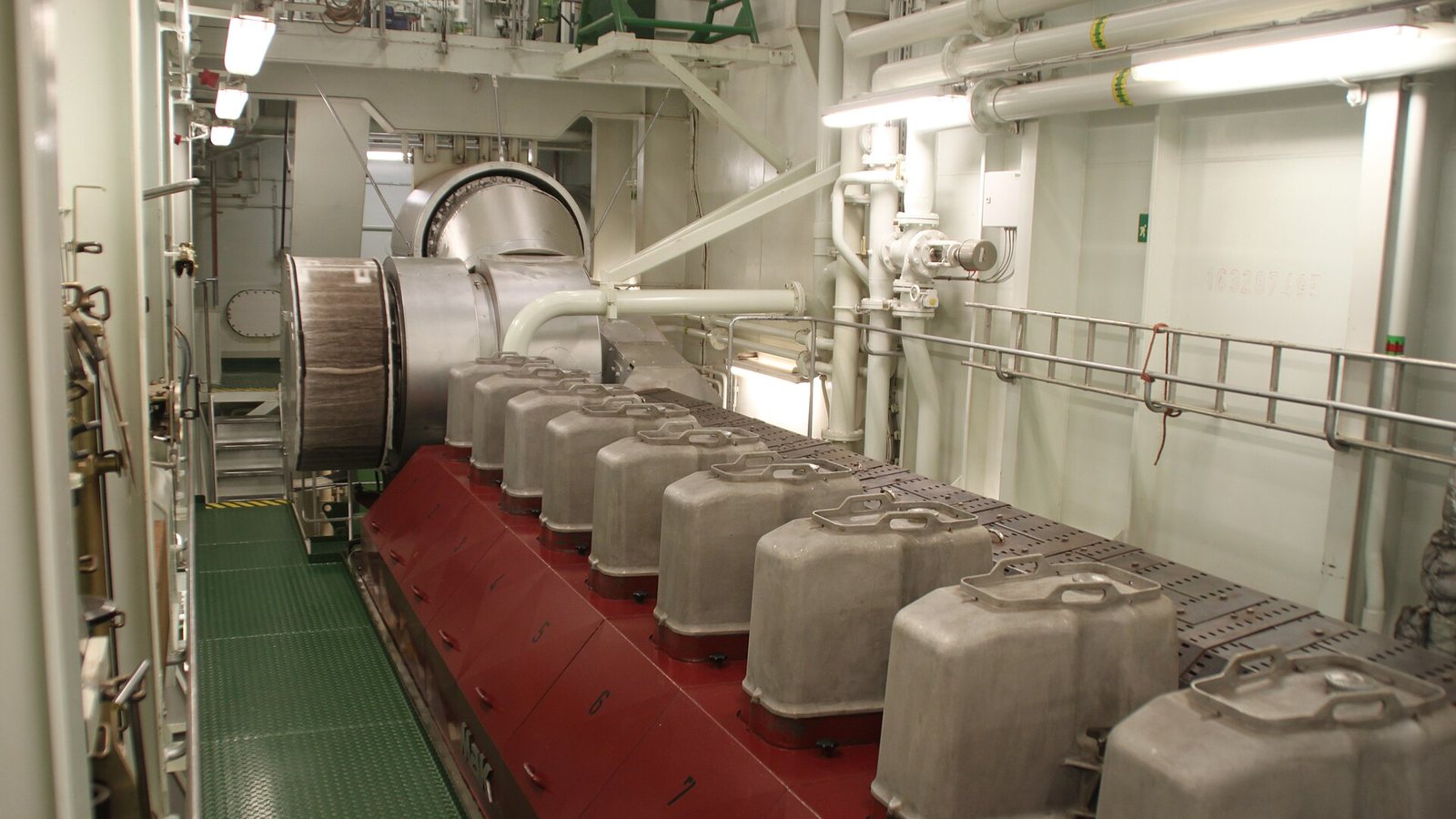
An SCR system is comprised of three primary modules: the reagent (Urea/DEF) dosing system, the injection unit, and the catalyst chamber. Each requires a specific spare parts strategy to prevent unscheduled downtime.
1. Catalyst Elements and Honeycomb Integrity
The catalyst blocks—usually a vanadium-pentoxide or zeolite structure—are the heart of Tier III compliance. Over time, these elements suffer from 'masking' (soot coverage) or 'poisoning' (chemical degradation from sulfur or lube oil additives).
* Maintenance Indicator: Monitor differential pressure (ΔP) across the SCR chamber. An increase in ΔP often indicates soot accumulation or catalyst crumbling.
* Critical Spares: Replacement catalyst modules and high-temperature sealing gaskets. Always ensure gaskets are rated for temperatures exceeding 450°C to prevent bypass leakage.
2. Urea Dosing and Injection Components
The dosing unit is the most frequent source of mechanical failure. Because Aqueous Urea Solution (AUS40) crystallizes when exposed to air or heat, precise component tolerances are vital.
* Dosing Pumps: Diaphragm or gear pumps must maintain consistent pressure. Seal kits and internal filters should be stocked as high-turnover items.
* Injection Nozzles: These are prone to clogging. A deformed spray pattern leads to poor NOx conversion and ammonia slip. Spare atomizing nozzles and air-assist solenoids are essential for port-side swaps.
* Sensors: NOx sensors (upstream and downstream) and temperature sensors (PT100/PT1000) have a finite lifespan. Inaccurate sensor data will cause the ECU to inject incorrect urea volumes, potentially damaging the catalyst.
Technical Maintenance Intervals for Aftertreatment Systems
| Component | Action | Recommended Interval |
|---|---|---|
| Urea Filters | Replace filter elements | 1,000 – 2,000 hours |
| Injection Nozzles | Visual inspection & cleaning | 2,000 hours |
| NOx Sensors | Calibration check/Replacement | 4,000 – 6,000 hours |
| Dosing Pump Seals | Overhaul/Replacement | 8,000 hours |
| Catalyst Elements | Core sampling/Activity test | 10,000 – 15,000 hours |
Managing Urea Quality and Crystallization
A frequent issue encountered by marine engineers is the formation of urea deposits in the mixing pipe. This usually stems from operating the engine at low loads where exhaust temperatures fall below the urea decomposition threshold (approx. 250°C).
When these deposits harden, they can physically damage the injection lance. Maintaining a stock of lance heating elements and insulation jackets is a practical hedge against low-load operational damage. Furthermore, ensuring the air-purge system is functioning—using clean, dry instrument air—is critical to preventing crystallization within the lines during shutdown.
The Risks of Non-Genuine Aftertreatment Spares
In the context of IMO Tier III, the "saving" associated with non-genuine sensors or nozzles is often offset by the catastrophic cost of catalyst replacement. Selective Catalytic Reduction relies on precise chemical ratios.
* Material Specification: Genuine nozzles are manufactured from high-grade stainless steels (e.g., 316L or specialized alloys) to resist the corrosive nature of hot urea. Sub-par materials will corrode rapidly, leading to orifice enlargement and excessive reagent consumption.
* Sensor Calibration: Aftermarket NOx sensors often lack the precise calibration curves required by the engine's Selective Catalytic Reduction Control Unit (SCRCU). This results in "phantom" alarms or failure to meet the Technical File requirements during a MARPOL Annex VI survey.
Using genuine components ensures that the system operates within the parameters defined in the vessel’s NOx Technical File, protecting the shipowner from legal and operational liabilities.
Strategic Stocking for Global NECAs
Superintendents should maintain a "Tier III Critical Kit" onboard, especially for vessels frequenting the North Sea, Baltic Sea, or North American ECA zones. This kit should include:
By proactive monitoring of the SCR's delta-P and reagent consumption rates, engineers can move from reactive repairs to predictive component replacement, ensuring the vessel remains compliant without interrupting the commercial schedule.
Partner with MarineLink Solutions
Maintaining IMO Tier III compliance requires a reliable supply chain for specialized aftertreatment components. At MarineLink Solutions, we specialize in sourcing genuine spare parts for SCR systems, dosing units, and NOx monitoring hardware. Our technical team understands the urgency of NECA compliance and the specific tolerances required for medium and high-speed marine engines.
Contact MarineLink Solutions today for a technical consultation on your aftertreatment spare parts strategy or to request a quote for your next scheduled SCR maintenance interval.
Need Spare Parts?
MarineLink Solutions supplies genuine parts for all major marine engine brands. Contact us for a fast, competitive quote.
Request a Quote