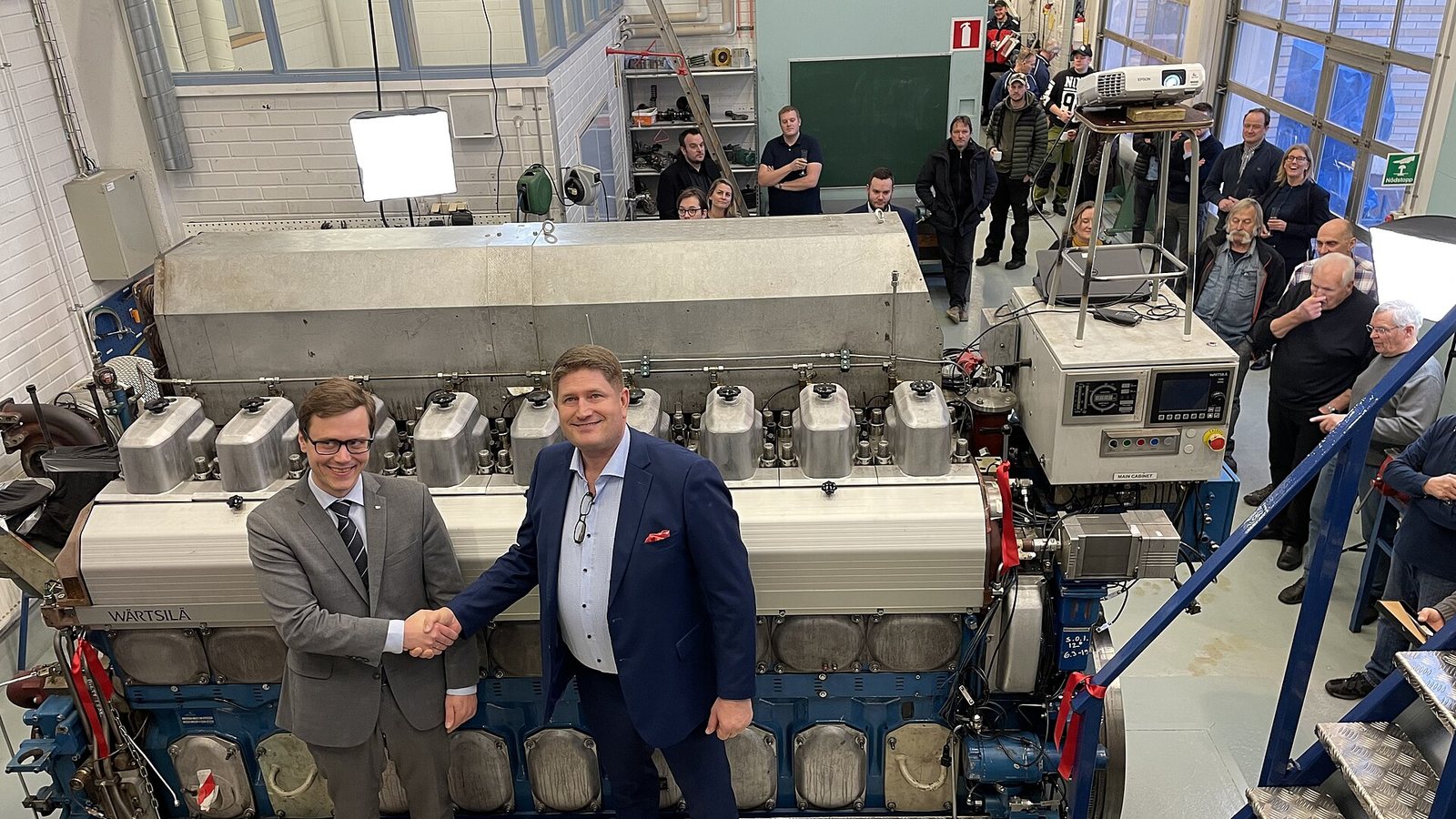
Diagnosing Charge Air Cooler Fouling & Thermal Efficiency Loss
Introduction: The Impact of Scavenge Air Temperature on Combustion
For marine diesel engines, particularly two-stroke slow-speed and four-stroke medium-speed units, the charge air cooler (CAC) is a critical component for maintaining thermodynamic efficiency. The CAC’s primary function is to increase the density of the intake air after it has been compressed and heated by the turbocharger. When a CAC suffers from fouling, the density of the air entering the cylinders drops, leading to poor combustion, increased Specific Fuel Oil Consumption (SFOC), and higher Exhaust Gas Temperatures (EGT).
For ship superintendents and fleet managers, understanding the progression of fouling—and the precise moment when cleaning becomes more cost-effective than continued operation—is essential for minimizing operational expenditure (OPEX).
Identifying the Two Faces of CAC Fouling
Fouling typically manifests in two distinct forms, each requiring different diagnostic approaches and remedial actions.
1. Air-Side Fouling
The air side of the cooler is exposed to compressed air from the turbocharger, which often contains oil mist (from turbocharger seals or crankcase breathers) and atmospheric dust. This creates a sticky residue on the cooling fins.
* Symptoms: Increased pressure drop (Delta-P) across the cooler and a rise in scavenge air temperature.
* Operational Risk: Reduced air mass flow leads to incomplete combustion and excessive smoke/soot formation, which can further foul the turbocharger turbine and exhaust boilers.
2. Water-Side Fouling
The internal tubes of the CAC are cooled by seawater or central cooling freshwater. In seawater systems, mineral scaling (calcium carbonate) and biological growth are the primary culprits. In freshwater systems, corrosion products or oil contamination are more common.
* Symptoms: Normal air-side pressure drop but significantly reduced heat transfer. The difference between the cooling water inlet and air outlet temperatures (Approach Temperature) will widen.
* Operational Risk: High scavenge temperatures trigger engine de-rating or automatic slowdowns to prevent component damage.
Technical Diagnostics: The Delta-P and Thermal Delta
Effective monitoring requires more than just checking the local gauges during a noon report. Marine engineers should track the following metrics:
* Air-Side Pressure Drop (ΔP): A clean cooler typically operates within a specific range (e.g., 50–150 mmWC). A 50% increase over the baseline for a given load indicates significant blockage.
* Cooling Effectiveness (ε): Calculated by comparing the temperature drop of the air to the maximum possible drop. A decline in effectiveness usually points to internal tube scaling.
* Approach Temperature: In a healthy system, the scavenge air outlet temperature should be within 3°C to 10°C of the cooling water inlet temperature. If this gap exceeds 15°C, the heat transfer coefficient has been compromised.
Actionable Maintenance Intervals and Cleaning Protocols
To maintain peak performance, MarineLink Solutions recommends the following service schedule:
| Task | Interval | Methodology |
|---|---|---|
| In-situ Chemical Soaking | 2,000 - 4,000 Hours | Circulation of degreasing agents for air-side carbon removal. |
| Differential Pressure Logging | Weekly | Compare ΔP against engine shop trial curves at 75% and 85% MCR. |
| Ultrasonic Cleaning | 12,000 - 16,000 Hours | Full removal of the nest for deep cleaning in an ultrasonic bath. |
| Sacrificial Anode Inspection | Quarterly | Replace zinc or aluminum anodes if more than 50% consumed to prevent galvanic corrosion. |
When cleaning air-side fins, avoid high-pressure power washing at close range, as this can bend the delicate aluminum or copper fins, permanently restricting airflow and exacerbating the original problem.
The Role of Genuine Spare Parts in CAC Longevity
When a CAC reaches the end of its service life or suffers from tube leaks, the temptation to source low-cost aftermarket nests is high. However, the metallurgy of the tubes (typically CuNi 90/10 or titanium) and the bonding quality between the fins and tubes are critical for heat transfer.
Non-genuine units often use inferior fin-to-tube bonding techniques, resulting in a higher thermal resistance. Furthermore, incorrect gasket materials (Part No. examples such as 264.450 for MAN B&W or specific Wärtsilä O-ring kits) can lead to cooling water leaking into the scavenge air plenum, causing catastrophic liner wash and piston ring damage. Using OEM-spec sealing kits ensures that the interface between the water covers and the tube nest remains secure under the thermal expansion cycles of the engine.
Consequences of Neglect: The Domino Effect
If CAC fouling is not addressed, the engine suffers from "thermal overloading." High scavenge air temperatures lead to higher peak combustion temperatures. This increases the thermal stress on cylinder heads, exhaust valves, and piston crowns. Long-term neglect often results in cracked valve seats and premature failure of piston rings due to the breakdown of the cylinder oil film at elevated temperatures.
Conclusion
Maintaining charge air cooler efficiency is one of the most effective ways to ensure IMO Tier II/III compliance and optimize fuel costs. By monitoring the air-side Delta-P and the thermal approach temperature, engineering teams can move from reactive cleaning to a predictive maintenance model.
At MarineLink Solutions, we specialize in sourcing high-performance charge air cooler nests, ultrasonic cleaning chemicals, and genuine sealing kits for MAN B&W, Wärtsilä, and MaK engines. Whether you are facing a sudden rise in scavenge temperatures or planning a major overhaul, our technical team is ready to provide the precision parts you need to restore engine efficiency.
Contact MarineLink Solutions today for a technical consultation on your CAC maintenance requirements.
Need Spare Parts?
MarineLink Solutions supplies genuine parts for all major marine engine brands. Contact us for a fast, competitive quote.
Request a Quote