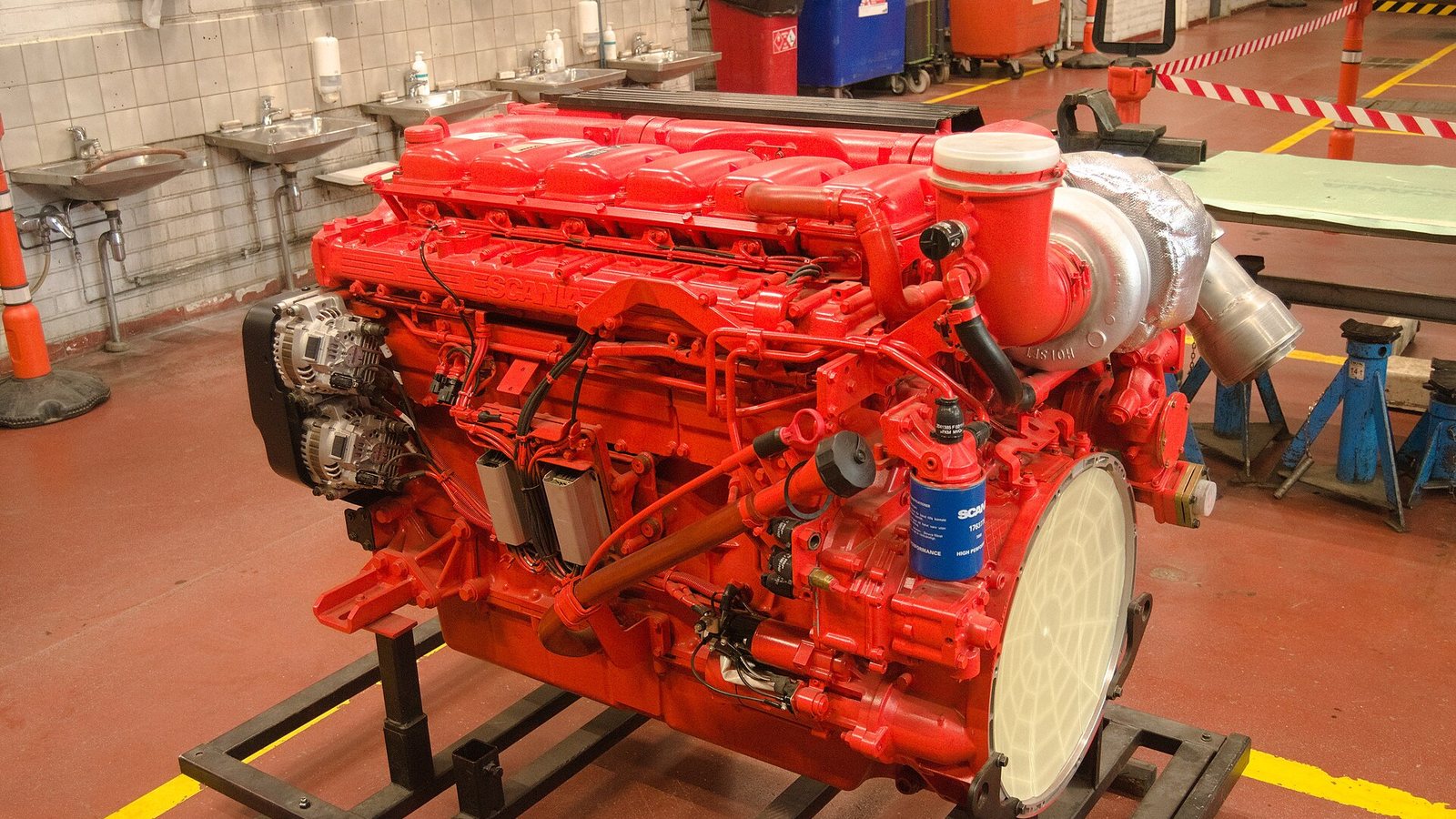
Deutz TCD 2015 Cooling: Maintaining Thermal Stability
Ensuring Thermal Equilibrium in the Deutz TCD 2015
The Deutz TCD 2015 series, available in V6 and V8 configurations, is a workhorse in marine auxiliary and propulsion applications. While its compact design offers a high power-to-weight ratio, it places significant demand on the cooling system. For ship superintendents and fleet managers, maintaining thermal stability is not just about preventing overheating—it is about avoiding the long-term structural fatigue of the cylinder heads and liners.
Effective service of the TCD 2015 cooling circuit requires a proactive approach that goes beyond simple coolant top-ups. This guide outlines the technical requirements for maintaining these systems at peak efficiency.
The Coolant Pump: The Heart of the System
The TCD 2015 utilizes a gear-driven coolant pump designed for high flow rates. However, in marine environments, the pump seal is a common point of failure.
Critical Inspection Points:
* Weep Hole Monitoring: A small amount of moisture is normal during initial break-in, but consistent leakage indicates a failing mechanical seal. If the weep hole is blocked by debris or paint, the coolant can be forced into the crankcase, leading to oil contamination.
* Bearing Play: During scheduled overhauls, the pump shaft must be checked for radial and axial play. Even minor imbalances can lead to catastrophic gear train failure, as the pump is integrated into the engine's timing system.
* Impeller Erosion: Cavitation can erode the impeller blades, significantly reducing the flow rate. This is often caused by using incorrect coolant mixtures or operating with a faulty pressure cap.
Heat Exchanger and Intercooler Maintenance
In a marine setup, the TCD 2015 typically employs a liquid-to-liquid heat exchanger. Scaling on the seawater side is the primary cause of rising EGTs (Exhaust Gas Temperatures) and reduced engine efficiency.
Chemical Cleaning vs. Mechanical Rodding
While chemical flushing can remove light scale, it often fails to clear stubborn calcium deposits in the narrow tubes of the bundle. MarineLink Solutions recommends a full disassembly and ultrasonic cleaning every 4,000 to 6,000 running hours, depending on water quality.
Maintenance Checklist:
Thermostat Functionality and Replacement
The TCD 2015 uses wax-element thermostats (typically opening at 83°C). A thermostat that fails in the open position prevents the engine from reaching optimal combustion temperature, leading to carbon buildup and sulfuric acid formation in the oil. A thermostat that fails closed results in immediate overheating and potential head warping.
* Replacement Interval: We recommend replacing thermostats every 2,000 hours as a preventive measure.
* Verification: If a thermostat is suspected of sticking, it should be tested in a water bath with a calibrated thermometer. However, given the low cost of the part relative to an engine rebuild, replacement is the industry standard.
The Critical Role of Coolant Chemistry
The TCD 2015 requires a high-quality nitrite-free cooling medium. The use of standard automotive antifreeze or untreated water will lead to liner pitting through a process known as cylinder liner cavitation.
When the piston moves, the liner vibrates. This creates vacuum bubbles in the coolant. When these bubbles collapse, they do so with enough force to chip away at the metal. A properly formulated DQC (Deutz Quality Class) coolant contains inhibitors that form a protective film on the liners to prevent this.
The Case for Genuine Deutz Spare Parts
For critical components like coolant pumps (e.g., Part No. 0429 9148) and thermostats, the temptation to use aftermarket alternatives can be high. However, marine engineers must consider the following:
* Material Specifications: Genuine Deutz pumps use specific alloy impellers designed to resist the specific cavitation frequencies of the TCD 2015 block.
* Tolerances: The gear drive on the TCD 2015 pump is precision-machined. Aftermarket gears often lack the correct hardening, leading to premature wear on the engine's central timing gear.
* Warranty and Reliability: Using OEM parts ensures that the engine maintains its certification and operational reliability during long voyages where shore-side support is unavailable.
Summary of Maintenance Intervals
| Component | Action | Interval |
|---|---|---|
| Coolant Level/Condition | Inspect | Daily |
| Sacrificial Anodes | Inspect/Replace | 250 Hours |
| Thermostats | Replace | 2,000 Hours |
| Coolant Pump | Inspection/Seal Check | 2,000 Hours |
| Heat Exchanger | Deep Clean/Decale | 4,000-6,000 Hours |
| Complete Coolant Flush | Replace | 2 Years |
Technical Support and Logistics
Maintaining the cooling system of a Deutz TCD 2015 is a fundamental requirement for vessel uptime. By adhering to strict service protocols and utilizing high-quality components, fleet managers can significantly extend the Time Between Overhauls (TBO).
If you are planning a scheduled service or require urgent spares for your Deutz TCD 2015 engine, MarineLink Solutions provides technical expertise and a robust supply chain for genuine parts. Contact our engineering team today for a comprehensive quote or technical consultation.
Need Spare Parts?
MarineLink Solutions supplies genuine parts for all major marine engine brands. Contact us for a fast, competitive quote.
Request a Quote