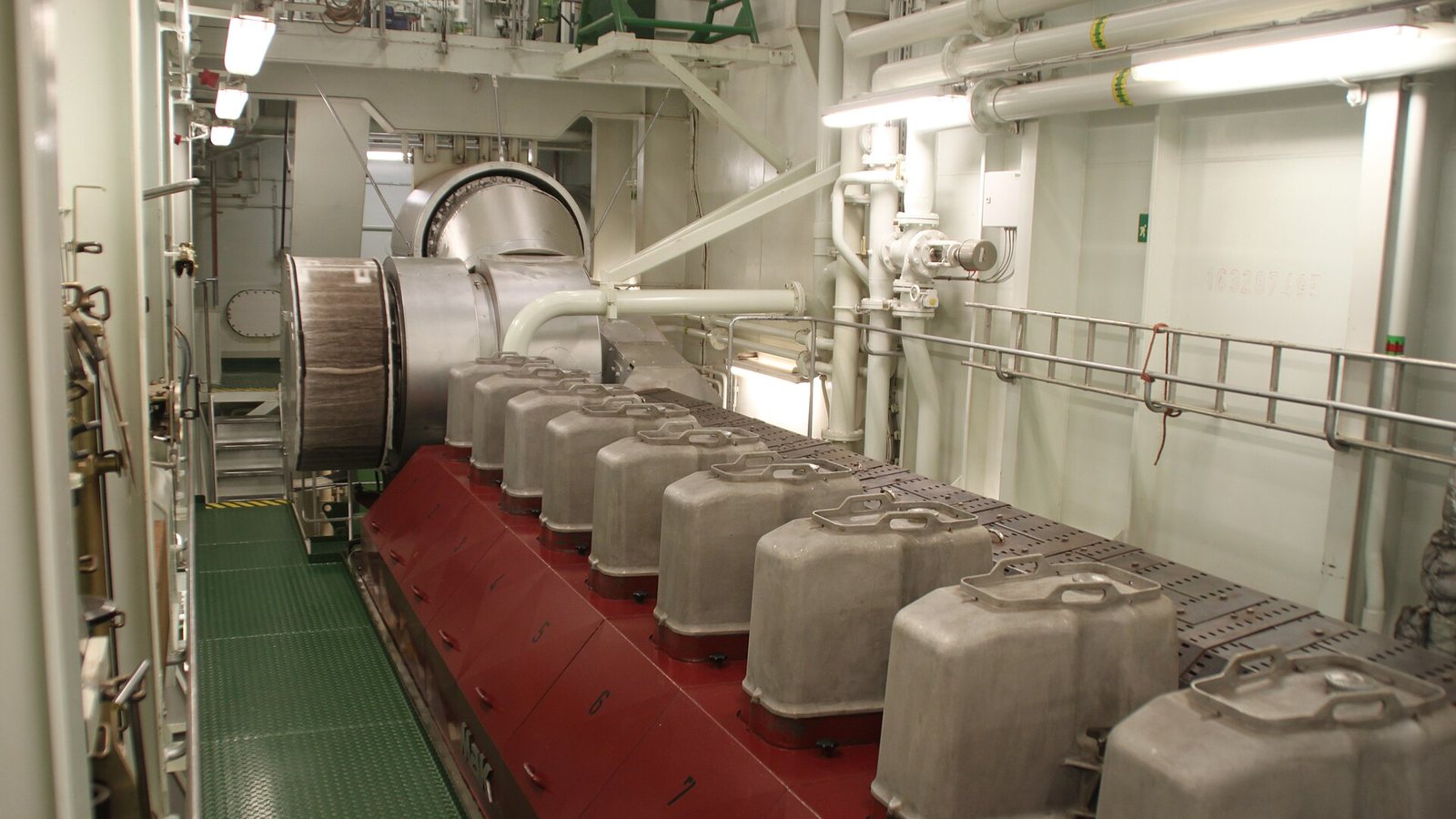
Deutz TCD 2015 Cooling System: Field Service & Overhaul Protocol
Precision Maintenance for Deutz TCD 2015 Cooling Systems
The Deutz TCD 2015 series, available in V6 and V8 configurations, is a workhorse for marine auxiliary and propulsion applications. While its modular design is lauded for serviceability, the cooling system remains a critical failure point if not maintained to exacting standards. For fleet managers and ship superintendents, ensuring thermal stability is not merely about preventing alarms; it is about protecting the cylinder heads and turbocharger housings from irreversible thermal stress.
This technical guide outlines the professional protocol for servicing the TCD 2015 cooling circuit, focusing on component-level diagnostics and overhaul procedures.
The Dual-Circuit Architecture
The TCD 2015 utilizes a closed-circuit liquid cooling system. In marine applications, this typically interfaces with a raw water heat exchanger. Key components include:
* Coolant Pump: Geared-driven, located at the front of the engine.
* Thermostats: Dual-wax element type designed to open at 83°C or 87°C depending on the specific engine rating.
* Oil Cooler: Integrated into the crankcase cooling jacket to maintain lubricant viscosity.
* Charge Air Cooler (Intercooler): Critical for maintaining air density and preventing high EGTs (Exhaust Gas Temperatures).
Step-by-Step Cooling System Overhaul Protocol
1. Chemical Cleaning and Descaling
Over time, calcium deposits and silicate dropout reduce the heat transfer coefficient of the heat exchanger tubes.
* Procedure: Circulate a 5-10% phosphoric acid solution or a proprietary marine descaler through the raw water side.
* Target: Ensure the pressure drop across the heat exchanger is within 0.2 - 0.5 bar at rated RPM.
* Inspection: Remove the end covers to inspect the sacrificial zinc anodes. If more than 50% consumed, replace immediately to prevent galvanic corrosion of the CuNi tubes.
2. Coolant Pump Inspection and Replacement
The TCD 2015 coolant pump (Part No. 04265909 or equivalent) is a high-wear item.
* Leakage Hole: Check the weep hole located behind the pump pulley. Any sign of crystallized coolant indicates a failing mechanical seal.
* Bearing Play: Use a dial indicator to check radial and axial play. If play exceeds 0.1mm, the pump must be replaced to prevent impeller-to-housing contact.
* Gasket Integrity: Always use genuine metal-elastomer gaskets; RTV silicone should never be used as a primary sealant here as it can migrate and clog the thermostat bypass.
3. Thermostat Testing and Calibration
Thermostats are frequently overlooked during minor services but are the primary cause of overcooling or overheating.
* Test: Place the thermostat in a water bath with a calibrated thermometer.
* Specification: The valve should begin opening at the stamped temperature (± 2°C) and achieve full lift (typically 8mm to 10mm) at 12°C above the opening temperature.
* Replacement: In marine environments, replace thermostats every 2,000 to 3,000 operating hours as a preventive measure.
Actionable Maintenance Intervals
| Task | Interval (Hours) | Key Parts Involved |
|---|---|---|
| Coolant Concentration Check | 250 | Refractometer, Nitrite strips |
| Zinc Anode Inspection | 500 | Sacrificial Anodes |
| External Radiator/HEX Cleaning | 1,000 | Degreasing agents |
| Thermostat Replacement | 3,000 | P/N 04224841 |
| Coolant Pump Overhaul | 6,000 | P/N 04265909 |
| Major Heat Exchanger Service | 12,000 | Gasket kits, O-rings |
The Importance of Genuine Deutz Spares
The TCD 2015 operates with high injection pressures and significant thermal loads. Non-genuine coolant pumps often utilize inferior seal materials that cannot withstand the vibration profiles of a V-engine. Furthermore, using generic thermostats can lead to 'thermal cycling,' where the engine temperature fluctuates rapidly, causing fatigue in the cylinder head gaskets.
Genuine Deutz spare parts ensure that the cooling capacity matches the engine's heat rejection requirements. At MarineLink Solutions, we emphasize that a 5% saving on an aftermarket pump is not worth the $20,000 risk of a cracked cylinder head or a seized turbocharger.
Troubleshooting Common Cooling Issues
* Aeration in the System: Often caused by a faulty expansion tank cap (pressure relief valve). If the system cannot pressurize, the boiling point of the coolant drops, leading to localized cavitation around the cylinder liners.
* Oil in Coolant: Usually indicates a failure of the internal oil cooler elements. This requires an immediate flush of the entire system with a degreasing agent to prevent rubber hose degradation.
* Low Coolant Flow: Check for slipping drive belts or a loose pump impeller. Ensure the poly-V belt tensioner is within the marked wear range.
Strategic Spare Parts Stocking
For vessels operating in remote regions or tight schedules, we recommend keeping a 'Cooling Critical Kit' on board. This should include:
Effective cooling system management is the most cost-effective way to extend the TBO (Time Between Overhauls) of your Deutz TCD 2015. By following these technical protocols and utilizing high-quality components, you ensure the long-term reliability of your fleet's power generation and propulsion assets.
Contact MarineLink Solutions today for technical support or to procure genuine spare parts for your Deutz TCD 2015 fleet. Our global logistics network ensures that critical cooling components reach your vessel at the next port of call.
Need Spare Parts?
MarineLink Solutions supplies genuine parts for all major marine engine brands. Contact us for a fast, competitive quote.
Request a Quote