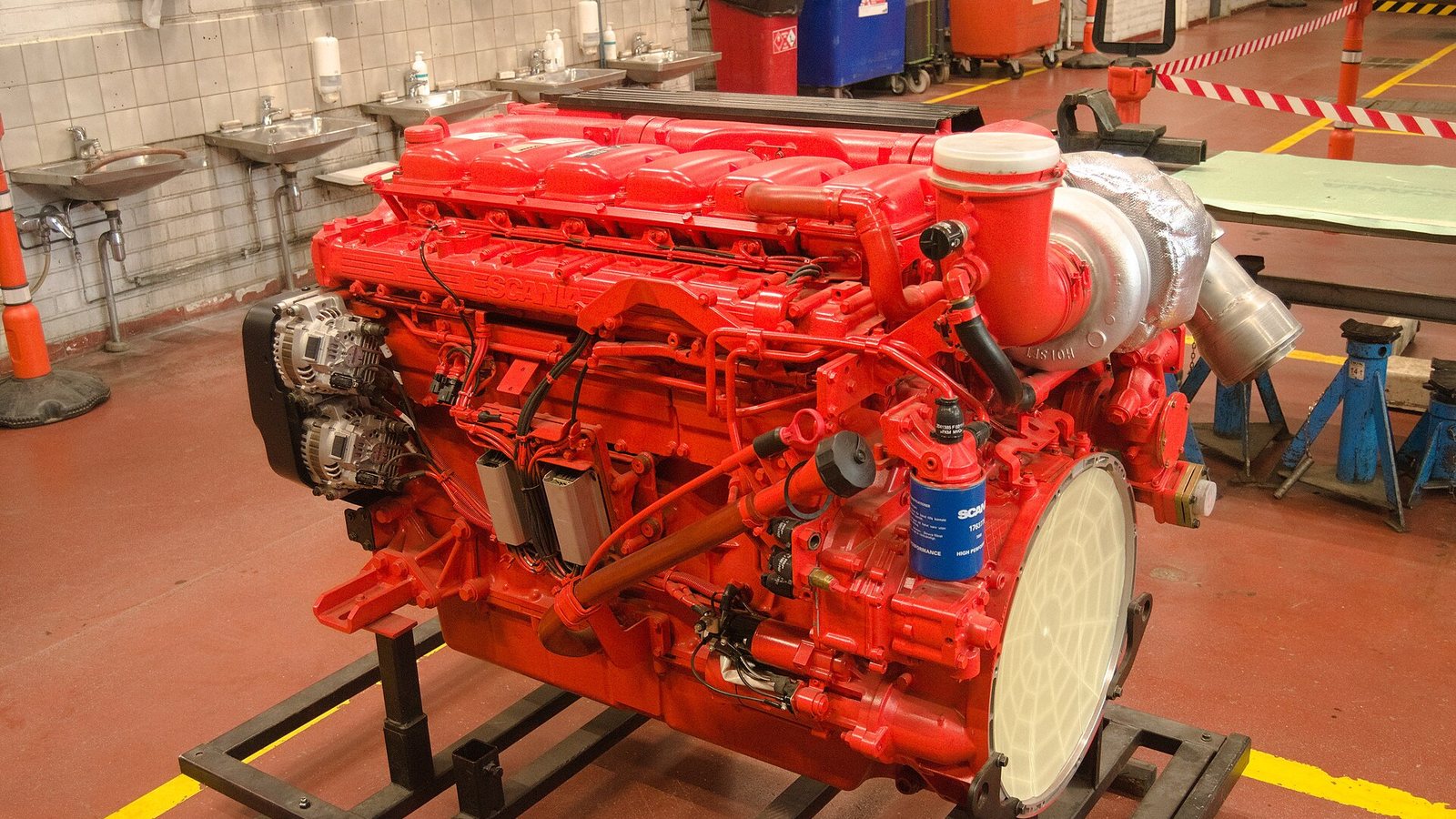
Verifying Genuine OEM Marine Parts: A Technical Verification Guide
The Hidden Risk of Non-Genuine Marine Components
For ship superintendents and marine engineers, the pressure to reduce OpEx often leads to a search for lower-cost spare parts. However, the market for counterfeit and sub-standard marine components has become increasingly sophisticated. While a counterfeit part may offer a 30% saving upfront, the technical risks—ranging from catastrophic engine failure to insurance claim denials—far outweigh the initial cost benefits.
Genuine OEM (Original Equipment Manufacturer) parts are engineered to exact tolerances, metallurgy, and heat-treatment specifications. Counterfeit parts often mimic the aesthetic appearance of the original but fail to meet the structural integrity required for high-pressure marine environments. This guide outlines the technical procedures for verifying component authenticity.
1. Physical Inspection and Material Discrepancies
When a consignment arrives, a preliminary physical audit is the first line of defense. High-quality counterfeiters can replicate packaging, but they often struggle with precision manufacturing markers.
Machining Marks and Surface Finish
OEM parts, particularly for high-stress components like fuel injection pumps or connecting rod bolts, undergo specific finishing processes. Look for:
* Consistency in Tooling Marks: Genuine parts show uniform CNC machining patterns. Counterfeits often exhibit irregular circular marks or rougher surface finishes (Ra values) that exceed design limits.
* Casting Flaws: Inspect non-machined surfaces. Genuine castings from manufacturers like MAN Energy Solutions or Wärtsilä are clean and free of blowholes, sand inclusions, or excessive flashing.
* Heat Treatment Indicators: Check for the characteristic discoloration of induction hardening on gear teeth or camshaft lobes. If the hardening pattern is inconsistent, the part is likely a sub-standard imitation.
2. Documentation and Traceability Audits
Authentic parts are accompanied by a robust paper trail. Lack of transparency in the supply chain is a primary red flag.
* Certificate of Conformity (CoC): Ensure the CoC is issued by the actual manufacturer, not just the trading house. Verify that the serial numbers on the document match the stampings on the hardware.
* QR Codes and Holograms: Modern OEMs utilize encrypted QR codes or micro-optical holograms on packaging. Use the manufacturer’s official app (e.g., the Wärtsilä 360 app or similar OEM tools) to scan and verify the digital signature.
* Batch Coding: Genuine parts like piston rings or cylinder liner O-rings are marked with batch numbers that correlate to specific production dates and material batches. Cross-reference these with the delivery note.
3. The Danger of "Will-Fit" Parts in High-Pressure Systems
In systems such as Common Rail fuel injection or turbocharger assemblies, the difference between an OEM part and a "will-fit" counterfeit is measured in microns.
Case Study: Fuel Injector Nozzles
A counterfeit nozzle may have the correct external dimensions but incorrect internal spray hole geometry. This leads to:
* Poor atomization and incomplete combustion.
* Localized hotspots on the piston crown, leading to thermal cracking.
* Increased carbon buildup on valves.
Using genuine nozzles ensures that the discharge coefficient matches the engine's ECU mapping, maintaining IMO Tier II/III compliance.
4. Technical Comparison: Weights and Dimensions
If authenticity is in doubt, engineers should perform a comparative analysis against the old part being replaced (assuming it was a known genuine component) or the technical manual specs.
* Weight Verification: Counterfeiters often use lower-grade alloys with different densities. A weight discrepancy of more than 2% in a piston or connecting rod can cause significant reciprocating imbalance and vibration.
* Tolerance Checks: Use calibrated micrometers to check critical dimensions. For example, a MAN B&W 32/40 fuel pump plunger has clearances so tight that even a 3-micron deviation can lead to seizure at operating temperatures.
5. Maintenance Intervals and Reliability Data
Integrating genuine parts into your Planned Maintenance System (PMS) allows for predictable wear cycles. Counterfeit parts disrupt these intervals, making predictive maintenance impossible.
| Component Type | OEM Expected Life (Hours) | Counterfeit Failure Mode |
|---|---|---|
| Main Bearing Shells | 32,000 - 48,000 | Delamination of white metal |
| Exhaust Valve Spindles | 12,000 - 18,000 | Rapid seat erosion / Stem snapping |
| Turbocharger Bearings | 8,000 - 12,000 | Excessive vibration / Seizure |
| Fuel Injector Nozzles | 4,000 - 8,000 | Tip carbonization / Needle sticking |
6. Sourcing Strategy for Fleet Managers
To eliminate the risk of counterfeits, fleet managers should adopt a "Tiered Vendor Policy":
Avoid "Grey Market" traders who cannot provide a clear chain of custody from the factory to the port. If a price seems too good to be true—specifically for critical internal engine components—it is almost certainly a counterfeit.
Conclusion
The integrity of your vessel depends on the integrity of its components. Verifying genuine OEM parts requires a combination of physical scrutiny, digital verification, and strict procurement standards. By prioritizing traceability and material quality, technical managers can prevent costly mid-voyage failures and extend the operational life of their assets.
At MarineLink Solutions, we specialize in sourcing and verifying high-quality marine spares with a commitment to absolute transparency. Contact our technical team today to discuss your upcoming dry-docking requirements and ensure your fleet is equipped with genuine reliability.
Need Spare Parts?
MarineLink Solutions supplies genuine parts for all major marine engine brands. Contact us for a fast, competitive quote.
Request a Quote