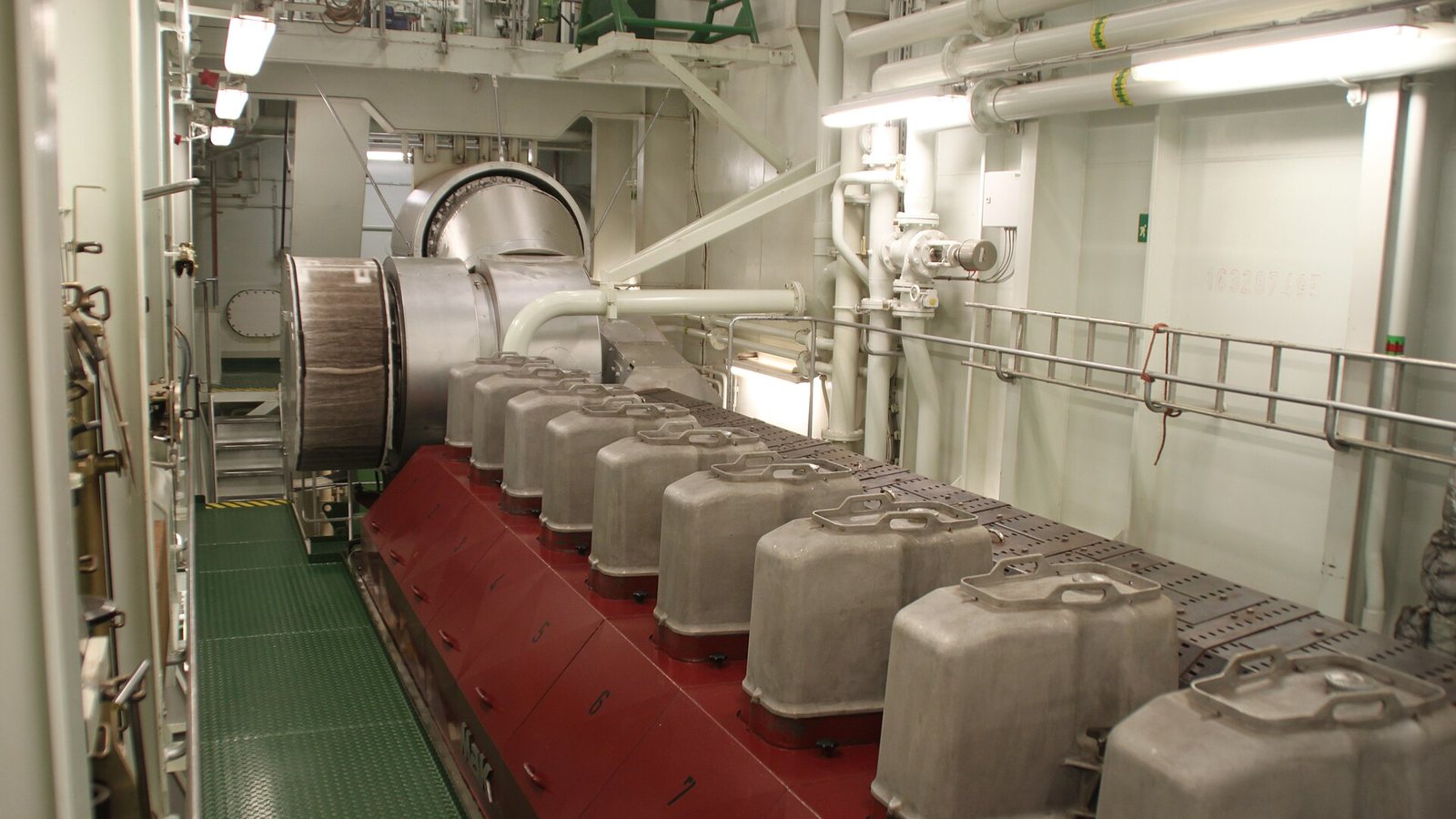
Cummins KTA38 Bearing Shell Fatigue and Crankshaft Alignment
Introduction to KTA38 Bearing Integrity
The Cummins KTA38 is a workhorse in the marine industry, frequently powering tugs, trawlers, and offshore supply vessels. While renowned for its durability, the engine's high-torque output places significant stress on the main and connecting rod bearings. For ship superintendents and fleet managers, understanding the nuances of bearing shell fatigue and the precision required during replacement is critical to preventing catastrophic crankshaft failure.
This guide focuses on the technical execution of bearing inspections, interpreting wear patterns, and the procedural requirements for successful replacement during mid-life interventions or major overhauls.
Diagnostic Indicators: When to Inspect
While scheduled overhauls typically occur at 15,000 to 20,000 hours depending on duty cycle, premature bearing wear can be identified through proactive monitoring. Marine engineers should prioritize inspection if any of the following are observed:
* Oil Analysis Trends: Significant increases in copper (Cu), lead (Pb), or tin (Sn) concentrations over two consecutive samples.
* Oil Pressure Fluctuations: A drop in hot oil pressure below the nominal 35-50 psi (241-345 kPa) at rated speed.
* Filter Debris: Non-magnetic metallic flakes found during a routine centrifugal filter or primary filter bypass inspection.
Measuring Bearing Clearances: The Precision Phase
Before removing bearing shells, initial clearances must be established. For the KTA38, the standard radial clearance for main bearings is typically between 0.10 mm and 0.22 mm (0.004 to 0.009 inches).
Step-by-Step Measurement
Interpreting Wear Patterns
Not all wear requires immediate shell replacement, but specific patterns indicate systemic issues:
* Edge Loading: Polishing or wear concentrated on one edge of the bearing shell suggests a misaligned crankshaft or a distorted engine block bore.
* Imbedded Contaminants: Small scratches or circular scores indicate that the filtration system has been bypassed or that oil changes were deferred.
* Fatigue Spalling: The breaking away of the babbitt material from the steel backing. This is a sign of extreme cylinder pressures or end-of-life cycle for the component.
Technical Execution of Replacement
When replacing bearings, the cleanliness of the crankcase is paramount. A single speck of grit behind a bearing shell can create a high spot, leading to localized heating and eventual seizure.
* Initial Torque: 176 N·m [130 ft-lb]
* Second Step: 339 N·m [250 ft-lb]
* Final Step: Turn 90 degrees.
* *Note: Always use new capscrews, as these are subject to significant stretch.*
The Criticality of Genuine Spares
Using non-genuine or "will-fit" bearings in a KTA38 is a high-risk strategy. Cummins genuine bearings (typically Part No. 3014320 for mains) are engineered with a specific tri-metal composition designed to handle the thermal expansion rates of the K-series block. Aftermarket shells often lack the precise crush-fit tolerances required to maintain heat transfer between the shell and the housing. A failure in heat transfer leads to rapid shell spinning and total engine loss.
MarineLink Solutions recommends maintaining a stock of standard and 0.25mm undersize shells to account for unexpected journal wear during port-stay inspections.
Summary and Reliability Strategy
Bearing maintenance is not merely a task of swapping parts; it is an exercise in precision engineering. By adhering to strict clearance limits and torque sequences, fleet managers can extend the KTA38's life well beyond the 20,000-hour mark.
If you are planning a mid-life overhaul or require a technical audit of your Cummins KTA38 power plants, MarineLink Solutions provides the technical expertise and genuine spare parts logistics to minimize your vessel's downtime. Contact our engineering team today for a comprehensive component supply strategy.
Need Spare Parts?
MarineLink Solutions supplies genuine parts for all major marine engine brands. Contact us for a fast, competitive quote.
Request a Quote