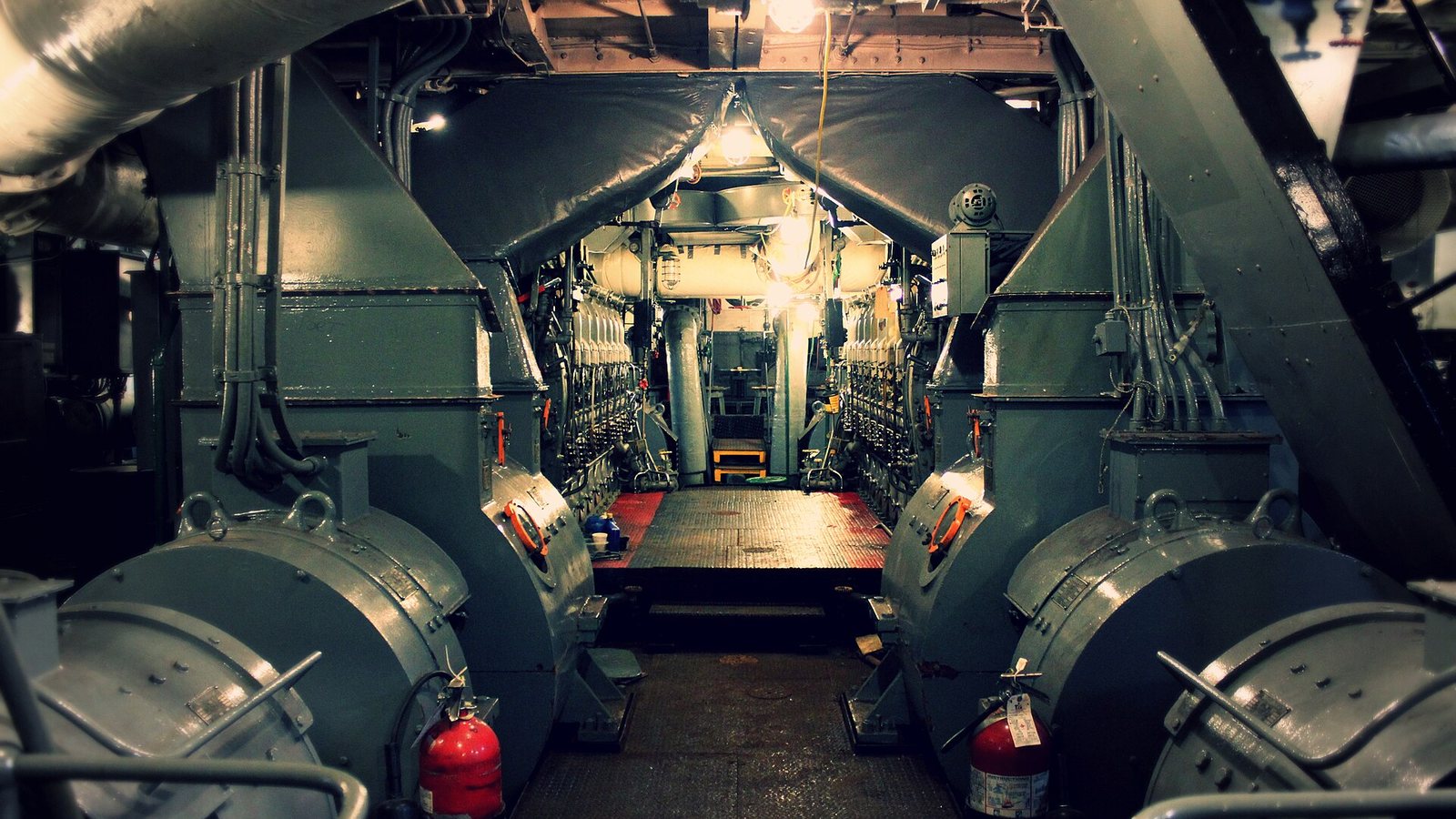
Cummins KTA38 Bearing Inspection and Replacement Protocol
Precision Maintenance for the Cummins KTA38 Rotating Assembly
The Cummins KTA38 is a staple in marine propulsion and power generation due to its robust architecture and reliability. However, as a high-displacement V12 engine frequently subjected to varying loads and continuous duty cycles, the integrity of its crankshaft bearings is paramount.
For ship superintendents and chief engineers, understanding the transition from routine oil analysis to physical bearing inspection is critical for preventing catastrophic crankshaft failure. This guide outlines the technical requirements for inspecting and replacing main and connecting rod bearings in the KTA38 series.
Identifying Symptoms of Bearing Distress
While scheduled overhauls typically dictate bearing replacement, mid-cycle inspections may be triggered by specific operational indicators:
* Oil Pressure Fluctuations: A gradual decline in oil pressure at operating temperatures often indicates increased bearing clearances.
* Metallic Contamination: Presence of non-ferrous material (copper, lead, or tin) in the oil filters or via Spectrometric Oil Analysis Program (SOAP).
* Acoustic Changes: Rhythmic knocking or increased vibration localized to the lower block.
* Temperature Spikes: Unusual rises in individual main bearing temperatures if the vessel is equipped with continuous monitoring probes.
The Inspection Protocol: Assessing Wear Patterns
Upon removal, bearings should be cleaned and inspected under high-intensity lighting. Engineers must be able to distinguish between normal seating patterns and pathological wear.
1. Normal Wear
Uniform grey or dull silver appearance across the load zone. This indicates the hydrodynamic oil film has remained intact.
2. Abrasive Wear
Circular scoring or tracking caused by debris. If found, the lubrication system, including the centrifugal oil cleaners and full-flow filters, must be scrutinized for bypass issues.
3. Fatigue Pitting
Small craters in the lining material, typically resulting from localized overloading or high-cycle vibration. This may suggest improper timing or fuel injection issues causing excessive cylinder pressures.
4. Cavitation Erision
Small, localized pits often found in the upper half of the connecting rod bearings, caused by rapid pressure changes in the oil film.
Critical Technical Specifications
When conducting a bearing replacement, adhering to Cummins' factory tolerances is non-negotiable.
* Main Bearing Journal Diameter: 158.719 – 158.750 mm (6.2488 – 6.2500 in).
* Connecting Rod Journal Diameter: 114.262 – 114.300 mm (4.4985 – 4.5000 in).
* Main Bearing Bolt Torque: Initial torque to 203 Nm (150 ft-lb), then 407 Nm (300 ft-lb), followed by an additional 90-degree turn (always verify against the specific CPL/Manual).
Mandatory Measurement: Use Plastigage or micrometers to verify oil clearance. For a KTA38, the standard main bearing clearance should typically fall between 0.107 and 0.218 mm (0.0042 to 0.0086 in).
The Replacement Procedure
The Role of Genuine Spares in Rotating Assemblies
In the high-stress environment of a KTA38, the quality of the bearing metallurgy is the only defense against metal-to-metal contact during start-up and transient loading. Genuine Cummins bearings utilize a specific tri-metal construction (typically steel back, copper-lead intermediate layer, and a precision tin-lead overlay).
Non-genuine alternatives often fail to maintain the strict dimensional tolerances required for the 'crush' fit. Incorrect crush results in poor heat dissipation and shell movement, which can ruin a cylinder block or crankshaft in a matter of hours. Always verify part numbers (e.g., 3016760 for standard main sets) and ensure the packaging carries the holographic security markings.
Conclusion and Fleet Reliability
Bearing maintenance on the Cummins KTA38 is not merely a task of swapping parts; it is a precision engineering exercise. By maintaining rigorous inspection standards and utilizing only OEM-spec components, fleet managers can extend the Mean Time Between Overhauls (MTBO) and avoid the prohibitive costs of emergency dry-docking.
MarineLink Solutions specializes in the rapid procurement and technical support for Cummins KTA38 components. Whether you require standard bearing sets or oversized shells for a crankshaft regrind, our global logistics network ensures your vessel stays operational.
Contact MarineLink Solutions today for a technical consultation on your next scheduled KTA38 overhaul.
Need Spare Parts?
MarineLink Solutions supplies genuine parts for all major marine engine brands. Contact us for a fast, competitive quote.
Request a Quote