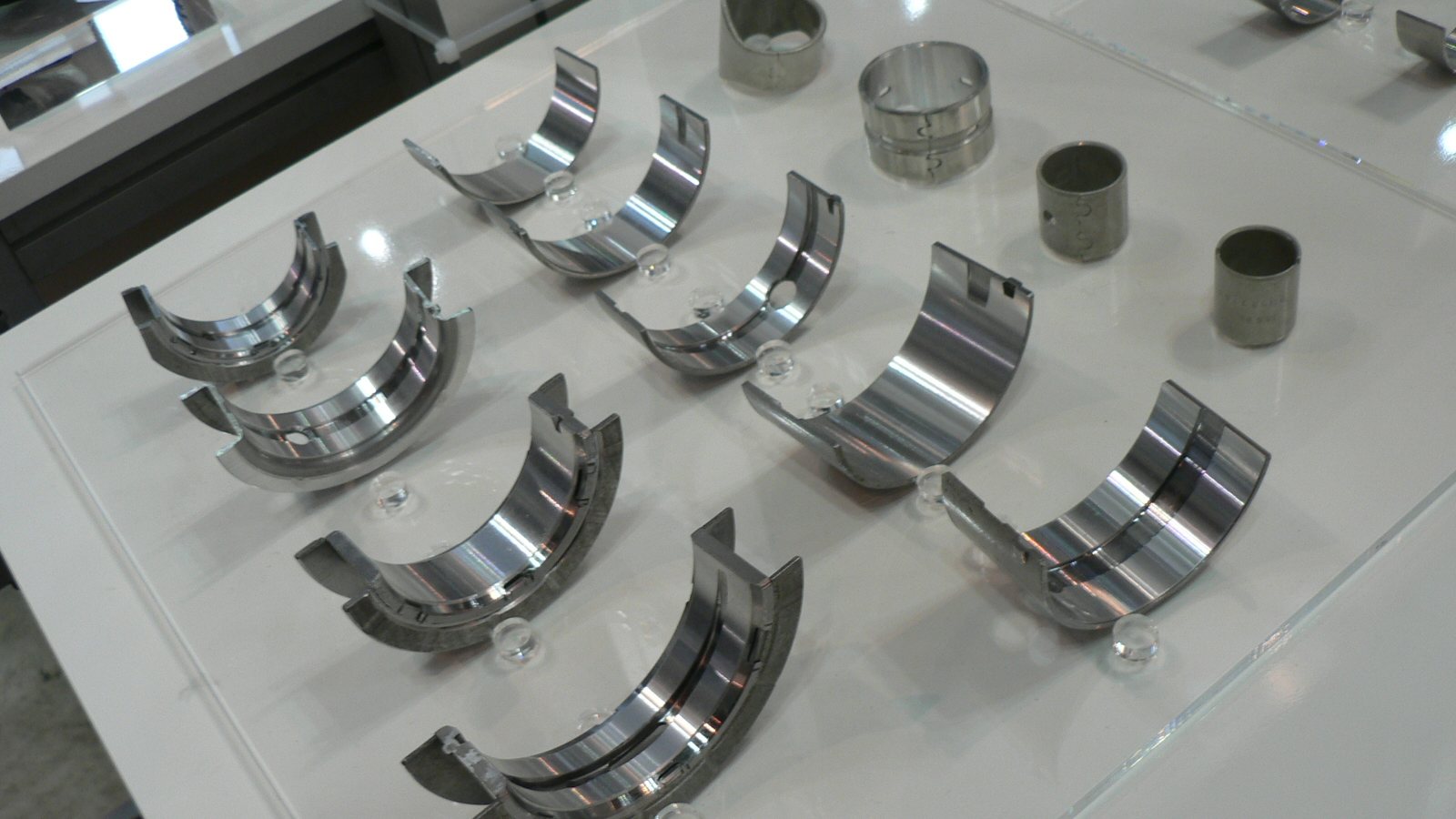
Cummins KTA38 Bearing Inspection: Wear Limits & Field Replacement
Precision Diagnostics for Cummins KTA38 Main and Rod Bearings
The Cummins KTA38 is the workhorse of the maritime industry, known for its robustness in tugs, trawlers, and offshore support vessels. However, the longevity of this V12 powerhouse depends entirely on the integrity of its hydrodynamic lubrication system, specifically the main and connecting rod bearings.
For ship superintendents and fleet managers, understanding the transition from routine inspection to necessary replacement is critical for preventing catastrophic crankshaft failure. This guide focuses on the technical nuances of bearing shell diagnostics, clearance measurements, and the replacement protocol required to maintain engine reliability.
Identifying Bearing Distress: Visual Inspection Cues
During a scheduled top-end or mid-life inspection, the physical condition of the bearing shells provides a direct narrative of the engine’s health. Marine engineers should look for specific wear patterns:
* Polishing and Normal Wear: A dull gray appearance in the load zone is standard. If the underlying copper-lead lining is visible, the overlay has worn through, indicating the bearing is approaching its service limit.
* Erosion and Pitting: Often a sign of cavitation or moisture in the lube oil. In marine environments, this is frequently linked to cooling system leaks or prolonged idling.
* Scoring: Circular grooves indicate debris contamination. If these grooves can be felt with a fingernail, the bearing must be replaced, and the oil filtration system inspected.
* Wiping: Smearing of the bearing material suggests a momentary loss of oil film or localized overheating.
Technical Specifications: Clearance and Limits
Precision measurement is the only way to validate bearing health. For the KTA38, the standard design clearances are tight, and exceeding these limits leads to a drop in oil pressure and increased vibration.
Main Bearing Specifications
* Standard Clearance: 0.102 – 0.203 mm (0.004 – 0.008 in)
* Maximum Limit: 0.254 mm (0.010 in)
Connecting Rod Bearing Specifications
* Standard Clearance: 0.076 – 0.152 mm (0.003 – 0.006 in)
* Maximum Limit: 0.203 mm (0.008 in)
Use Plastigage or micrometers for verification. If the clearance exceeds the maximum limit, or if the crankshaft journal shows ovality beyond 0.05 mm, immediate replacement and potentially journal grinding are required.
The KTA38 Bearing Replacement Protocol
When replacement is deemed necessary, the process must be surgical to prevent the introduction of contaminants into the crankcase.
The Criticality of Genuine Cummins Spare Parts
In the marine sector, the temptation to use "will-fit" aftermarket bearings is high due to lower initial costs. However, for a high-displacement engine like the KTA38, this is a high-risk strategy.
Genuine Cummins bearings are engineered with a specific tri-metal composition (steel backing, copper-lead mid-layer, and a precision babbitt overlay) designed to handle the cylinder pressures of the KTA38's 38-liter displacement. Aftermarket alternatives often lack the consistent crush-fit dimensions and metallurgical integrity required to withstand the corrosive environment of marine diesel fuel and varying oil temperatures. Using genuine parts ensures that the thermal expansion rates match the engine block, preventing spun bearings during high-load operations.
Maintenance Intervals and Preventative Action
To maximize the intervals between bearing replacements, MarineLink Solutions recommends the following protocol:
* Oil Analysis: Every 250–500 hours. Look for increases in Lead (Pb), Tin (Sn), and Aluminum (Al).
* Filter Inspection: Cut open oil filters during every change to check for non-ferrous metal flakes.
* Vibration Analysis: Perform semi-annual vibration checks to identify main bearing wear before it manifests as physical damage.
Maintaining the bottom end of a Cummins KTA38 requires technical discipline and high-quality components. By adhering to strict clearance limits and using OEM-grade spares, fleet managers can ensure their vessels remain operational and avoid the astronomical costs of emergency dry-docking.
For technical support, genuine Cummins spare parts sourcing, or expert consultation on your KTA38 maintenance schedule, contact the engineering team at MarineLink Solutions today.
Need Spare Parts?
MarineLink Solutions supplies genuine parts for all major marine engine brands. Contact us for a fast, competitive quote.
Request a Quote