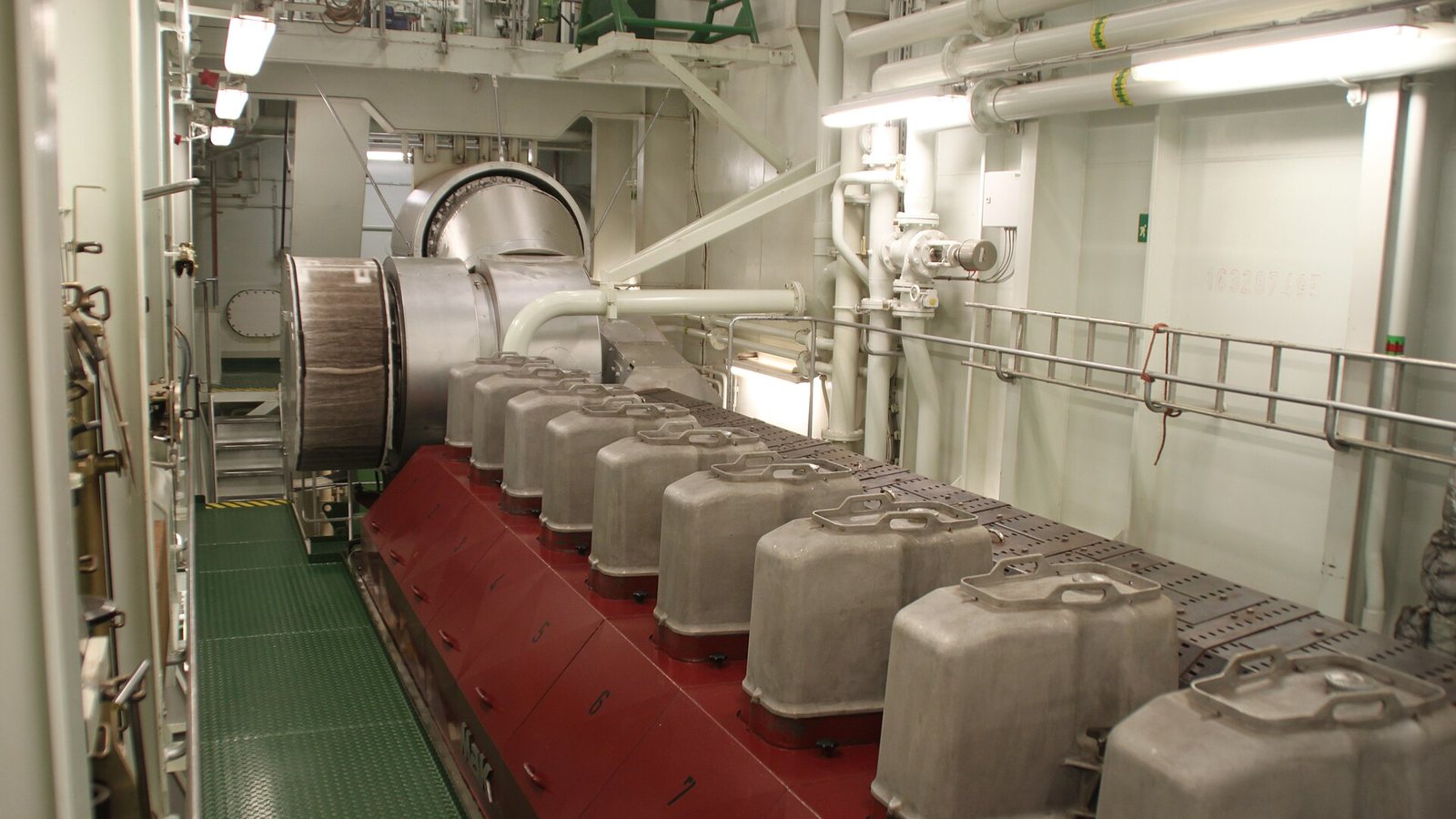
Combating Charge Air Cooler Efficiency Decay at Sea
Introduction: The Criticality of the Charge Air Cooler (CAC)
In high-output marine diesel engines, the charge air cooler (CAC) is not merely a heat exchanger; it is a fundamental component of the combustion cycle. By reducing the temperature of the air post-turbocharger, the CAC increases air density, allowing for a greater mass of oxygen to enter the combustion chamber. This leads to higher thermal efficiency and reduced NOx emissions.
However, the harsh environment of the engine room and the constant intake of saline air make the CAC highly susceptible to fouling. For ship superintendents and fleet managers, understanding the progression of CAC efficiency decay is essential for maintaining engine performance and avoiding catastrophic turbocharger surge or thermal overloading of exhaust valves.
Mechanisms of Fouling: Air-Side vs. Water-Side
Fouling occurs through two primary mechanisms, each presenting unique diagnostic challenges:
1. Air-Side Fouling
This is primarily caused by oil mist carry-over from the crankcase breather or leaks from the turbocharger compressor-side seals. When this oil mist combines with atmospheric dust and salt particles, it creates a tenacious, sticky film on the cooling fins.
2. Water-Side Fouling
Since most CACs use seawater as the cooling medium, they are prone to calcium carbonate scaling, marine growth (biofouling), and silt accumulation.
Key Performance Indicators (KPIs) for Monitoring
To prevent performance loss, engine room teams must monitor several key metrics beyond simple temperature readings.
The Scavenge Air Temperature Differential
A healthy CAC should maintain the scavenge air temperature within 5–10°C of the cooling water inlet temperature (depending on engine load and ambient conditions). If this differential exceeds 15°C, fouling is likely advanced.
Differential Pressure (ΔP)
The pressure drop across the air side should be logged at fixed intervals (e.g., 500 hours). An increase of 20% over the sea trial baseline indicates significant debris buildup on the fins.
Fuel Consumption Impact
For every 10°C increase in scavenge air temperature, the Specific Fuel Oil Consumption (SFOC) can increase by approximately 0.5% to 1.0%. Over a long-haul voyage, this translates to thousands of dollars in wasted fuel and increased carbon intensity.
Actionable Maintenance Intervals
Effective maintenance requires a proactive approach rather than waiting for an alarm condition. MarineLink Solutions recommends the following intervals based on medium-speed engine service profiles:
* Daily: Log scavenge air temperature, pressure, and TICA. Check for condensate drain functionality.
* Monthly: Visual inspection of the air-side through the inspection hatches (if equipped). Look for signs of oil carry-over.
* 2,000 Hours: In-situ chemical cleaning of the air-side using a specialized degreaser (e.g., ACC-9).
* 8,000 to 12,000 Hours (Major Overhaul): Remove the CAC insert for ultrasonic cleaning and hydrostatic testing. Replace all gaskets and seals.
The Risks of Delayed Maintenance
Ignoring CAC fouling leads to a dangerous feedback loop. High scavenge air temperatures result in higher exhaust gas temperatures. This increases the thermal load on cylinder heads, exhaust valves, and the turbocharger turbine.
Furthermore, as the air-side pressure drop increases, the turbocharger must work harder to deliver the required mass flow. This moves the operating point closer to the surge line, risking mechanical damage to the turbocharger bearings and compressor wheel.
The Importance of Genuine Components and Seals
When performing a CAC overhaul, the quality of replacement parts is paramount. The CAC operates under significant thermal cycling and vibration. Using non-OEM gaskets or low-quality sealants often leads to bypass leaks, where hot air circumventing the cooling fins goes directly into the engine.
Genuine MarineLink-sourced seals and replacement bundles ensure that the thermal expansion coefficients match the original design specifications. This prevents localized stress on the tube plates, which is the leading cause of tube-to-plate leaks and subsequent water ingress into the combustion chamber.
Conclusion
Maintaining charge air cooler efficiency is a cornerstone of marine engineering excellence. By monitoring TICA values and adhering to strict chemical cleaning schedules, fleet managers can significantly reduce fuel costs and extend the lifespan of critical engine components.
For technical support, genuine CAC bundles, or specialized cleaning chemicals, contact MarineLink Solutions today to ensure your fleet operates at peak thermal efficiency.
Need Spare Parts?
MarineLink Solutions supplies genuine parts for all major marine engine brands. Contact us for a fast, competitive quote.
Request a Quote