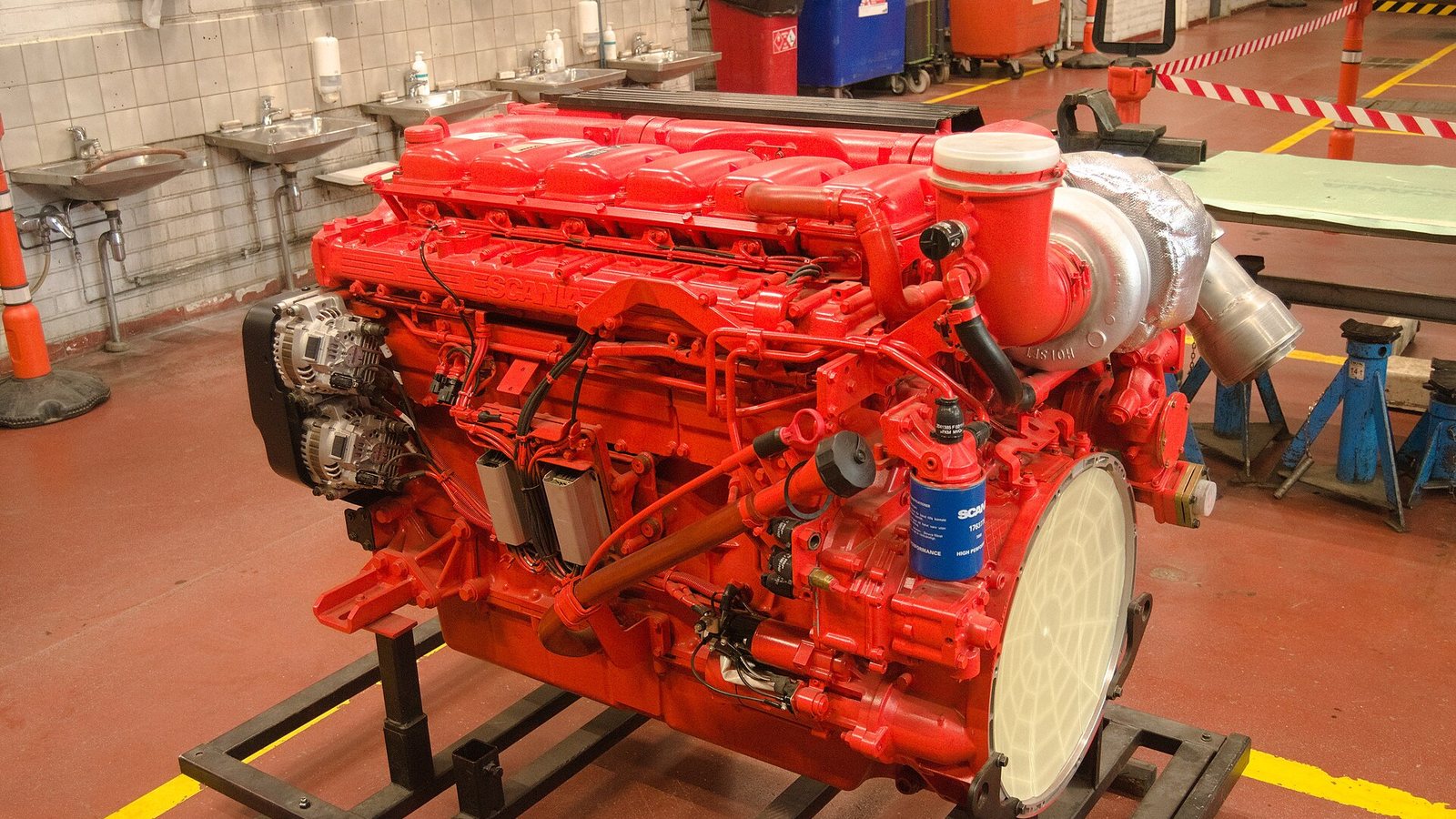
CAT 3516B Turbocharger Maintenance Guide for Marine Engineers
Essential Maintenance for CAT 3516B Turbochargers
The Caterpillar 3516B is a workhorse of the maritime industry, relied upon for its power density and reliability in demanding marine environments. However, the performance of this engine is fundamentally dependent on the health of its turbochargers. For ship superintendents and fleet managers, proactive maintenance of these components is not just a technical necessity—it is a financial imperative to avoid fuel inefficiency and catastrophic engine failure.
Understanding the CAT 3516B Turbocharger System
The CAT 3516B typically utilizes a twin-turbocharged configuration. These units operate at extreme rotational speeds and temperatures, converting exhaust gas energy into compressed air to increase combustion efficiency. Given that exhaust temperatures can exceed 600°C (1,112°F), the margin for error in lubrication and cooling is razor-thin.
Critical Maintenance Intervals
To ensure peak performance, MarineLink Solutions recommends adhering to the following service intervals under standard operating conditions:
Daily/Shift Inspections
* Visual Checks: Inspect for oil or coolant leaks around the turbocharger housing and supply lines.
* Aural Monitoring: Listen for unusual high-pitched whining or vibrating noises which may indicate bearing failure or compressor wheel imbalance.
* Exhaust Stack Observation: Unusual smoke color (black or blue) can indicate restricted air intake or oil seal leakage.
500-Hour Service
* Air Filter Inspection: Inspect and replace air cleaners. Restricted air flow forces the turbocharger to work harder, increasing heat and shaft stress.
* Crankcase Breather: Ensure the breather is clean. High crankcase pressure can prevent oil from draining properly from the turbocharger, leading to seal leakage.
2,000 to 4,000-Hour Service
* Compressor Cleaning: Use a dedicated cleaner to remove salt air deposits and oily film from the compressor wheel to maintain aerodynamic efficiency.
* Fastener Torque: Check all mounting bolts and exhaust manifold nuts. Heat cycling often leads to loosening, which results in exhaust leaks.
8,000-Hour / Major Overhaul
* Bearing Replacement: Even if the unit appears functional, the high-speed bearings of the CAT 3516B turbo are reaching their wear limits.
* Shaft Play Measurement: Measure axial and radial end play against Caterpillar OEM specifications. If tolerances are exceeded, the unit requires a full rebuild or replacement.
Troubleshooting Common Issues
Oil Leakage on the Turbine Side
Often caused by excessive idling or restricted oil return lines. If the oil cannot drain by gravity back to the sump, it is forced past the piston ring seals into the exhaust stream.
Turbocharger Surging
This occurs when air pressure after the compressor is higher than what the engine can ingest. Check for restrictions in the aftercooler or intake manifolds. Constant surging will lead to thrust bearing failure.
Foreign Object Damage (FOD)
Even small particles entering the intake can lead to catastrophic failure. Ensure the integrity of the intake ducting and silencers during every inspection.
The Importance of Genuine Parts and Precision Engineering
When servicing the CAT 3516B, the temptation to use aftermarket components can be high due to lower upfront costs. However, marine engineers must consider the tolerances involved. A genuine CAT turbocharger cartridge or rebuild kit is balanced to G1.0 specifications at speeds exceeding 100,000 RPM.
Non-genuine components often utilize inferior alloys that cannot withstand the thermal cycling found in heavy-duty marine applications. Using genuine parts ensures that the metallurgical properties of the turbine housing and the precision of the journal bearings match the engine's original performance curve. This longevity far outweighs the initial savings of third-party alternatives.
Summary Checklist for Fleet Managers
Maintaining the turbocharger system on your CAT 3516B is the most cost-effective way to preserve your vessel's propulsion or power generation assets. By following a structured inspection regime and utilizing high-quality components, you ensure the safety and efficiency of your fleet.
At MarineLink Solutions, we specialize in the procurement and technical support for Caterpillar marine power systems. If you require expert advice on turbocharger overhauls or need to source genuine CAT 3516B components, contact our technical team today.
Need Spare Parts?
MarineLink Solutions supplies genuine parts for all major marine engine brands. Contact us for a fast, competitive quote.
Request a Quote