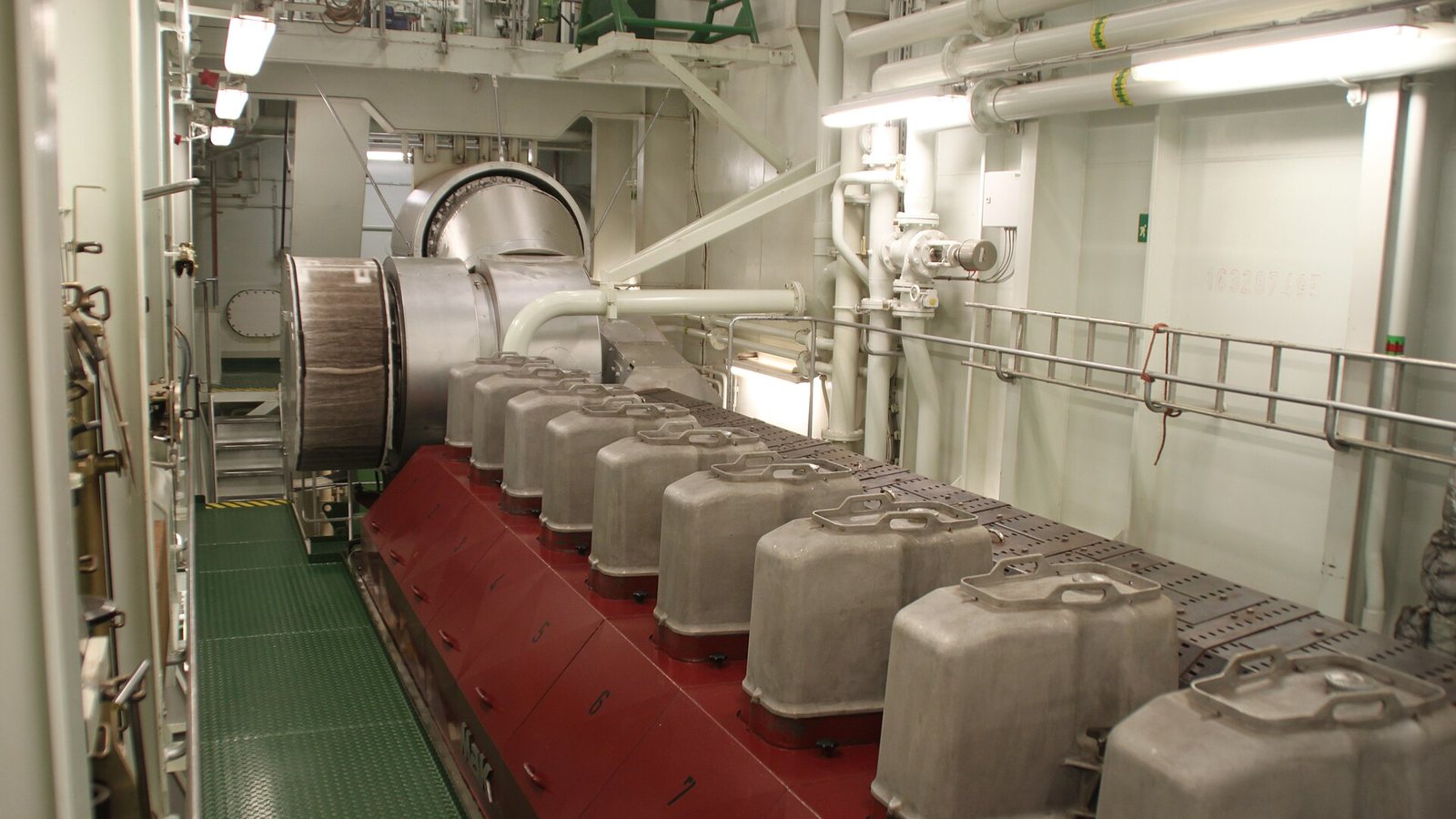
CAT 3516B Turbocharger Maintenance: Maximizing Boost & Reliability
Engineering Overview: The CAT 3516B Turbocharger System
The Caterpillar 3516B is a staple in marine propulsion and auxiliary power, known for its high power-to-weight ratio. Much of this performance relies on the integrity of its turbocharging system. Operating at speeds exceeding 50,000 RPM and exposed to exhaust temperatures reaching 600°C, the turbocharger is a high-stress component where minor maintenance lapses lead to significant fuel consumption increases or catastrophic engine failure.
For ship superintendents and fleet managers, maintaining the CAT 3516B turbocharger is not merely about preventing breakdown; it is about protecting the thermal efficiency of the entire engine block.
Critical Inspection Parameters and Intervals
Adhering to a rigid Preventive Maintenance System (PMS) schedule is vital. For marine applications, the following intervals are recommended for the 3516B series:
* Daily/Per Watch: Monitor boost pressure versus engine load and exhaust gas temperatures (EGT) before and after the turbine. A deviation of >5% from sea trial data indicates fouling or leakage.
* Every 250 Hours: Inspect air filters and crankcase breather elements. Restricted airflow causes the turbocharger to work harder, increasing the pressure ratio and leading to premature bearing wear.
* Every 2,500 Hours: Perform a visual inspection of the compressor wheel for erosion or salt deposit buildup. Check the "tell-tale" hole for signs of oil or coolant leakage, which indicates seal failure.
* Every 8,000 Hours (Mid-Life): Execute a bearing clearance check (radial and axial) using a dial indicator. If clearances exceed Caterpillar specifications (typically 0.10 mm to 0.20 mm depending on the specific model variant), a workshop overhaul is required.
Addressing Common Failure Modes
1. Compressor Fouling and Salt Ingress
In marine environments, salt air is the primary enemy of the compressor wheel. Even with high-efficiency filters, microscopic salt particles can deposit on the vanes, altering the aerodynamic profile. This leads to "surging"—a condition where the air stalls and flows backward, causing massive thrust load spikes on the bearings. Regular cleaning of the compressor side using approved chemical washes or soft media is essential.
2. Lubrication Quality and "Coking"
Turbocharger bearings in the 3516B rely on engine oil for cooling and lubrication. If the engine is shut down immediately after high-load operation without a sufficient cool-down period (typically 3–5 minutes), the residual heat causes the stagnant oil in the bearing housing to "coke." These carbon deposits act as abrasives, rapidly scoring the shaft and bushings.
3. Exhaust Gas Erosion
Sulfur content in fuel, even in VLSFO, contributes to turbine side erosion. Inspect the nozzle ring and turbine blades for thinning or pitting. If the trailing edges of the turbine blades are rounded, the turbocharger's ability to extract energy from the exhaust gas is compromised, leading to higher EGTs and potential cylinder head cracking.
The Technical Importance of Genuine Spares
When overhauling a CAT 3516B turbocharger, the temptation to use aftermarket cartridges (CHRA) or seal kits can be high due to lower upfront costs. However, from a forensic engineering perspective, this is a high-risk strategy.
Genuine Caterpillar or OEM (often Garrett or ABB for specific 3516 configurations) parts are balanced to tolerances that aftermarket manufacturers rarely match. An imbalanced turbine wheel at 50,000 RPM generates centrifugal forces that can shatter the housing, leading to "uncontained failure" where shrapnel exits the casing. Furthermore, genuine O-rings and seals are formulated to withstand the specific synthetic or mineral-based oils used in marine duty, preventing the premature hardening seen in cheaper alternatives.
Troubleshooting Boost Deviations
If the engine is underperforming, use this diagnostic sequence:
Summary for Fleet Managers
Effective CAT 3516B turbocharger maintenance requires a combination of disciplined data logging and high-quality parts sourcing. By monitoring the "Delta P" across the air system and ensuring cool-down cycles are strictly followed, operators can extend the TBO (Time Between Overhaul) significantly, reducing the Total Cost of Ownership (TCO) for the vessel.
MarineLink Solutions specializes in the supply of genuine CAT 3516B components and technical support for turbocharger overhauls. Whether you require a complete replacement unit or a precision seal kit for a port-stay repair, our global logistics network ensures your fleet remains operational. Contact MarineLink Solutions today for technical specifications and procurement support.
Need Spare Parts?
MarineLink Solutions supplies genuine parts for all major marine engine brands. Contact us for a fast, competitive quote.
Request a Quote