Fuel injectors are among the most critical components in any marine diesel engine. Their condition directly affects power output, fuel efficiency, exhaust emissions, and overall engine reliability. Understanding when and how to replace them — and what parts to specify — is essential knowledge for any marine engineer.
Black or excessive exhaust smoke indicating incomplete combustionIncreased fuel consumption without corresponding increase in powerRough engine running or misfiring on one or more cylindersHigh exhaust temperature on specific cylindersFailed injector test bench results — poor spray pattern, incorrect opening pressure, or leakageBefore replacement, always bench test injectors to confirm failure:
Opening pressure test — Verify the injector opens at the manufacturer's specified pressure (typically 200–350 bar for medium-speed engines)Spray pattern test — The spray should be a fine mist in the correct pattern for the nozzle typeSeat leakage test — No fuel should drip from the nozzle tip at 10 bar below opening pressureBack leakage test — Excessive back leakage indicates worn needle and body clearancesFor marine fuel injectors, you have three main options:
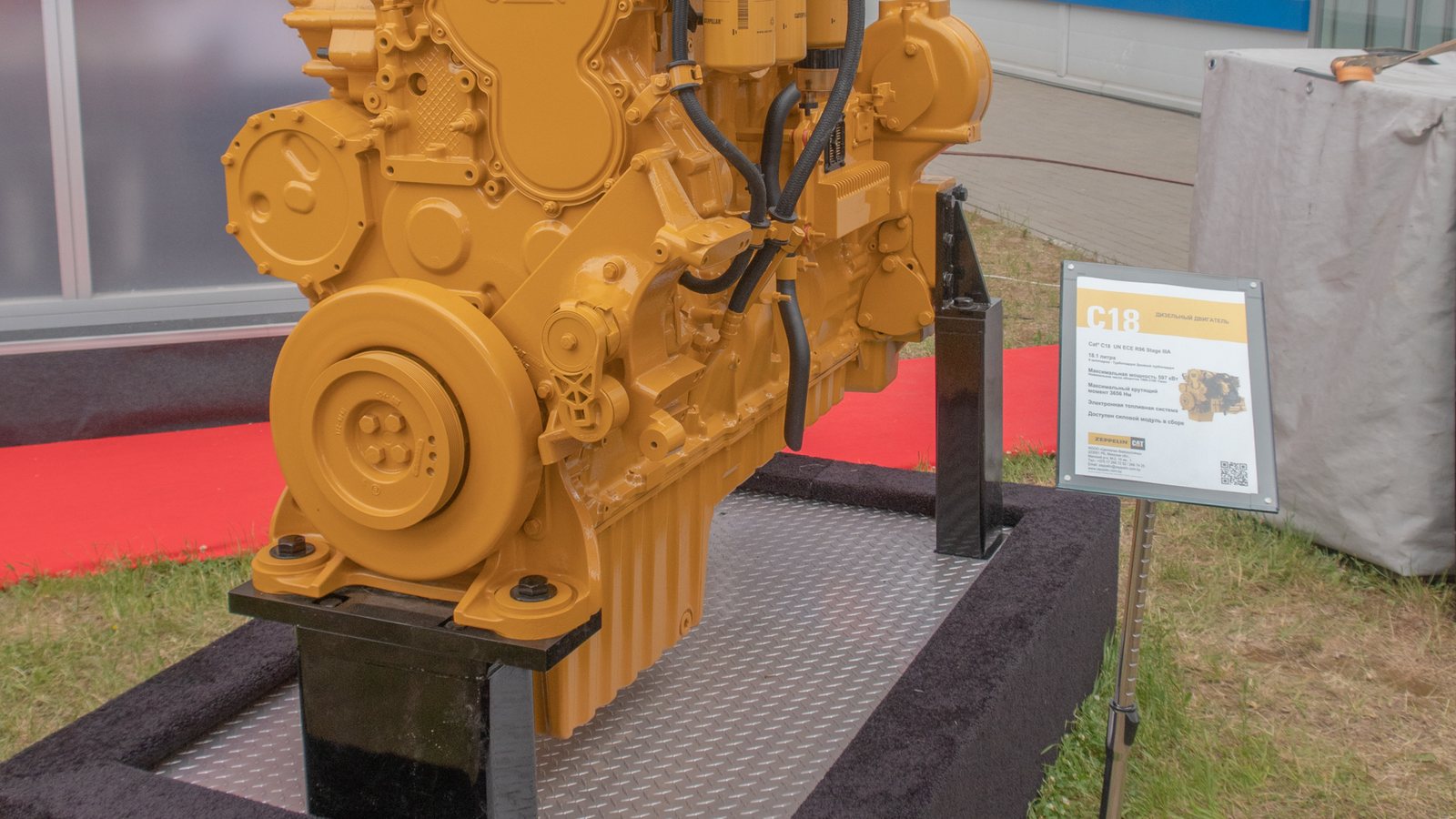
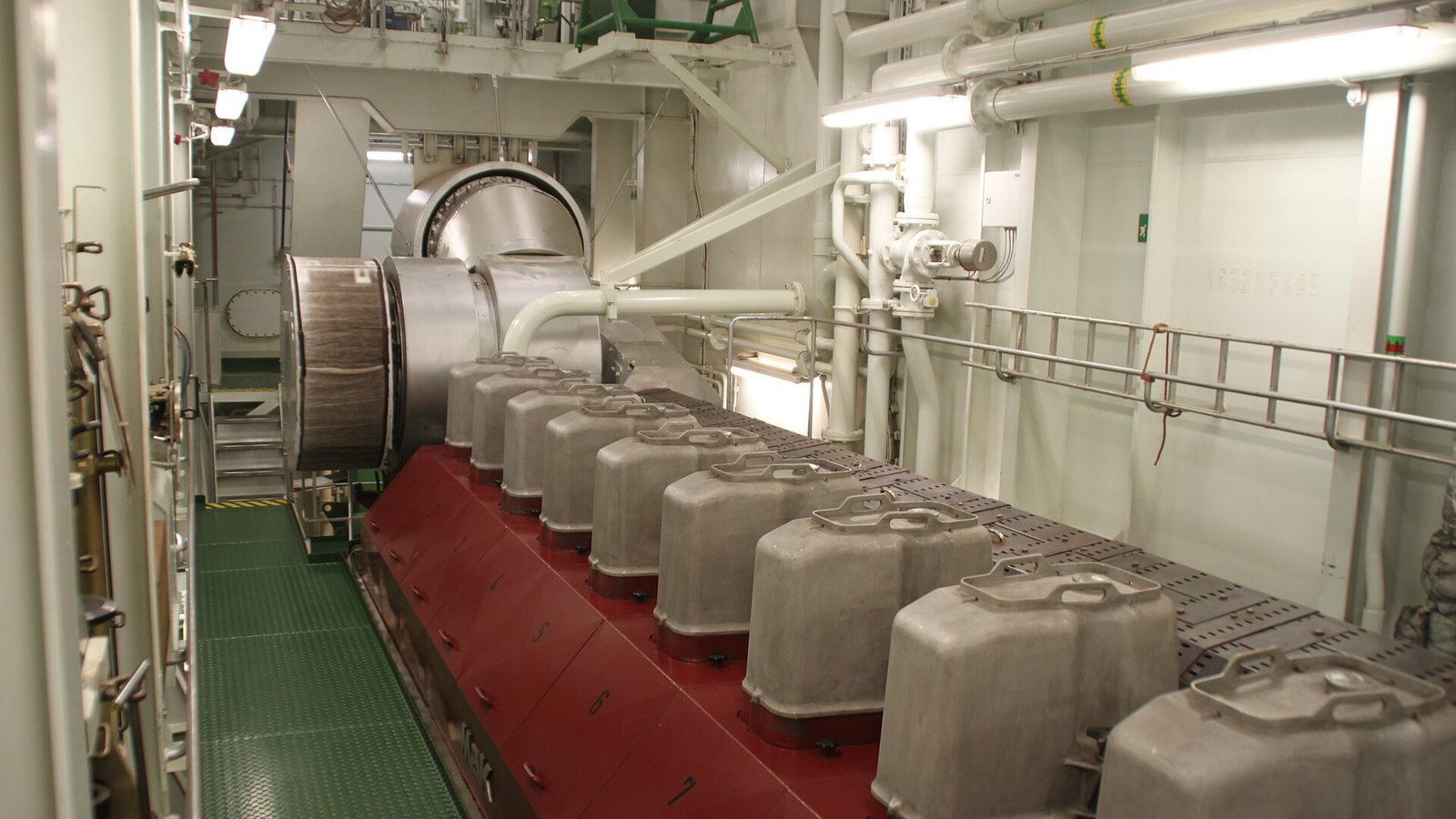
Genuine OEM parts — Best performance and longest life, direct from the engine manufacturer or authorised distributorOEM-equivalent parts — Manufactured to the same specifications by approved suppliers, often at a lower costAftermarket parts — Varies widely in quality; avoid unknown brands for critical injection componentsAt MarineLink Solutions, we supply genuine and certified OEM-equivalent injector nozzles and complete assemblies for all major brands including Wärtsilä, CAT, Cummins, MaK, and Volvo Penta.
Typical injector service intervals vary by engine type:
Medium-speed 4-stroke engines (Wärtsilä, MaK, CAT): 6,000–12,000 running hoursHigh-speed engines (Cummins, Volvo Penta, Scania): 3,000–6,000 running hoursLow-speed 2-stroke engines (Sulzer, MAN B&W): 12,000–24,000 running hoursAlways follow your specific engine manufacturer's recommendations.
Need fuel injectors for your marine engine? We maintain stock of genuine and OEM-quality injector assemblies and nozzles for all major engine brands. Contact us at sales@marinelinksolutions.com for immediate availability and fast worldwide delivery.